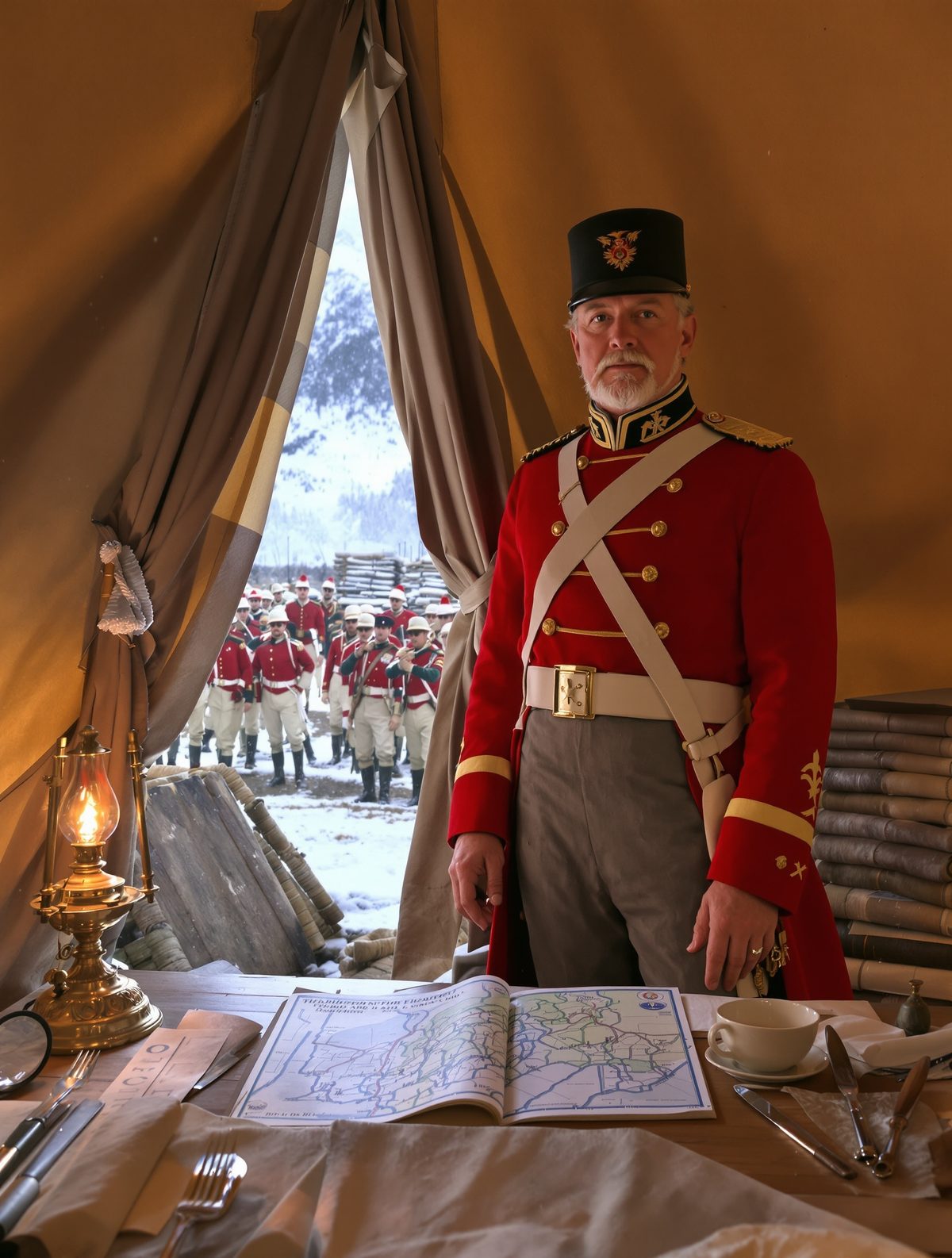
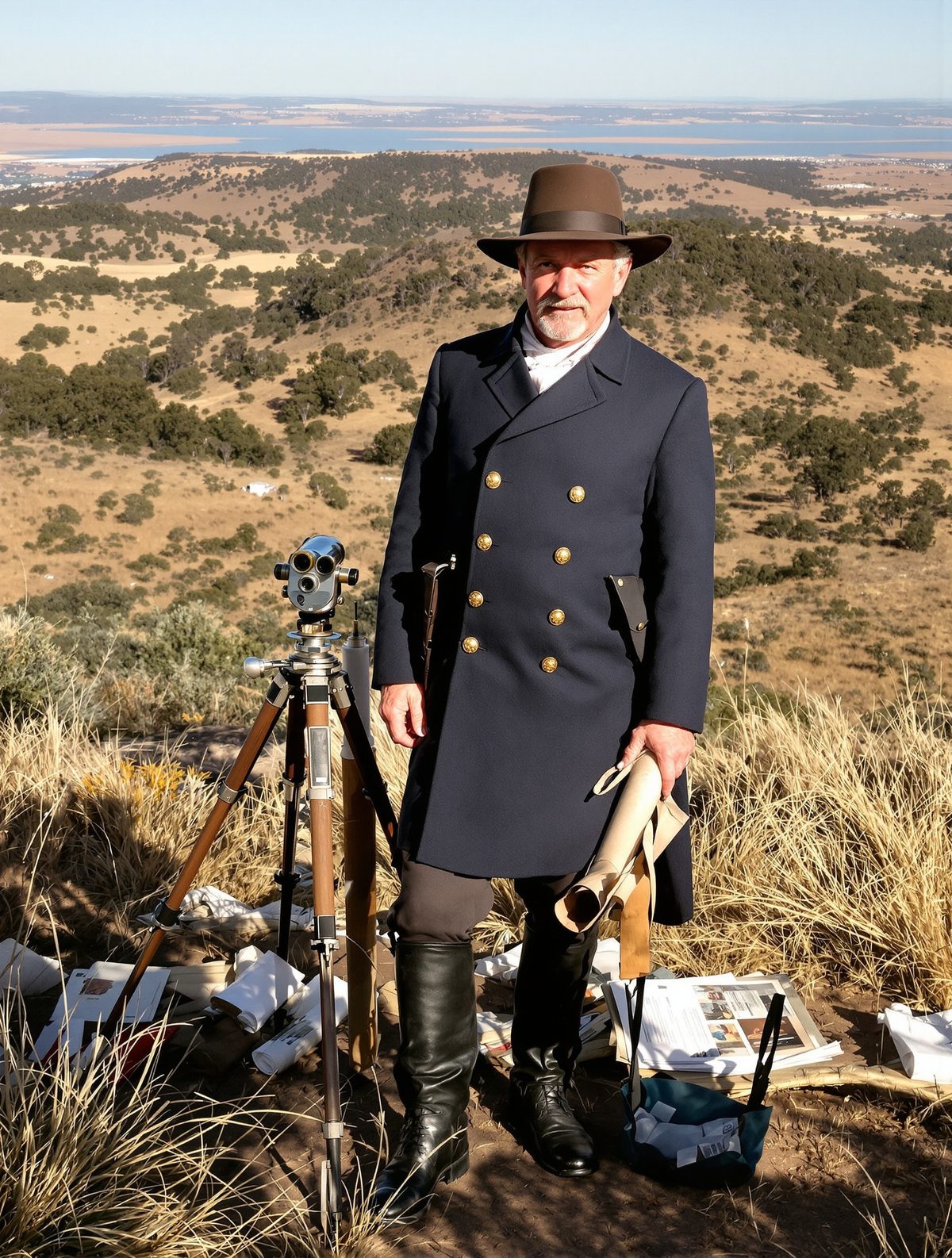
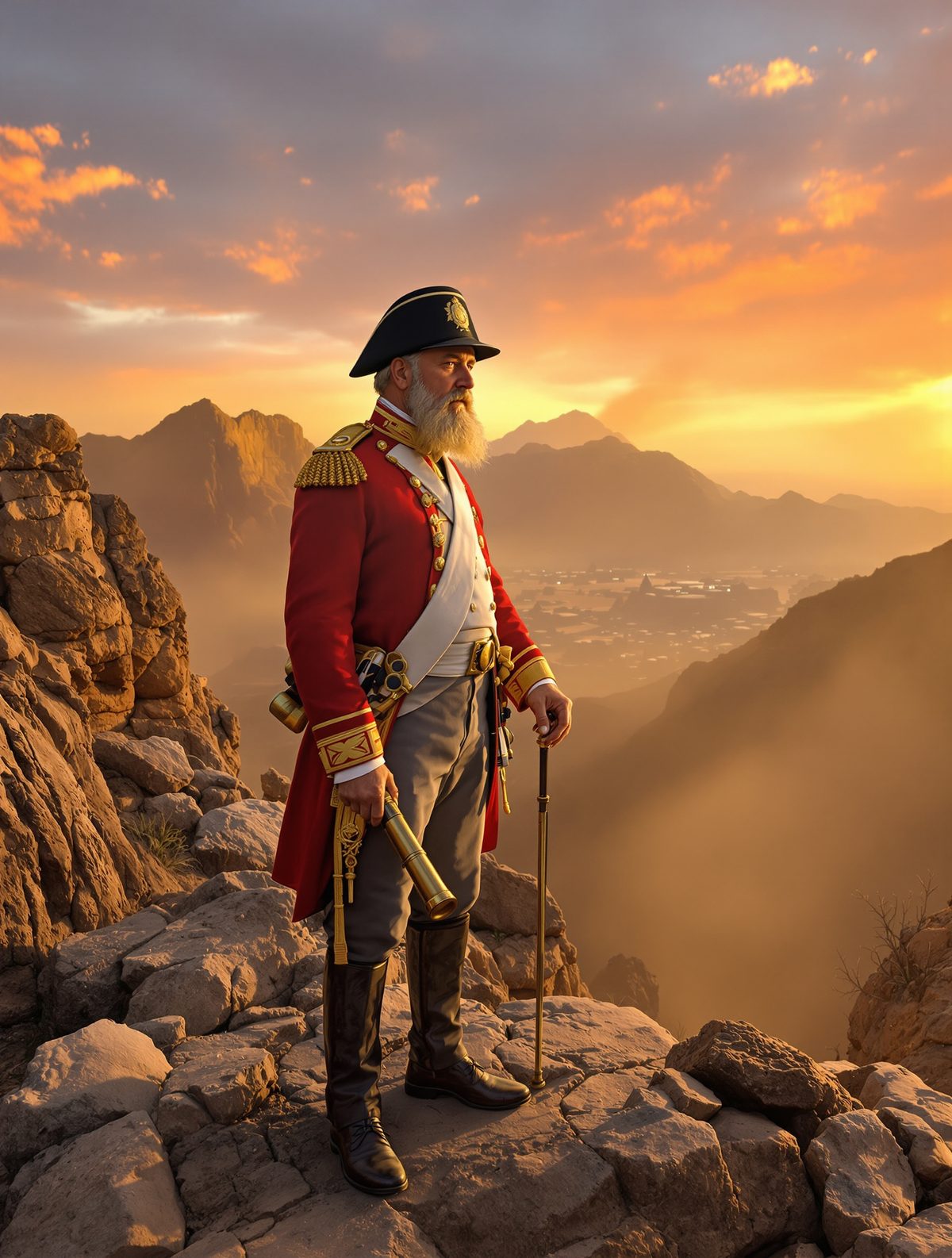
Picture this: you're standing on the deck of HMS Centurion in September 1740, watching the English coast disappear behind you. Around you, 1,900 men cheer and sing as six mighty warships cut through the waves, bound for glory and Spanish gold. Four years later, only 500 souls would return to tell the tale—and most would never speak of what they witnessed without shuddering.
Captain George Anson's circumnavigation stands as one of history's most brutal maritime disasters masquerading as a triumph. While the Royal Navy celebrated his capture of a Spanish treasure galleon worth £400,000 (roughly £60 million today), they conveniently glossed over the floating morgues his ships had become. This wasn't war—it was a slow-motion apocalypse, where an invisible enemy called scurvy proved deadlier than any Spanish cannon.
The Grand Delusion Sets Sail
When Commodore George Anson received his orders in 1740, Britain's War of Jenkins' Ear was heating up against Spain. The Admiralty's plan seemed brilliant on paper: sail around Cape Horn, terrorize Spanish settlements along South America's Pacific coast, and capture the legendary Manila galleon laden with silver. What could go wrong?
Everything, as it turned out. Anson's squadron consisted of six ships: the 60-gun flagship HMS Centurion, the 50-gun Gloucester, the 40-gun Severn, the 20-gun Pearl, the 8-gun sloop Tryal, and the supply ship Anna. The crews were a motley collection of pressed sailors, invalids from Chelsea Hospital (some literally carried aboard on stretchers), and raw recruits who'd never seen blue water.
Here's what the history books rarely mention: many of Anson's men were already dying before they reached Cape Horn. The "invalids" weren't just old soldiers—they were genuinely sick men, some suffering from what we'd now recognize as malnutrition and vitamin deficiencies. The Admiralty had essentially loaded Anson's ships with walking corpses, expecting them to fight the Spanish Empire.
Cape Horn: Where Dreams Go to Die
By March 1741, Anson's squadron approached Cape Horn, that notorious graveyard of ships at the southern tip of South America. For two months, howling westerlies and mountainous seas battered the British vessels. Sailors were swept overboard daily. Masts snapped like twigs. But the real killer was already moving through the ship's bowels like a plague.
Scurvy doesn't kill quickly—it tortures first. The disease, caused by vitamin C deficiency, begins innocuously enough. Men feel tired, their joints ache. Then comes the bleeding gums, the loosening teeth that fall out when eating ship's biscuit. Old wounds reopen spontaneously. The victim's breath becomes putrid, their legs swell, and purple blotches appear across their skin like a grotesque tattoo.
HMS Severn became the first casualty of the passage. With her crew decimated and barely enough healthy men to work the sails, she limped back toward Brazil—and was never seen again. The Pearl and Anna followed suit, abandoning the mission. By the time Anson's remaining ships cleared Cape Horn, they were already floating morgues.
The Island of the Living Dead
In June 1741, three battered ships—Centurion, Gloucester, and Tryal—limped into Juan Fernández, the Pacific island where Alexander Selkirk (inspiration for Robinson Crusoe) had been marooned decades earlier. What the survivors found was paradise. What they brought ashore was hell.
The scenes that followed would haunt witnesses for life. Men collapsed and died within sight of the fresh water that could have saved them. Sailors who hadn't walked in weeks crawled on hands and knees toward streams, only to perish yards from salvation. The island's green abundance—wild goats, fresh vegetables, clear springs—mocked the skeletal figures who could barely lift their heads to see it.
Lieutenant Philip Saumarez wrote in his journal: "It is almost incredible that men who appeared to be dying should recover so soon by the benefit of the vegetables and good air." Those who survived the first few days on shore began a miraculous transformation, but for many, it was too late. The Gloucester alone had lost over 200 men—more than half her crew.
Here's a detail that would shock modern readers: the survivors had to burn many of their dead shipmates' bodies on the beach. Traditional burial at sea was impossible with so many corpses, and the ground was too hard to dig mass graves quickly enough. The smoke from these funeral pyres hung over paradise like a reminder of mortality.
Ghost Ships and Spanish Gold
After three months recovering at Juan Fernández, Anson faced a brutal reality. The Tryal was scuttled—too few men remained to sail her. The Gloucester, once a proud 50-gun warship, limped along with barely 30 effective sailors. Yet somehow, this phantom fleet continued their mission.
What followed reads like a fever dream. Anson's ghost ships captured the Spanish town of Paita in Peru, burning it to the ground. They seized several Spanish vessels, more for their crews than cargo—Anson desperately needed men who could work the rigging. The Gloucester finally gave up the ghost near the Philippines, her remaining crew transferred to Centurion.
Then came the moment that justified everything in the Admiralty's eyes. On June 20, 1743, Anson's lone remaining warship encountered the Nuestra Señora de Covadonga, the Manila galleon carrying silver from Mexico to the Philippines. The Spanish ship carried 67 guns to Centurion's 60, but her crew was soft from peaceful crossings. Anson's skeletal survivors were hardened by suffering into something approaching the supernatural.
The battle lasted 90 minutes. When the smoke cleared, Anson had captured 1.3 million pieces of eight and 35,682 ounces of silver—the equivalent of £400,000, or roughly £60 million today. It was one of the richest prizes in naval history, won by men who should have been dead.
The Hollow Victory
HMS Centurion limped back to England in June 1744, her surviving crew gaunt and haunted. London celebrated Anson as a hero. Thirty-two wagons carried the Spanish treasure through cheering crowds to the Tower of London. Anson received a peerage, a seat in Parliament, and eventual promotion to First Lord of the Admiralty.
But the numbers tell a different story. Of 1,900 men who sailed from England, fewer than 500 returned. That's a mortality rate of nearly 75%—worse than the Black Death. Most died not from Spanish bullets but from a disease completely preventable with fresh fruit and vegetables. The Royal Navy had essentially murdered 1,400 of its own men through ignorance.
What makes this tragedy even more infuriating is that some naval surgeons already suspected citrus fruits could prevent scurvy. Dr. James Lind would prove it definitively in 1747, just three years after Anson's return. But tradition and bureaucracy moved slower than death.
The story of Anson's voyage reveals an uncomfortable truth about how we remember history. We celebrate the treasure and forget the corpses. We honor the admiral and ignore the pressed men who died in agony for want of an orange. In our eagerness to romanticize the "Age of Sail," we sanitize the reality of what maritime exploration actually cost in human terms.
Perhaps that's the real lesson of the Centurion's voyage—that behind every golden age lies a mountain of unnecessary suffering, and behind every triumph sits someone who decided that 1,400 lives were an acceptable price for glory and Spanish gold.