June 4, 1815. The morning sun crept over the hills of eastern Nepal, casting long shadows over the verdant landscape. This day would mark the beginning of an unexpected and extraordinary chapter in the history of British-Indian military alliances.
The Unlikely Allies
The conclusion of the Anglo-Nepalese War had left the British Indian forces in a somber yet reflective mood. For two grueling years, the British East India Company had clashed with the Kingdom of Gorkha, led by the resilient Gurkhas, known for their sheer valor and indomitable spirit. The rugged terrain of Nepal served as a formidable defense, but what truly tested the mettle of the British were the Gurkha warriors themselves. Despite superior numbers and technology, the British found their march halted repeatedly by these stoic soldiers armed with their distinctive curved knives, the khukuris.
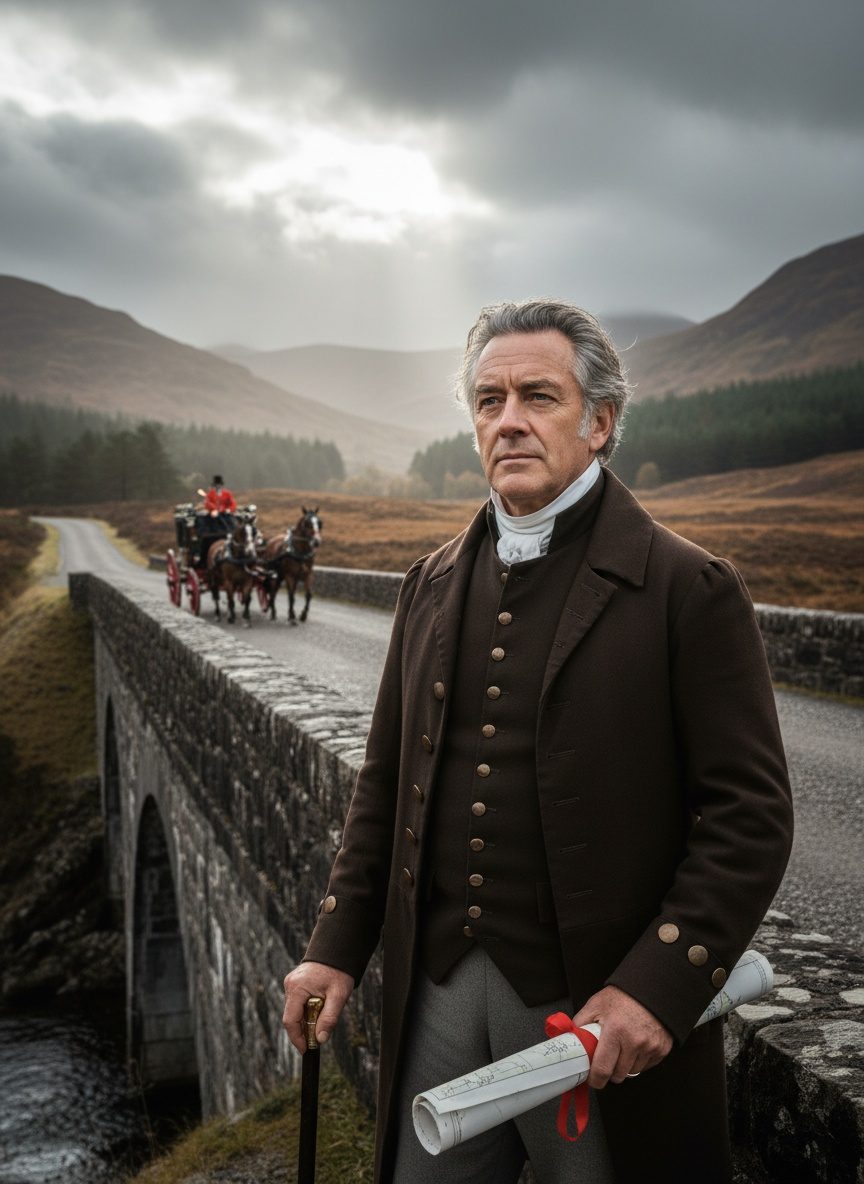
The Treaty of Sugauli in 1815 marked the formal end of hostilities, ceding parts of Nepal to the British but preserving the independence of the core of the country. In the aftermath, Major-General David Ochterlony, a veteran of the East India Company, proposed a radically unconventional idea — to recruit the valiant warriors who had nearly defeated him. The Gurkhas, despite their own losses, had made a deep impression on Ochterlony with their courage and tenacity. He believed that such qualities would serve the British Crown well.
This recruitment was not without controversy. The East India Company, wary of integrating soldiers who had so recently been adversaries, debated the merit of such a move. Yet, there were those who championed the loyalty and fierce dedication of the Gurkhas, foreseeing that soldiers of such repute could become a treasured part of the British military. It was a calculated risk, but one that promised substantial rewards if the bonds of loyalty were forged strong enough.
Forging the First Gurkha Rifles
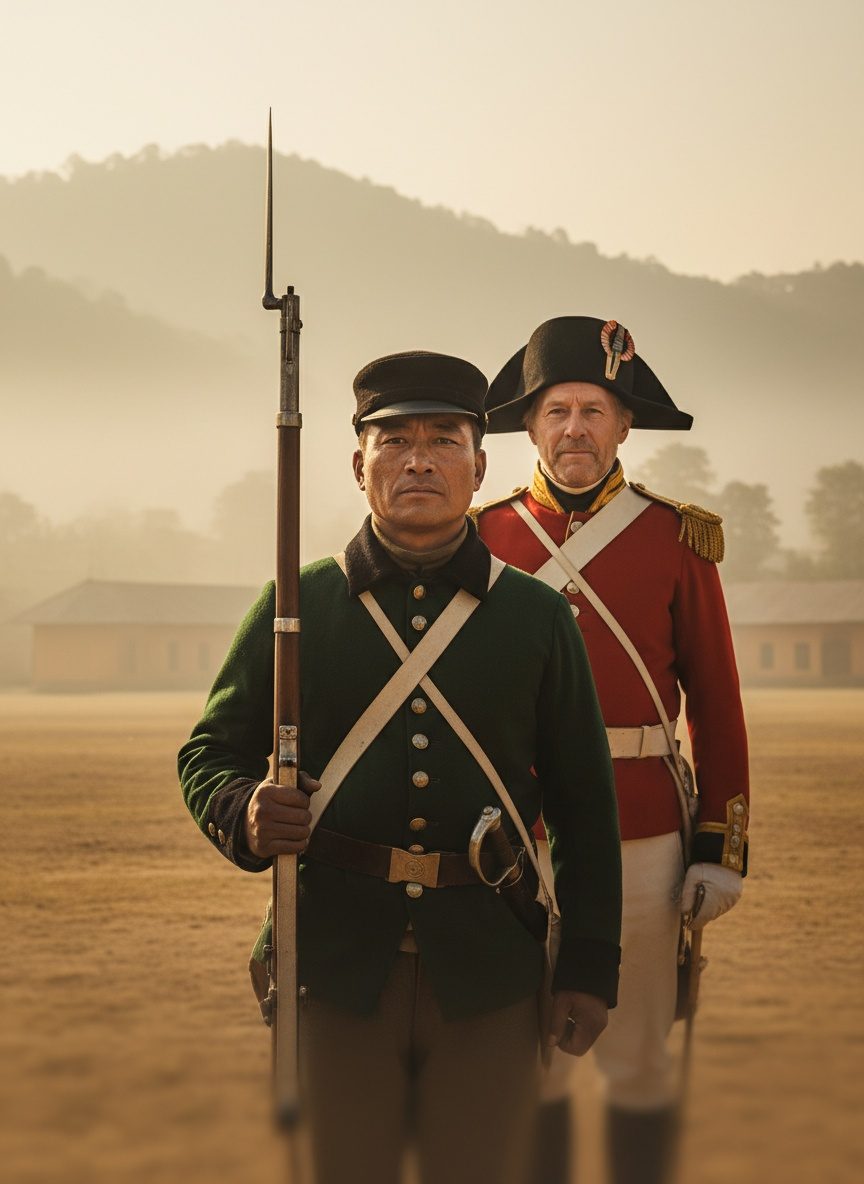
The enlistment of the Gurkhas was not just a military maneuver but a significant cultural exchange. As the first Gurkha regiments were formed in 1815, an aura of mutual respect began to envelop the relationships between British officers and Gurkha soldiers. The initial battalions, such as those raised in the eastern plains, were structured with a unique blend of British discipline and Gurkha traditions. This synthesis proved to be a potent mix.
The Gurkhas adopted the British rifle but retained their beloved khukuris, standing as a symbol of their heritage and martial prowess. Training drills echoed through the camp as British and Gurkha soldiers learned from each other, sharing tactics and forging camaraderie that transcended their recent adversarial past. The British admired the agility and tenacity of their new allies, while the Gurkhas found respect in the strategic prowess and organizational strength of the British forces.
For the Gurkhas, joining the British ranks was not merely about receiving pay or guarantees of land. It was about earning honor beyond their borders and continuing a warrior tradition that now extended under the aegis of the British Crown. They could now count themselves as part of a vast empire and would soon cement their place in its history through dedication and their legendary courage in battles across continents.
The Brotherhood of War
The formation of the Gurkha regiments heralded a new era in military history — one that highlighted the power of collaboration across cultures. Over the decades, Gurkha soldiers would serve with distinction in theaters of war from the grueling trenches of World War I to the scorching deserts of North Africa in World War II. Renowned for their loyalty, bravery, and resilience, they rapidly earned a reputation that ensured their continued respect and reliance by the British armed forces.
It was during these campaigns that stories of Gurkha valor spread far and wide, cementing their legend. Unyielding in the face of adversity, they became synonymous with an unbreakable bond between warriors who once faced each other as foes. Their battle cry, "Ayo Gorkhali!" — *The Gorkhas are Coming!* — would echo across many a battlefield, striking respect into the hearts of allies and fear into the hearts of enemies.
Even today, the legacy of that bold move in 1815 remains palpable. While the British Empire has faded, the friendship with the Gurkhas endures, with these storied regiments still part of the British Army. This alliance — born out of mutual respect forged in the heat of battle — reshaped military alliances for generations to come. In a world often defined by conquest and conflict, the decision to extend an olive branch and recruit one’s erstwhile enemy into one’s own ranks stands as a profound testament to the power of trust and shared values. This story serves as a reminder that even in war, the seeds of enduring friendship can be sown on the battlefield, transforming enemies into brothers-in-arms.