He was a coal miner's son from Yorkshire. By the time the summer of 1940 began, he was a Spitfire ace.
A Humble Beginning in Service
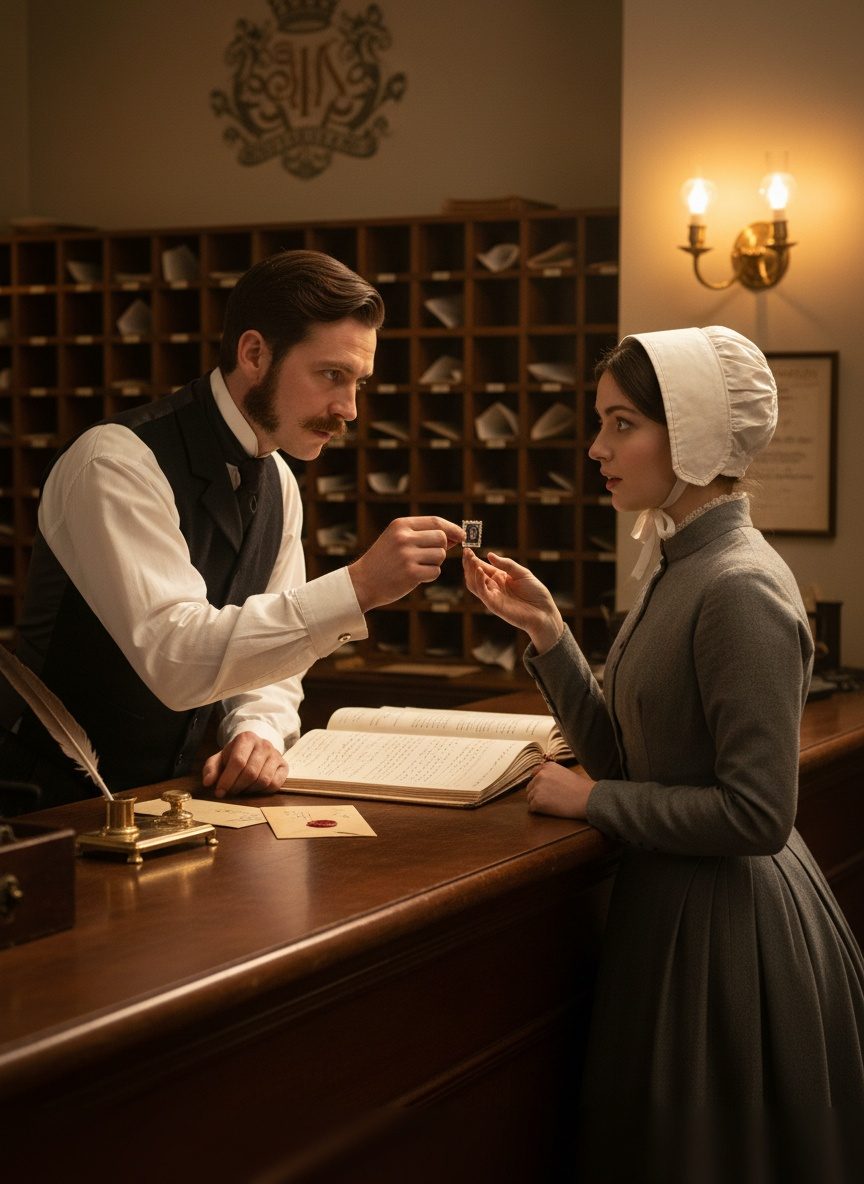
George Unwin’s journey to becoming a celebrated pilot of the Royal Air Force (RAF) is marked by unlikely origins and unexpected turns. In 1929, at the tender age of seventeen, he walked into the world of aviation—not as a cadet aspiring to touch the sky, but as a clerk grounded in paperwork. Born in a Yorkshire pit town, Unwin was tethered to the tradition of coal mining, yet his aspirations were buoyant with possibilities beyond the soot and seams. He shuffled through documents, recording other men’s flights and endeavors, while his own possibility of soaring in the cockpit remained distant. His entry into the RAF was a quiet one, lacking the grand connections or polished accents that often smoothed the path to the skies.
Through diligently climbed ranks, George observed pilots' pursuits with keen eyes and yearning spirit. He embodied the determination that is often brewed in the belly of humble beginnings. Much like the steadfast miners in his hometown, Unwin's grit was undeterred by his start at the bureaucracy's desk, echoing the enduring spirit that often only hardship can craft. It was this very spirit that set the trajectory of an otherwise improbable rise.
Taking Flight Against Odds
George Unwin’s journey from the office to the cockpit was neither straightforward nor assured. Opportunity knocked quietly. As the 1930s unfolded with Europe wearied by economic ruin and political tremors, the RAF sought clerical staff to transmute into pilots, and Unwin seized the chance. His training commenced, not merely a craft to master but a new identity to claim. With each lesson, his confidence bloomed alongside his skills.
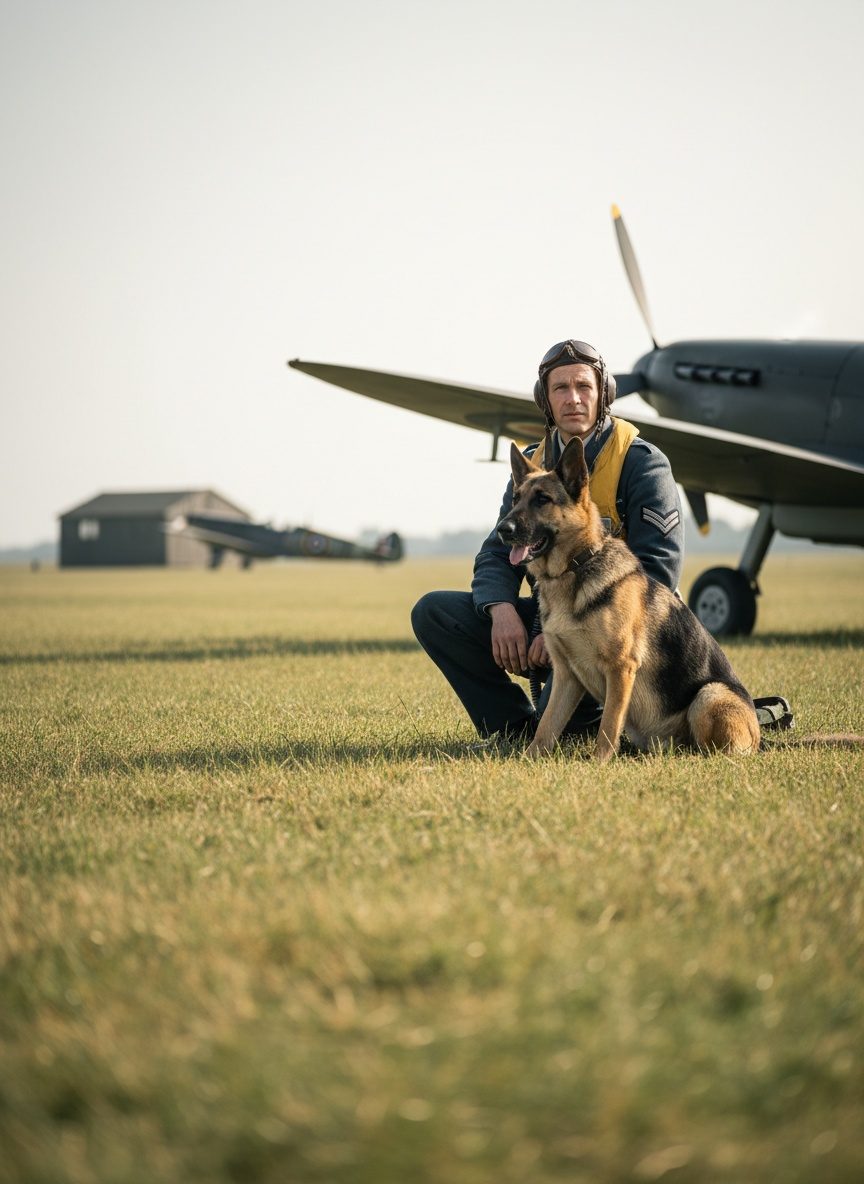
Unwin had no affluent sponsors nor a pedigree of family aviators to vouch for his talent. He had the coal dust of Yorkshire and a German Shepherd tethered faithfully by the landing strips. Yet perhaps it was this very absence of entitlement that fueled his dogged determination to excel. He learned to outmaneuver the limited expectations set by his rank, immersing himself in the rigorous demand of flight school. In months that merged into memory, Unwin transformed from the hands in pages to hands on the yoke. Thus, the miner’s son dared to dream and delivered upon those dreams with each mounting flight hour.
Amidst the Fury of Battle
As the summer of 1940 unfurled its wings, the demands on British air superiority reached fever pitch with the dawn of the Battle of Britain. Unwin found himself amidst this storm. His debut against the Luftwaffe was a baptism of fire, as Britain's fate hung in the balance with each dogfight above London's beleaguered skies. The Spitfires roared—a symphony of defiance and defense—and Unwin was no small player in this aerial battalion.
Circling the skies in his Spitfire, Unwin faced the German Luftwaffe with steadfast bravery and relentless vigor. His innate understanding of the aircraft became an extension of self, a testament to training honed sharper by each skirmish. With his faithful German Shepherd awaiting on the grass, the tranquility of those moments on the ground threw the cacophony of air warfare into sharper contrast. Here was a son of the coalfields maneuvering masterfully in the heavens over England.
During the Battle of Britain, George Unwin's talents became immensely clear, as his skills and strategies emerged as a formidable match against ranks of the enemy. In this theater of war, he was not merely staying afloat amidst chaos; he was excelling, becoming one of the deadliest pilots the RAF could count among its own.
The Silent Guardian
As the war waged on, George Unwin safeguarded the skies with the quiet dignity of those who do not need to boast of triumph. His reputation among peers was that of a man not only committed to mastery of flight but to the honor of protection—defending the very land that had once given him his roots.
His journey resonated deeply with those who understood the trials of starting at the bottom. His story was not celebrated with thunderous applause in history; his narrative was eclipsed often by those with louder beginnings and endings. However, Unwin's contributions were indelible, and his rise was a testament to toil meeting talent.
His post-war contributions, though perhaps shrouded by those recognized more widely, resonated with all who followed his legacy. The men whom he accompanied into battle remembered him not just for his aerial prowess but for his unwavering resolve—an emblem of persistence against odds.
Legacy Carved in Clouds
In revisiting George Unwin’s story, one unearths a motif of understated heroism. His life reflected the chorus of those who persevered with quiet might, undeterred by the lack of privilege afforded to their origins. Not every hero’s tale is etched boldly into history's surface, but the impact of their presence endures powerfully beneath.
George Unwin’s path from the coal pits to the conduits of air supremacy is not merely history; it is a narrative that echoes universal truths of grit and possibility. It serves as a reminder of the untold tales that silently fortify the grand narratives of our textbooks—a miner's son who took to the skies and left behind a legend unscribed by words, but written boldly in the annals of the air.