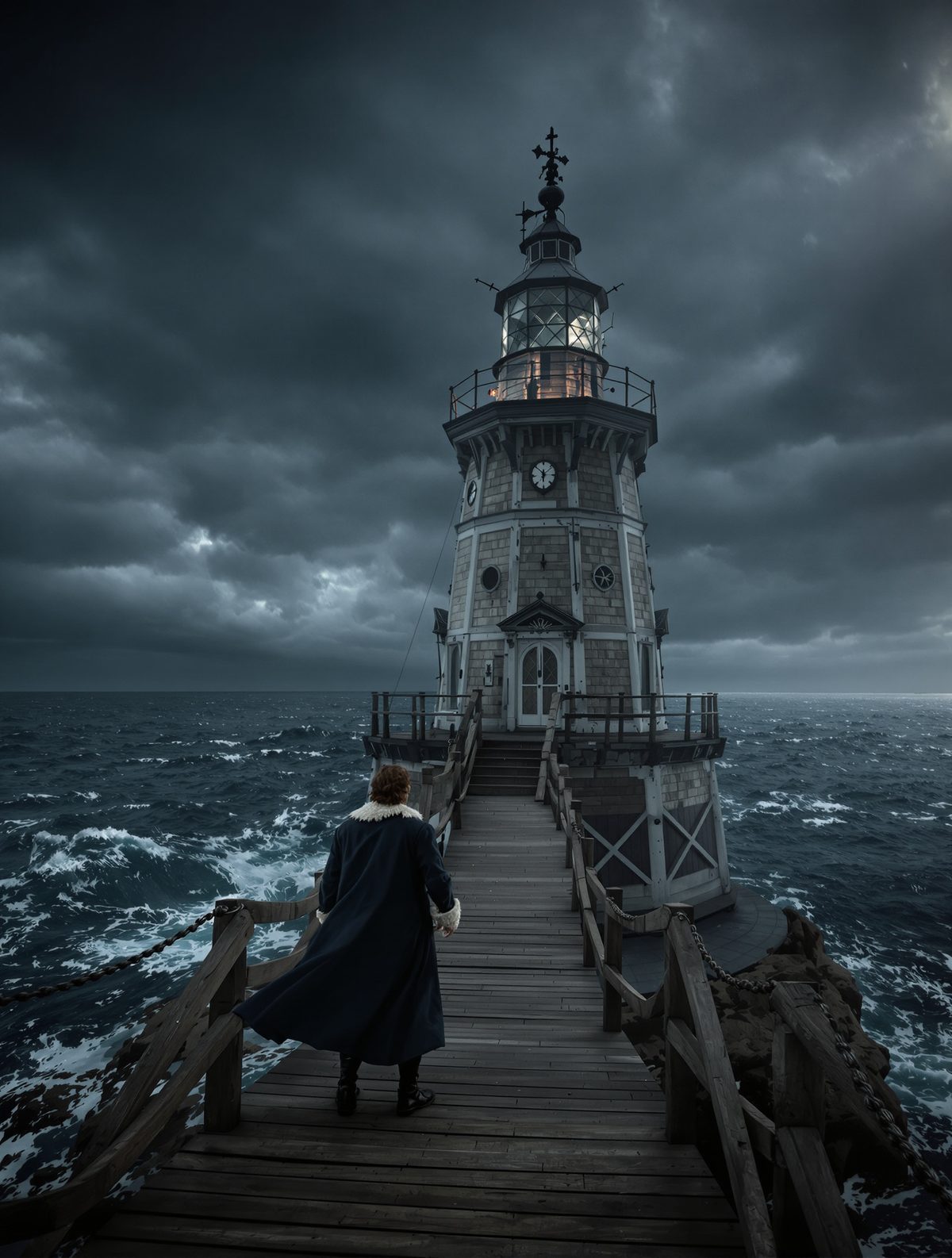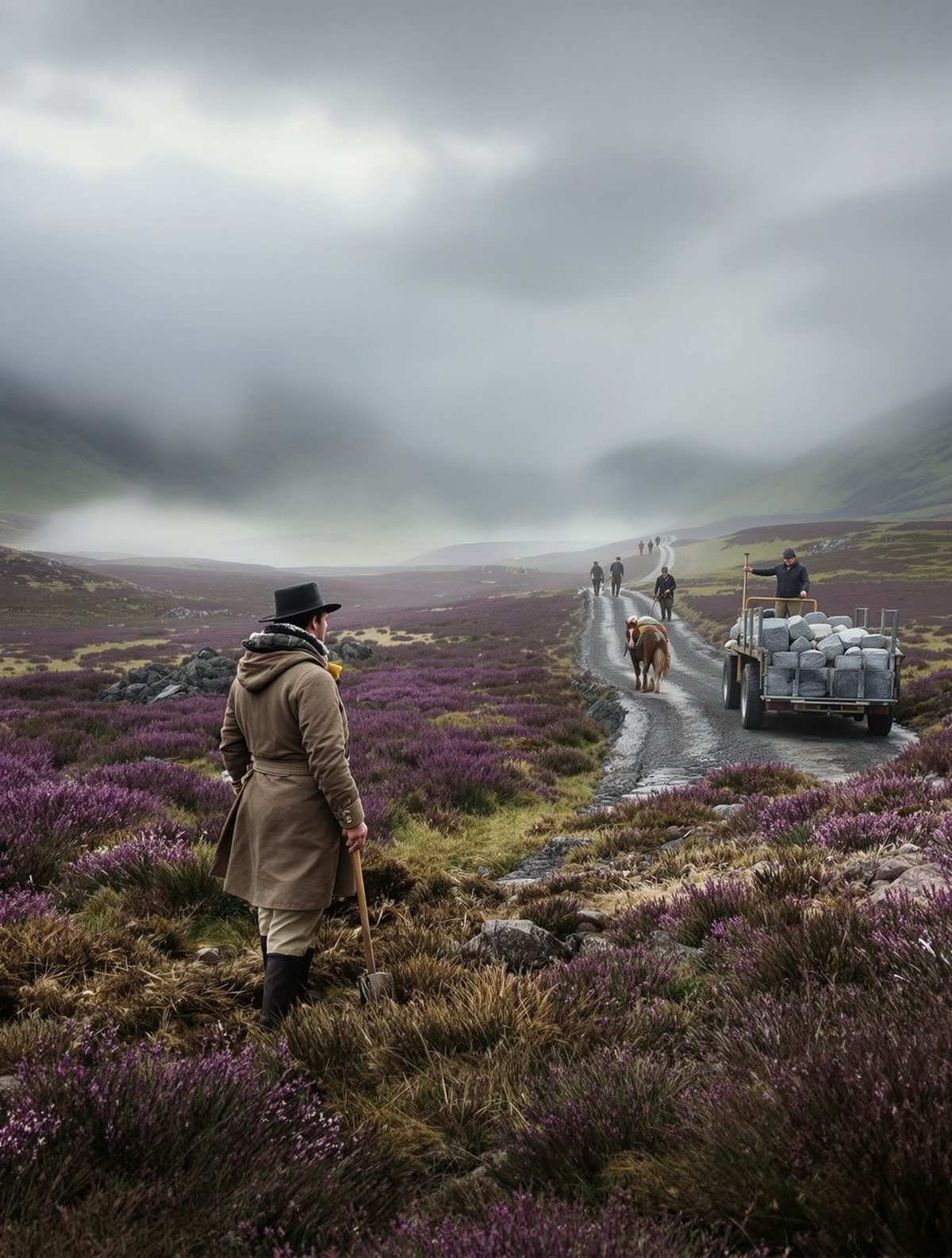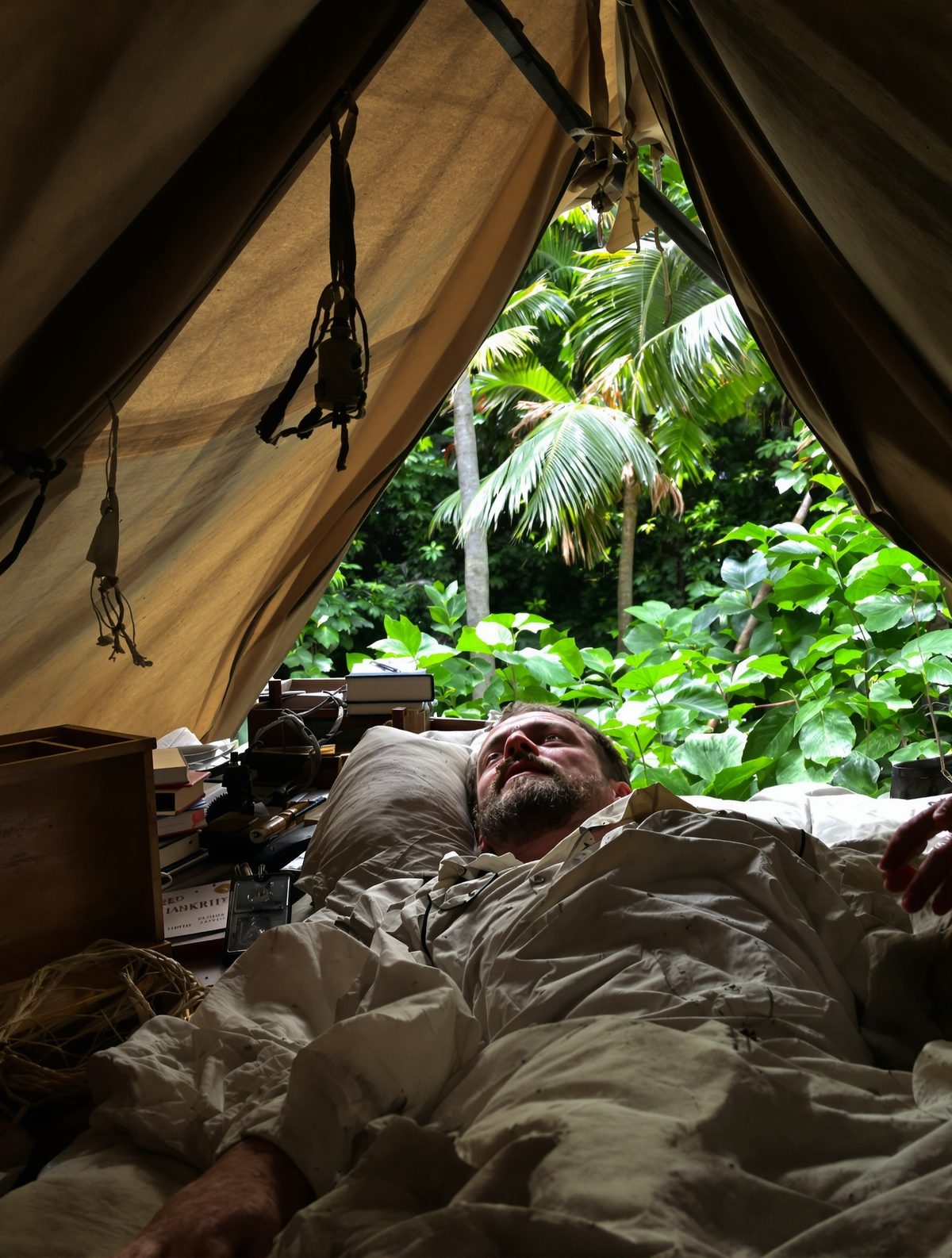
Picture this: the future King of England, heir to the throne that once commanded respect across Europe, is clinging to the branches of an oak tree like a common fugitive. His clothes are torn, his face is streaked with dirt, and below him, Cromwell's soldiers are methodically searching every barn, every cottage, every hiding place they can find. The reward for his capture? A staggering £1,000 – enough to buy a grand estate. The date is September 6th, 1651, and twenty-one-year-old Charles Stuart is about to spend the most terrifying day of his life wedged between oak branches, watching his enemies hunt for him like a pack of bloodhounds.
This isn't the sanitized version of royal history you learned in school. This is the story of how the future Charles II – the man who would restore the monarchy and transform England – spent an entire day as a wanted criminal, his life hanging by the strength of an ancient oak tree that would become the most famous tree in English history.
The Prince Who Lost Everything
Just five days earlier, Charles had been leading the last Royalist army in a desperate bid to reclaim his father's throne. The Battle of Worcester on September 3rd, 1651, was supposed to be his moment of triumph – instead, it became his greatest disaster. Cromwell's New Model Army, battle-hardened and ruthlessly efficient, tore through the Royalist forces like a scythe through wheat.
The statistics tell a brutal story: of Charles's army of roughly 16,000 men, over 3,000 lay dead on Worcester's fields by nightfall. Another 10,000 were taken prisoner. Charles himself barely escaped the slaughter, fleeing the city as Cromwell's soldiers poured through the streets, hunting for the young man they called "the son of the tyrant."
What followed was a chase that would make any Hollywood thriller seem tame. Charles, accompanied by just a handful of loyal companions, began a desperate journey south toward the coast, hoping to find a ship that could carry him to safety in France. But Cromwell had anticipated this move. Within hours of Worcester's fall, parliamentary soldiers were flooding the countryside, setting up roadblocks, searching houses, and interrogating anyone who looked remotely suspicious.
The manhunt was unprecedented in its scope and intensity. Every port was watched, every known Royalist sympathizer was under surveillance, and a network of informants spread across the land like a spider's web. For the young prince who had grown up in palaces, this was a crash course in survival that no royal education could have prepared him for.
Sanctuary in the Shadows
Charles's salvation came from an unexpected source: the Penderel brothers, a family of humble woodcutters whose Catholic faith made them natural enemies of Cromwell's Puritan regime. When Charles stumbled into their territory near the Staffordshire village of Boscobel, exhausted and desperate, they didn't hesitate to help – even though harboring the fugitive prince meant certain death if they were caught.
The Penderels quickly realized that Charles's aristocratic appearance made him a walking target. His soft hands had never known manual labor, his posture screamed noble breeding, and his speech patterns marked him as unmistakably upper-class. Their solution was as practical as it was humiliating for a prince: they chopped off his flowing dark hair with a pair of rusty shears, rubbed his hands and face with dirt and charcoal, and dressed him in the rough woolen clothes of a country laborer.
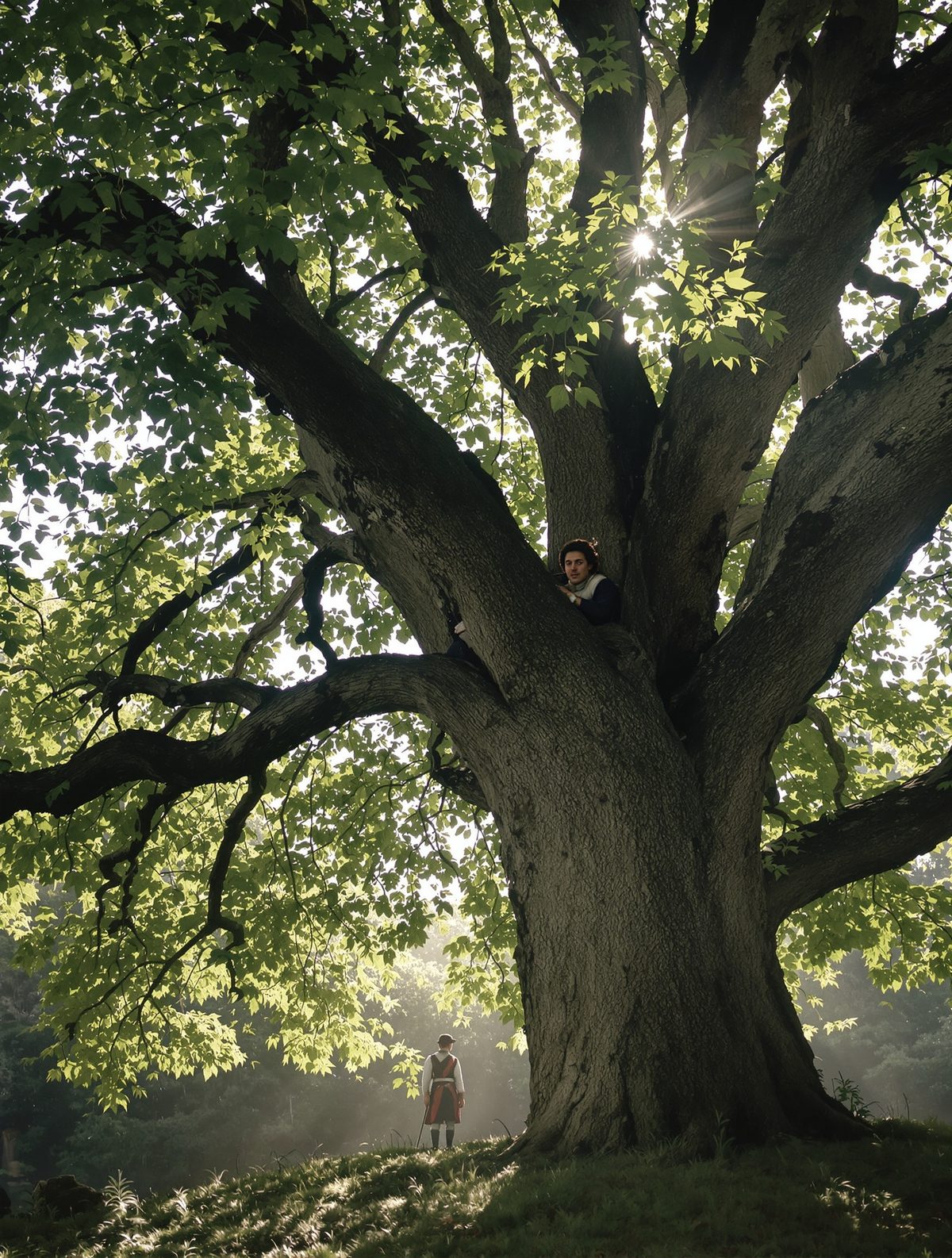
But even this disguise couldn't hide Charles completely. On the night of September 5th, as parliamentary soldiers began searching the area house by house, the Penderels made a desperate decision. They led Charles to a massive oak tree in the woods near Boscobel House, its ancient branches spreading wide enough to create a natural hiding place in its crown.
Here's a detail that most history books miss: Charles wasn't alone in that tree. A Royalist officer named William Careless (whose surname proved remarkably prophetic) climbed up with him, partly to provide protection and partly to prevent Charles from falling if he dozed off from exhaustion. The two men squeezed into the fork of the great tree's branches, pulling loose foliage around them like a makeshift tent.
A Crown Prince in the Canopy
What happened next reads like something from a spy novel, except the stakes couldn't have been higher. As dawn broke on September 6th, Charles could hear voices in the distance – the unmistakable sounds of soldiers beginning their search. Parliamentary troops had surrounded the area during the night, and now they were closing in methodically, checking every possible hiding place.
From his perch roughly twenty feet above the ground, Charles watched through the leaves as soldiers passed directly beneath him. The irony was almost unbearable: here was the rightful King of England, literally looking down on his enemies, unable to do anything but pray they wouldn't think to look up. The oak's thick summer foliage provided excellent cover, but one unlucky shift, one breaking branch, one moment of carelessness, and the game would be over.
The psychological torture was as intense as the physical discomfort. Charles later recalled hearing the soldiers talking about him, discussing what they'd do with the reward money when they captured "the young tyrant." Some boasted about what kind of death would be fitting for the son of the man they blamed for years of civil war. Others speculated about where he might be hiding, their voices carrying clearly through the still morning air to the branches above.
But perhaps the most nerve-wracking moment came when a group of soldiers decided to rest directly under the oak tree. They literally sat in its shade, eating their rations and discussing the search, while the future King of England held his breath twenty feet above their heads. Charles later said that he could see the tops of their heads through gaps in the leaves, so close that he could have dropped an acorn onto them.
The Longest Day
Hour after hour, Charles remained motionless in his wooden sanctuary. The September sun climbed higher, making the tree's canopy stifling hot and attracting swarms of insects that he couldn't swat away without risking discovery. His muscles cramped from maintaining the same position for hours, but any movement might shake the branches and give away his location.
The search intensified throughout the day. Soldiers ransacked Boscobel House, questioned the servants, and even brought in tracker dogs to try to pick up Charles's scent. From his aerial vantage point, the prince watched his enemies move through the landscape like pieces on a chess board, methodically checking off every possible hiding place on their mental list.
What Charles couldn't have known was that several of the local people being questioned were secretly working to protect him. The Penderel brothers had spread word through their network of Catholic families, creating false trails and misdirecting the searchers whenever possible. When soldiers asked if they'd seen any suspicious strangers, helpful villagers pointed them toward distant villages or claimed to have seen someone matching Charles's description heading in completely the wrong direction.
As the afternoon wore on, Charles began to experience something no member of the royal family had ever endured: he was witnessing firsthand how ordinary people lived under Cromwell's rule. From his treetop perch, he watched soldiers burst into cottages without warning, saw families cowering as their meager possessions were searched, and observed the casual brutality with which parliamentary troops treated anyone they suspected of Royalist sympathies.
When Darkness Finally Fell
Only when the last light faded from the September sky did Charles dare to climb down from his oak tree sanctuary. His legs were so stiff from the day-long ordeal that he nearly fell, and William Careless had to help him navigate the descent in the darkness. They had spent almost twelve hours in the branches – twelve hours that had felt like twelve years.
The Penderel brothers were waiting with food and water, but there was no time for extended relief. The soldiers had withdrawn for the night, but they would be back at dawn, and the search net was tightening. Charles's tree-climbing adventure had bought him precious time, but he was still trapped in enemy territory with hundreds of troops hunting for him.
What followed was six more weeks of narrow escapes, disguises, and close calls as Charles made his way slowly toward the coast. He worked as a servant, hid in priest holes, and even posed as the groom to a young woman who was secretly helping him escape. The journey took him through some of England's most dangerous territory, always just one step ahead of capture.
The story doesn't end with the oak tree, but that single day changed everything. When Charles finally reached France in October 1651, he carried with him not just his life, but a profound understanding of his future subjects that no classroom education could have provided. He had seen courage in humble woodcutters, loyalty in ordinary families, and the real cost of political extremism on common people.
The King in the Tree: Why This Story Still Matters
When Charles II finally regained his throne in 1660, he was a very different king than he might have been without his years in exile. His experience as a fugitive – particularly that day in the oak tree – had taught him lessons about power, loyalty, and the importance of knowing when to bend rather than break. Unlike his father, who had been rigidly authoritarian, Charles II proved remarkably flexible and pragmatic, earning the nickname "the Merry Monarch" for his ability to navigate political challenges with humor and compromise rather than confrontation.
The Royal Oak, as the tree came to be known, became one of the most celebrated trees in English history. Oak leaves and acorns became symbols of the restored monarchy, appearing on coins, royal crests, and pub signs across the nation. May 29th – Charles's birthday and the date of his restoration – was declared Royal Oak Day, when people wore oak leaves to commemorate the tree that saved the crown.
But perhaps the most important legacy of that day in September 1651 was what it revealed about the nature of power and survival. Here was a young man who had been raised to believe in the divine right of kings, suddenly dependent on the kindness of strangers and the strength of an ancient tree. The experience humbled him in ways that would make him a more effective ruler and taught him that sometimes the most powerful thing a leader can do is know when to hide, wait, and live to fight another day.
In our own era of political upheaval and rapid change, Charles's oak tree offers a timeless lesson: survival often depends not on standing firm against overwhelming odds, but on finding creative ways to weather the storm. Sometimes the mightiest oak survives not by resisting the wind, but by bending with it – a lesson that applied as much to the king in its branches as to the tree itself.