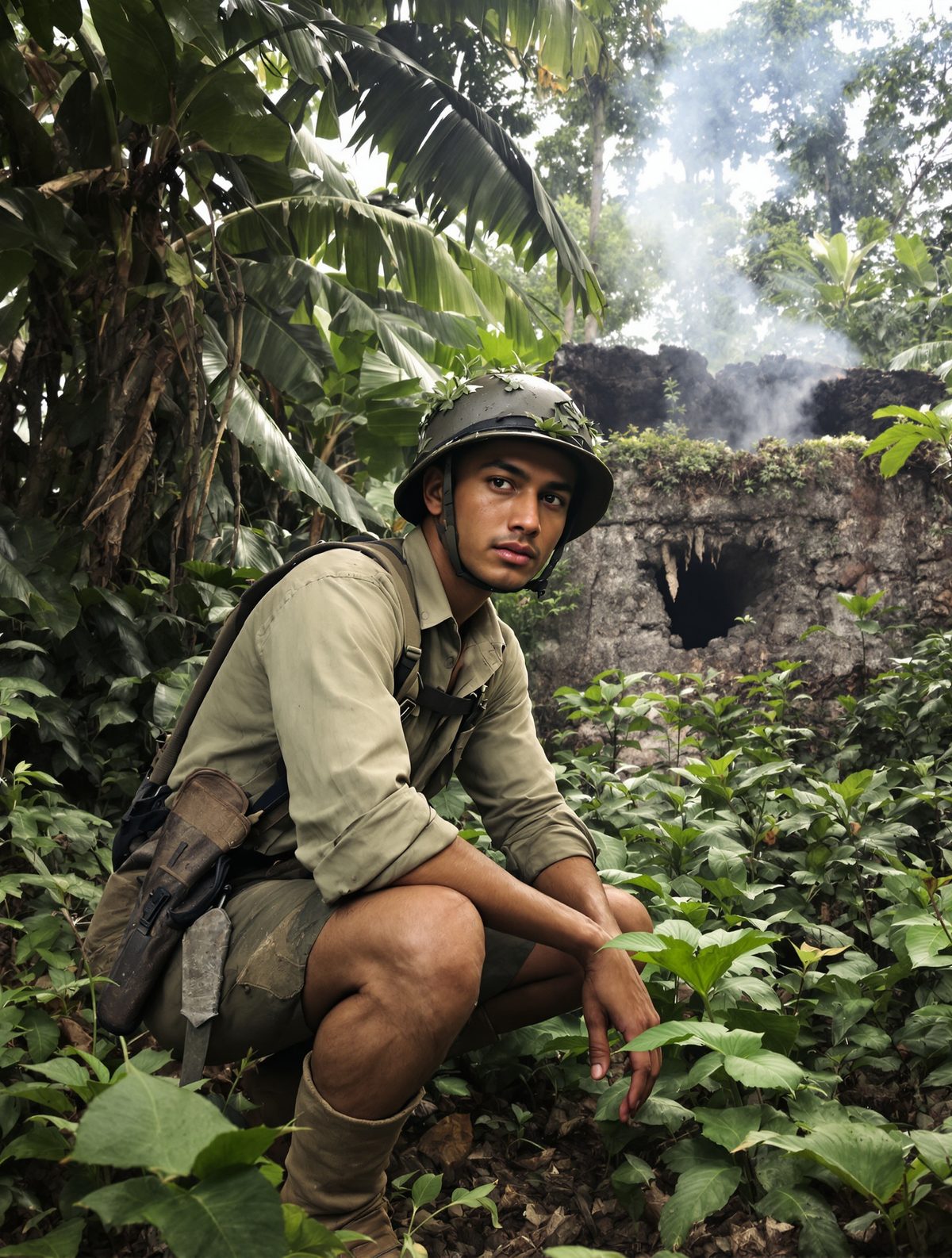
Picture this: a steamy July day in 1876. A small vessel skulks inconspicuously through the lush riverine landscape of the Amazon, laden with a cargo so precious and potentially transformative that it could redraw the economic map of the world. This isn't a tale spun from imagination; it was very much real. As porters hauled crates filled with unassuming-looking seeds, little did they know they were ferrying the genesis of a revolution. The man behind this audacious endeavor was a British botanist, Henry Alexander Wickham. His mission? To spirit away seeds that would ultimately sow the foundations for the modern rubber industry.
The Plant Hunter Extraordinaire
Henry Wickham was a man on a mission. Born in 1846, Wickham was a restless soul, an adventurer with a keen eye for opportunity. By his thirties, Wickham had already traversed the dense forests of the Amazon and pored over the economic potentials trapped within its verdant ranks. Rubber, extracted from the Hevea brasiliensis, was the treasure chest he sought to unleash upon the globe. Though tireless, Wickham operated under the shadow of the law. Rubber seeds were jealously guarded by Brazil due to their economic importance — only a daring botanist could dream of circumventing such barriers.
It was an era when science, commerce, and imperial ambition braided a complex tapestry, and in this tapestry, Wickham saw his threads. As the industrial revolution roared, the insatiable demand for rubber propelled him to action. He knew the seeds were potent with promise, but equally aware they were tightly controlled by Brazilian authorities. By 1876, he'd meticulously hatched his plan, one that would see his name etched into the annals of history.
The Great Escape
Wickham's audacious seed-snatching scheme unfolded with a flair worthy of any espionage thriller. With his vessel, the Amazonica, Wickham embarked on the seemingly impossible task of exporting thousands of rubber seeds without attracting suspicion. Crate after crate was packed with precisely 70,000 seeds, under the guise of "botanical specimens for research." They were wrapped lovingly, protected as if they cradled the future, because indeed, they did.
Secrecy clung to their journey like the Amazon's mist. The seeds’ fate hung in balance as they passed Brazilian customs, entirely ignorant of the precious stowaways lounging in their midst. That Wickham succeeded in smuggling them out — by any standard, a remarkable feat — is one of those historical stories steeped in intrigue that never quite makes it to standard textbooks.
The Arrival at Kew Gardens
The seeds’ intercontinental odyssey ended at Kew Gardens, southwest London, emerging as specimens of national interest. Kew, already a venerable institution, was the epicenter of botanic discovery under the directorate of Joseph Dalton Hooker, a confidant of Charles Darwin. Upon arrival, the seeds were ensconced in the immense warmth of the glasshouses, nourished into the saplings that would change the world.
By 1877, 2,397 seedling rubber trees started their own journey into the sun-dappled plantations of British colonial territories like Malaya and Ceylon. Their migration was a testament to the Victorian passion for plant hunts that transcended mere academic curiosity, tangling with imperial interests and the booming industrial economy. This was a turning point that forged a new narrative in global agriculture.
The New Rubber Empire
The rubber trees’ transplantation to Southeast Asia marked the dawn of a new economic era. These propagated trees would soon cover vast plantations, weaving an intricate lacework through the valleys of Malaya and the tropical expanses of Ceylon. By the turn of the 20th century, Southeast Asia had become the heartland of rubber production, fueled by Henry Wickham’s clandestine collection.
A single spark of botanical piracy had kindled what would grow into economic infernos — global industries driven by the versatile material that underpinned everything from motor carriages to telecommunication cables. The plantation economy transformed landscapes and lifestyles alike, engendering prosperity while also sowing the seeds of another complexity — colonial exploitation.
The Legacy That Blooms On
Henry Wickham, a man initially cast in obscurity, left a legacy both iconic and contentious. While Wickham’s clandestine mission to export rubber seeds is often celebrated as an ingenious piece of industrial foresight, it opened moral debates about bio-piracy and the ethics of resource appropriation under colonial banners. Wickham himself personifies both brilliance and the shadow cast by it.
Today, rubber's ubiquitous presence in the modern world — from infrastructure and medicine to technology — is a testament to the success of Wickham’s daring endeavor. The underpinning question for our age is the same as it was then: how do we balance discovery and ethics? As we continue to tread paths that intertwine natural resources with human ingenuity, Wickham’s story remains a poignant reminder of the intricate dance between natural capital and cultural enterprise.
The tiny seeds that slipped silently past Brazilian customs have transcended their origin to feed the modern world — a story of audacious smuggling that reshaped global economies, leaving imprints not just in the soil of southeast Asia but in the fabric of human progress itself.