In the suffocating heat of the Burmese jungle, mere miles above the river Irrawaddy, an unimaginable act of valor unfolded. The year was 1945, and the relentless machinery of World War II was sputtering towards its end. Yet, in this pocket of the world, a battle like no other was taking place on the morning of March 5th. Armed with nothing but extraordinary courage, a kukri, and a handful of rifle grenades, a young Gurkha rifleman named Bhanbhagta Gurung carved his name into the annals of history. What transpired that day seemed like the stuff of legends—they are the tales any textbook might gloss over but never truly encapsulate. Welcome to the world of Rifleman Bhanbhagta Gurung.
The Jungle Warfare: A Poignant Prelude
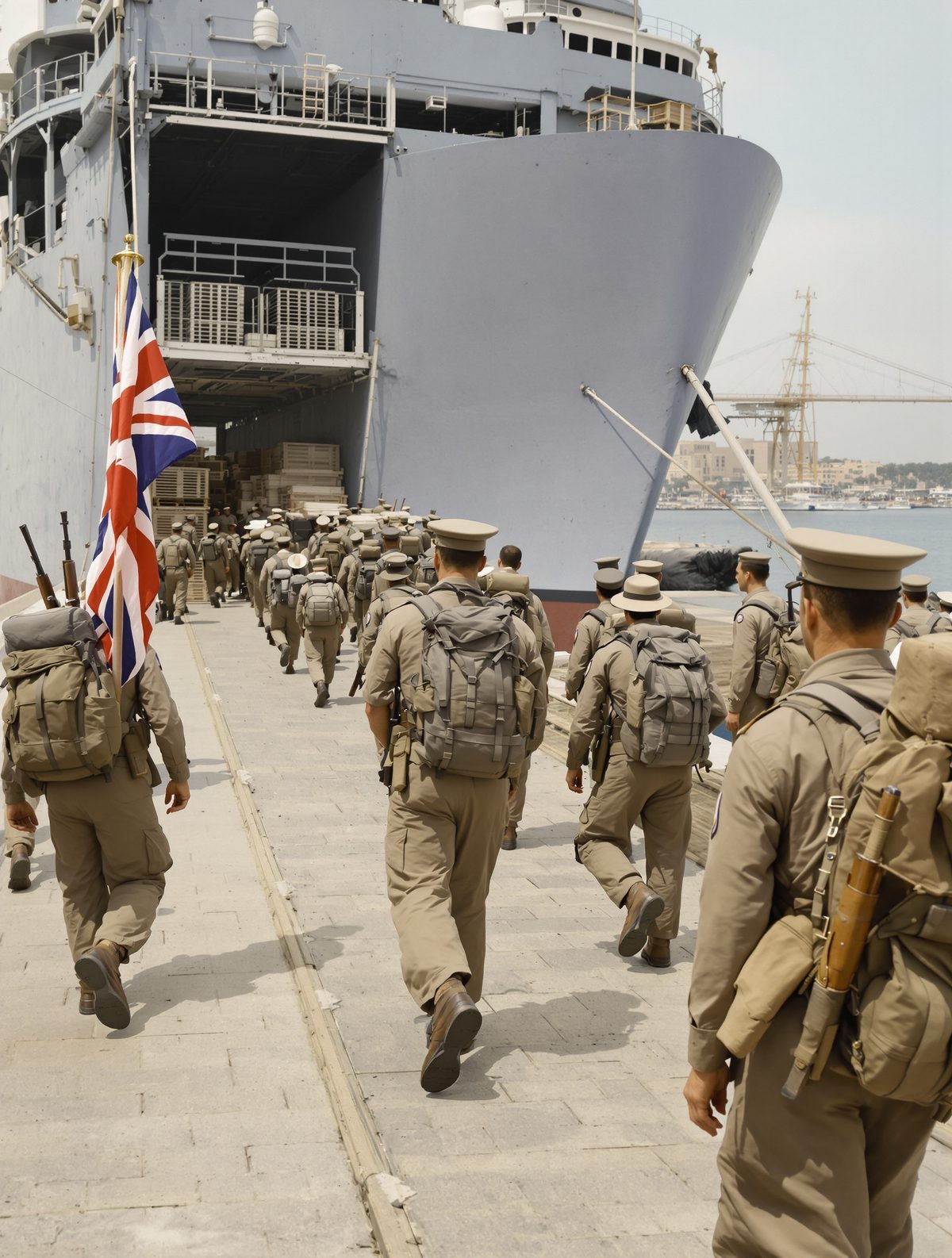
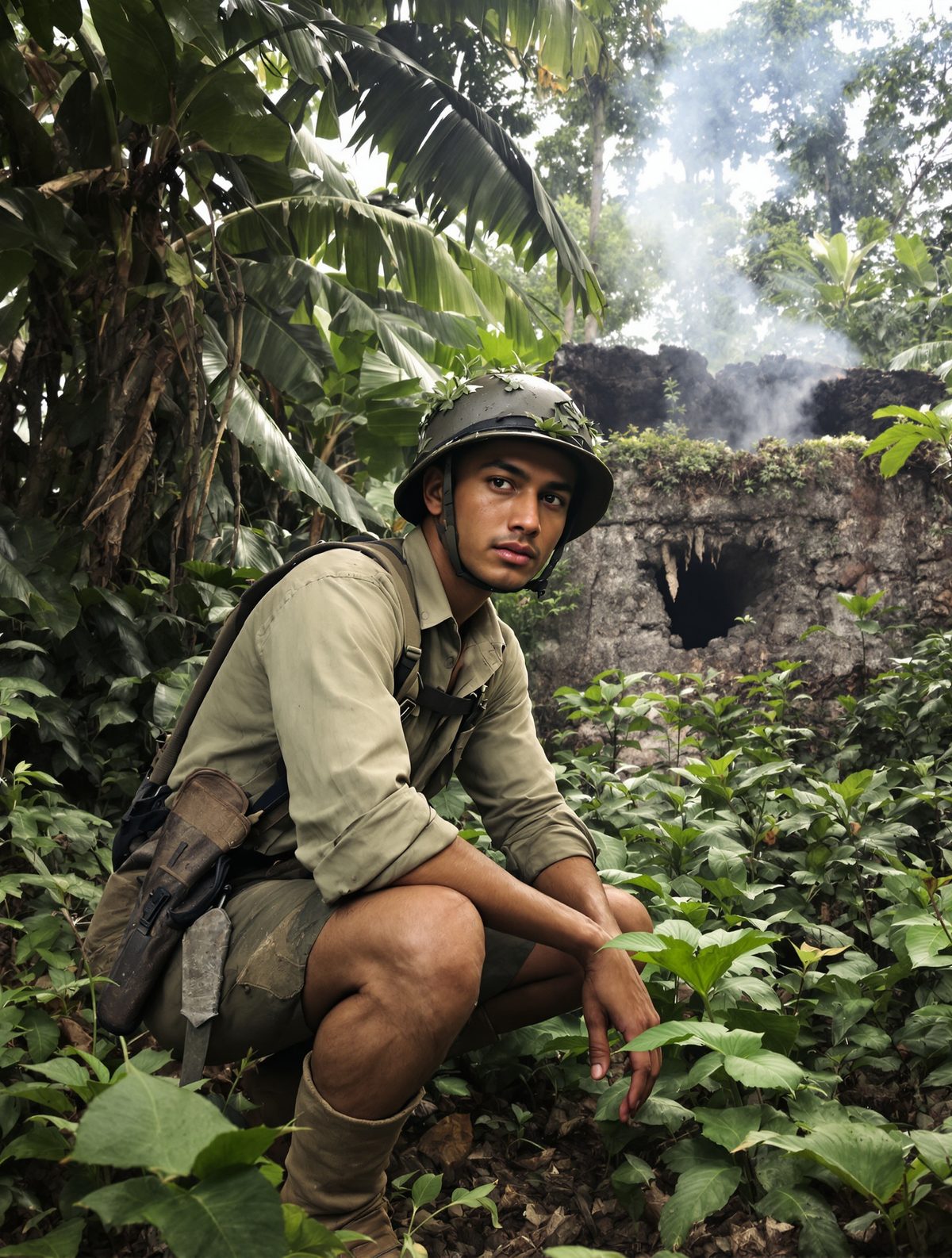
As the dawn broke over the dense canopy of Burma's Arakan coast, the gentle hum of natural life was overshadowed by the ominous presence of war. Here, the dense and vapid green landscape was both ally and adversary. It was the kind of jungle that could swallow entire battalions whole within its tangle. For the troops of the 25th Indian Division, including the revered 4th Gurkha Rifles—which boasted Bhanbhagta as one of its own—it was a crucible of survival and tactical supremacy.
Rifleman Bhanbhagta Gurung was no stranger to such arduous terrains. By March 1945, he had been in service for several years, having gained a reputation for his resilience and loyalty. He had the ruggedness typical of a Gurkha, a testament to both his ancestry and his military training. Still, nothing could entirely prepare Bhanbhagta or his fellow soldiers for the challenge that lay ahead on this fateful day, when, without forewarning, they faced a series of Japanese bunkers—a seemingly impenetrable defensive line.
The Dawn Assault: Alone in the Heart of the Enemy
In the early hours, the Gurkhas found themselves pinned down by machine-gun fire from a row of Japanese bunkers that rose like ironclad sentinels against any advancement. As each moment passed, the need for decisive action intensified. With communication lines disrupted and their advance stalled, it was at this critical juncture that Rifleman Bhanbhagta made a decision of historical significance.
Seizing the initiative, and without orders or anticipation of backup, Bhanbhagta launched himself into the heart of the enemy position. Armed only with his iconic utility knife—the kukri—and a simplistic bayonet, this young soldier faced the servants of imperial fortification alone. His approach was bold and calculated, darting through the open territory with a swiftness that defied the thick underbrush. His first target: the nearest machine-gun post.
Raging Redefined: Clearing Trench After Trench
Rifleman Bhanbhagta Gurung's charge was nothing short of herculean. With mettle inexplicable even to the most seasoned warriors, he tackled each fortified position like a wolf prowling an unguarded flock. He stormed the enemy trench with ferocity, his movements rendered a visceral ballet of survival and lethal precision.
With each successive assault, the silence of the jungle, momentarily breached by gunfire, returned quieter than before—signaling yet another victory. Bhanbhagta's sequence of attacks saw the elimination of five fortified positions, each cleared with the stoicism and tenacity that would go on to inspire countless tales within military folklore. But perhaps no moment was as visceral as when he dragged a Japanese sniper from his hidden perch halfway up a tree, barehanded—a feat that echoes like an echo in the corridors of combat history.
Bhanbhagta's Legacy: The Victoria Cross
The conclusion of Bhanbhagta’s singular offensive was met with awe from his peers and commanders alike. His actions on that muggy March morning had not just turned the tide that day but had irrevocably forged a legacy of unparalleled bravery.
For this astonishing feat, Rifleman Bhanbhagta Gurung was awarded the Victoria Cross, Great Britain's most prestigious honor for valor "in the face of the enemy." The citation for his decoration lauded not just his courage but his determination and selflessness—qualities emblematic of the Gurkhas, whose loyalty and prowess have filled military annals for generations.
At just twenty-four years old, Bhanbhagta's tale was immortalized as a beacon of gallantry and as a reminder that the course of history can indeed be altered by the courage of a single individual.
Reflections in the Annals of Time
The legacy of Rifleman Bhanbhagta Gurung extends beyond the pages of military narrative. It holds profound implications for understanding the individual capacity for courageous defiance against overwhelming odds. It's a narrative that transcends the war itself, echoing long after the ceasefire has been declared. In today's era, where conflicts may not always be conventional or territorial, but ideological and moral, Bhanbhagta's actions remind us that valor and virtue know no bounds.
Even as the jungles of Burma have regrown, resetting nature's gentle equilibrium over old battle scars, the legend of a lone Gurkha soldier stands undiminished. His story fuels imagination and reverence alike, inviting us to ponder how acts born in the blood and breath of a singular moment can ripple through time, inspiring generations yet unborn. For as long as heroes like Bhanbhagta live within our collective memory, the chapters left out of textbooks invite deeper reflection and honorary acknowledgment. In Bhutan, on a battlefield among the flora and fauna, rifleman Bhanbhagta Gurung—armed with just a kukri and a bayonet—etched a story of courage to keep legends alive.