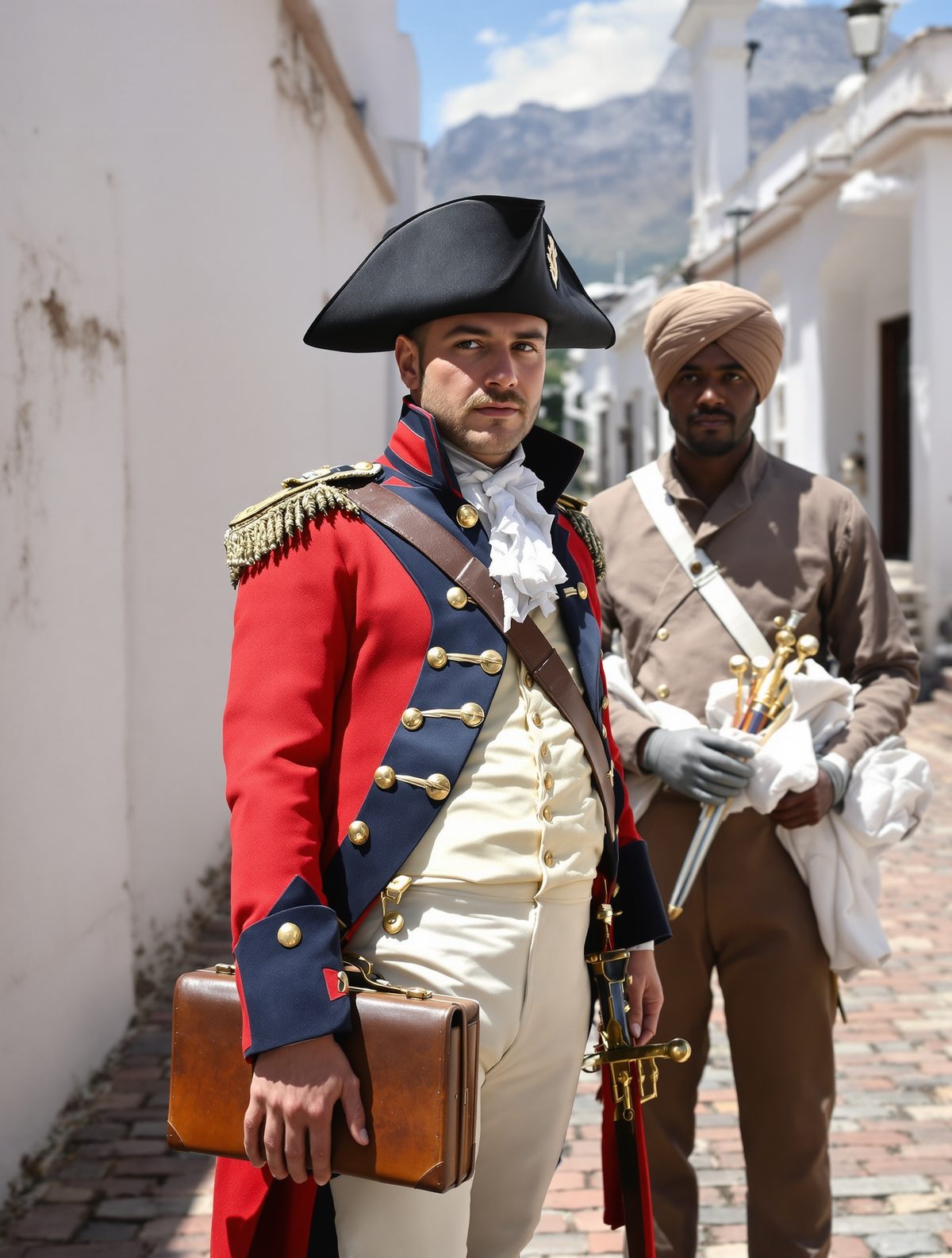
The year is 1865, and a salty wind rolls briskly across the shores of the Chubut River in Patagonia, unsettling reeds and stirring dust up into the open sky. With it comes the first of dreams, carried by 153 weary travelers from a small seafaring village in Wales. Half a world away from the land they knew as home, they step nervously onto alien soil, desperately clutching to an audacious hope — to preserve their language, culture, and community in this far-flung corner of the Earth.
Their arrival sparks the beginning of a unique cultural experiment, with one remarkable woman taking center stage. A Welsh schoolmistress with steely determination and an ironclad dedication to the future, crafting not just a school from clay and straw but a bastion of resilience, ensuring Welsh words echo across the Pampas for generations.
The Bold Voyage to Patagonia
This little-known chapter of history begins in the tight-knit villages and pastoral landscapes of mid-19th century Wales. Victorian Wales was a land of hardship and hope, where the industrial smog of English dominion threatened to asphyxiate the Welsh language and customs. Beleaguered by economic strife and linguistic oppression, a group of impassioned Welsh nationalists devised a daring plan — establish a new Wales in the New World, one free from the grip of Anglicization.
Guided by the vision of Michael D. Jones, a fiery young minister known for his mesmerizing oratory, this group of pioneers boarded the Mimosa, a wooden barque, in May of 1865. Traveling over 12,000 miles across the unpredictable Atlantic, they sought a sanctuary in Patagonia, then part of the frontier south end of Argentina. There, they envisioned a "Y Wladfa Gymreig" — the Welsh Colony — where their language and identity could endure unchallenged.
The Schoolmistress of New Wales
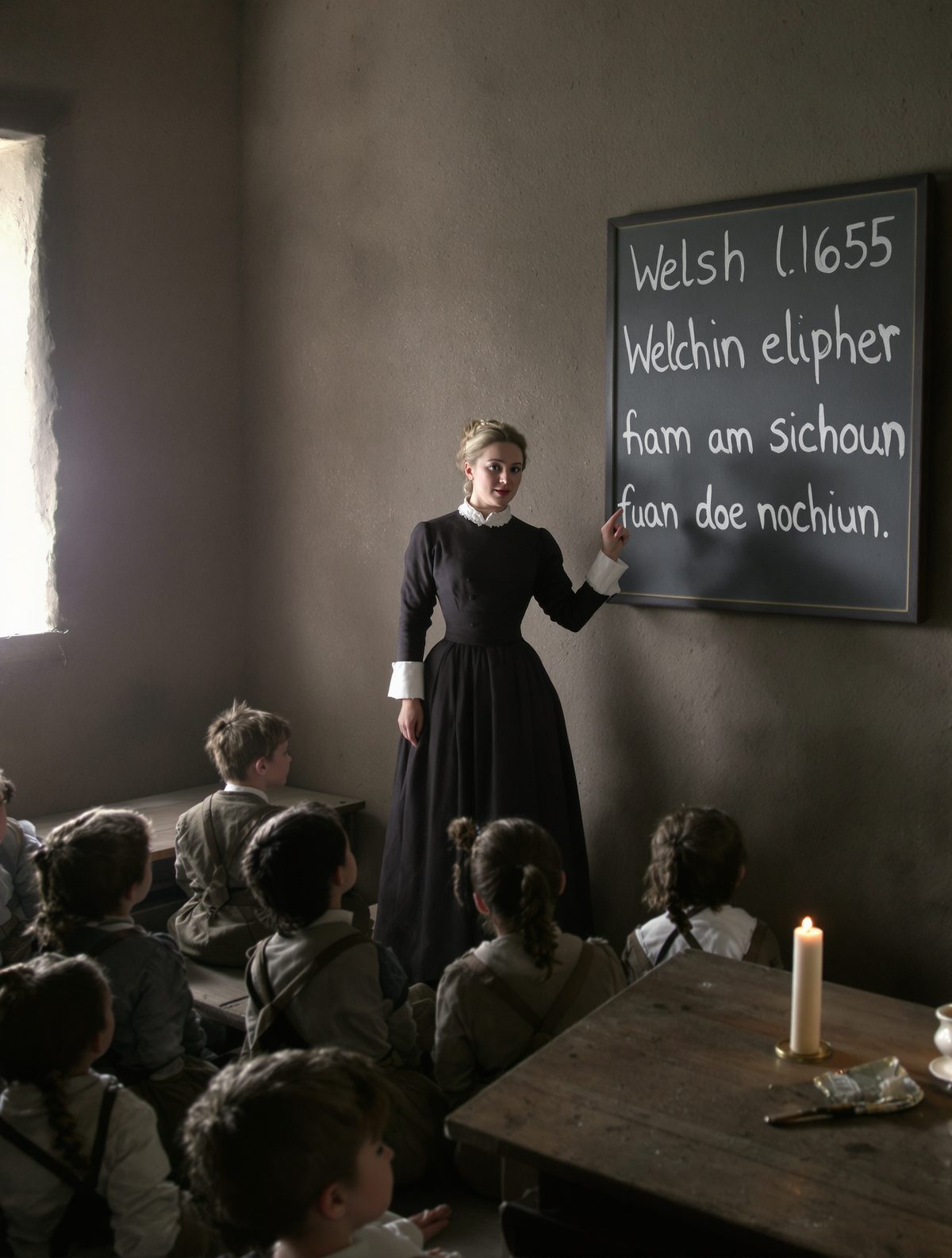
Upon arrival, these settlers were met by a harsh and desolate landscape dotted with sparse vegetation and the perpetual hum of ocean winds. Among them was Catherine Davies, a schoolmistress with resolve as unyielding as the stones beneath her feet. Born amidst the rolling hills of Carmarthenshire, Davies was steadfast in her mission: to educate the colony's children and, by doing so, to plant the seeds of tradition and resilience.
With no formal schoolhouse, Davies began teaching in a structure barely recognizable as a shelter — a mud hut with a thatched roof and a dirt floor. It was within these humble walls that the tapestry of Welsh culture began to weave itself anew. She taught in Welsh, infusing her lessons not only with language but with poetry, hymns, and an unyielding sense of identity. Sources suggest that by 1870, her small mud hut had grown into a more permanent establishment, earning its place as a cornerstone of the fledgling community.
Adapting to the Pampas
The settlers’ initial years in Patagonia were fraught with trials, from unanticipated droughts to unrelenting floods that often left their meager crops at the mercy of nature's whim. Yet, they persevered, adapting farming techniques to the arid pampas, and their potatoes, wheat, and alfalfa started feeding hopes along with bodies. The inhabitants called these lands " Cwm Hyfryd," the pleasant valley, embracing the sweeping panoramic beauty set against the backdrop of the Andes Mountains.
The alliances with local indigenous tribes, including the Tehuelche, proved beneficial. This collaboration helped the settlers adapt to their new environment, exchanging knowledge about agriculture and survival techniques. This relationship was so integral to their success that decades later, Welsh was spoken not only by the settlers but blended uniquely with native tongues.
Building a Community
By 1885, the Chubut Colony had firmly established itself, its various communities thriving against all odds. More settlers arrived, bringing with them a rekindled energy and passion. Davies's educational mission had paid off; her former students, now adults, held steadfastly to Welsh traditions, and Welsh publications such as "Y Drafod" began circulating, solidifying the community's link to its cultural roots.
During the infamous 1902 plebiscite, held to resolve a territorial dispute between Argentina and Chile concerning the Patagonia region, hundreds of Welsh Patagonians participated, impressing officials with their distinct civic engagement. Full of Welsh spirit, the colonists’ votes and loyalty swayed decisions that favored Argentine administration, further defining their presence within the national tapestry.
Legacy in the Language
From those modest beginnings in a wind-battered mud hut on the Chubut Plains, Welsh-Patanionia burgeoned into a cultural enclave. Incredibly, some 50 years after their first grounding, the singing voices and lilting conversations in Welsh still resonated along the windswept steppes.
Today, the descendants of those original settlers and newcomers continue to weave the heritage across Patagonia. In places like Trelew, Gaiman, and Dolavon, cultural festivals celebrate this unique Welsh-Argentine nexus. The Welsh language is taught in schools, spoken in homes, and honored in annual Eisteddfod events.
The echoes of Davies’s insistence on preservation seemed prescient now more than ever. If our globalized world pushes linguistic and cultural homogeneity, the Welsh experience in Patagonia provides a stirring testament that language and culture, when nurtured appropriately, can flourish across any boundary, sung to the tune of winds past—as is the enchanting case in Patagonia, where Welsh still rings through the pampas, reaching beyond borders and time.