Imagine, if you will, a bustling London street in the year 1810. The air is thick with the smell of coal smoke and the sound of horse-drawn carriages over cobblestone. Amidst the kaleidoscope of trading voices, a single scent drifts, something exotic and altogether new to the nostrils of Regency-era Londoners. It is the aroma of spices—of cumin, coriander, and cardamom—swirling together to herald an arrival that would change British dining forever. This was the handiwork of Sake Dean Mahomed, a man whose life defied the conventions of his time, culminating in the opening of the Hindostanee Coffee House, the first Indian restaurant in England.
The Soldier from Patna
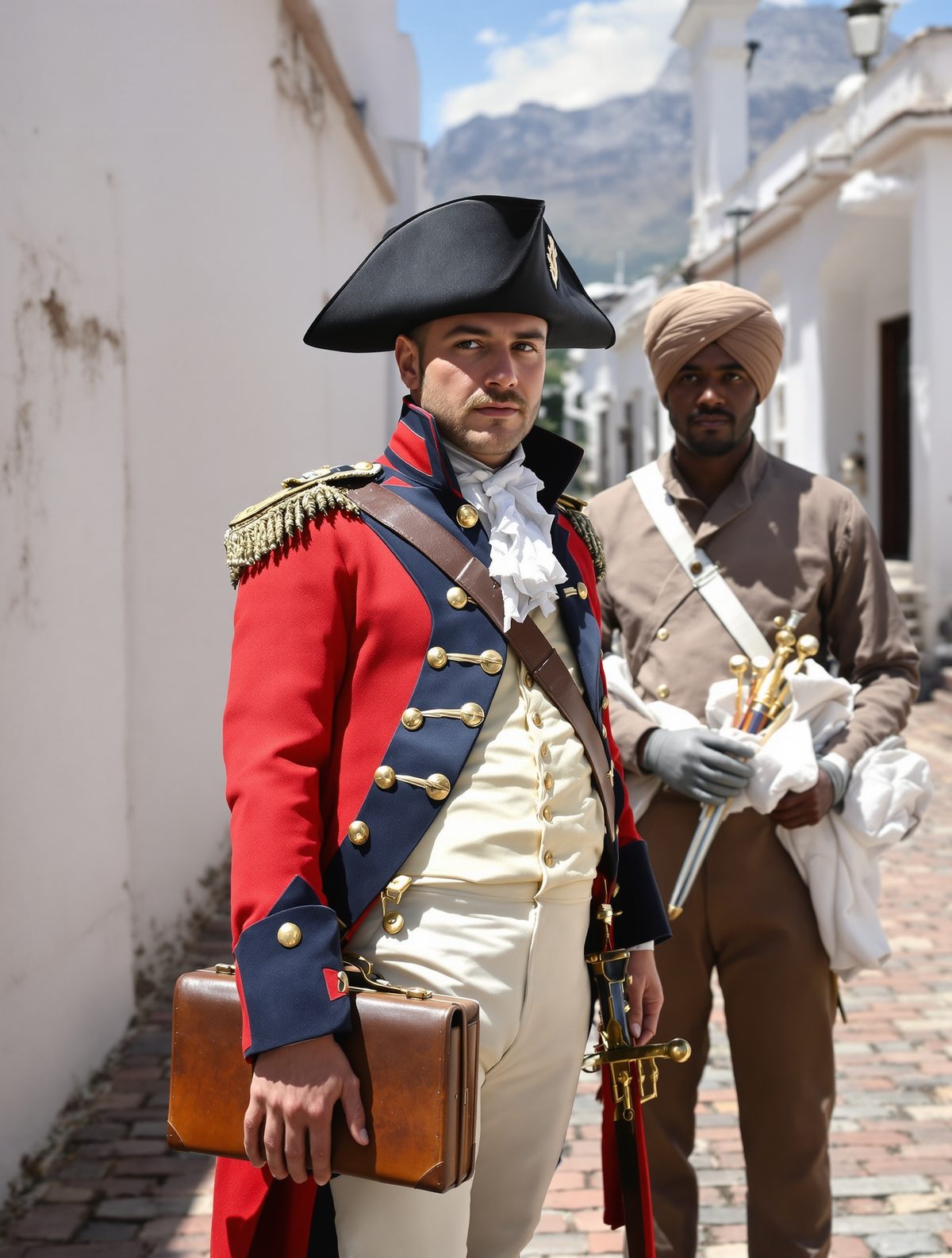
Sake Dean Mahomed’s journey began far from the charcoal sky and cobbled streets of London, in the vibrant and buzzing city of Patna, India, in 1759. Born into a respectable Muslim family, Mahomed watched the incursion of the British East India Company into the Indian subcontinent, a seismic shift in power marked by conflict and consolidation. His father, a skilled soldier in the Nawab of Bengal's army, passed on both ambition and a strong martial heritage. At the age of 11, Mahomed joined the same Bengal Army, embarking on a career that would take him through the thrumming, battle-torn heart of India.
In his late twenties, Mahomed made a bold decision that left his past behind but set the stage for an international legacy. He ventured across the wide ocean to Ireland with his regiment captain and mentor, Captain Godfrey Baker. In Cork, a city swirling with cultural exchange, Mahomed took an unprecedented leap—he penned "The Travels of Dean Mahomet," the first book to be published in English by an Indian author. Through these pages, he offered a vivid narrative of his experiences, casting a spell on the Western imagination with glimpses of India that were as rich as an eye-catching tapestry.
From Author to Entrepreneur
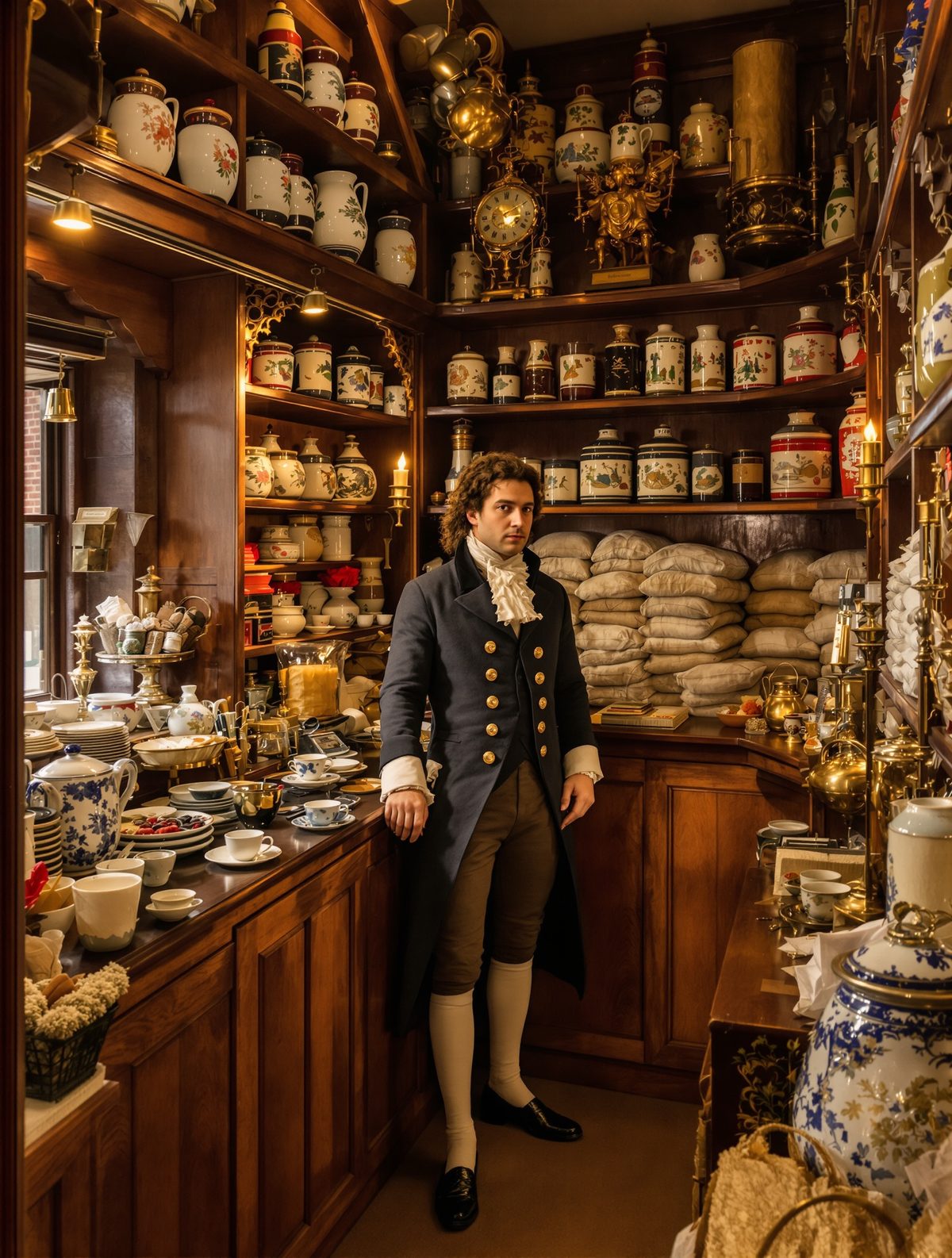
By 1807, Sake Dean Mahomed found himself in London. It's a city on the brink of culinary revolution, yet still clinging to the best codified traditions of meat and potatoes. This was a metropolis poised unwittingly for an infusion of taste and spice. With Mrs. Mahomed by his side, Dean, as he was commonly known, imagined a place where he could blend the flavors he held so dear with the dining habits of his new world. The Hindostanee Coffee House bore fruit on an unsuspecting public in 1810, nestled away at the corner of vast central London.
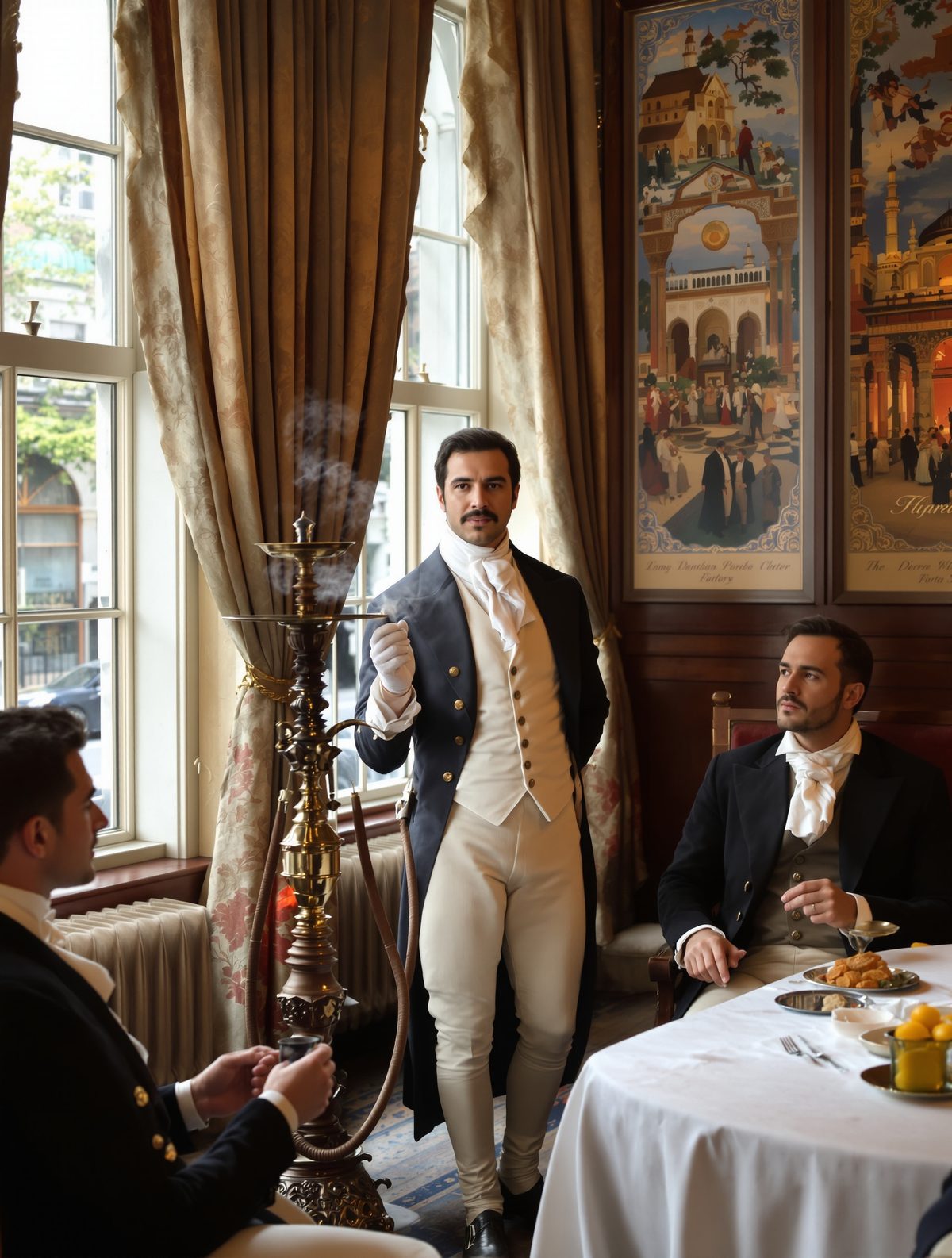
Emblazoned with the promise of “Hookahs with real chilm tobacco and Indian dishes," this was no ordinary coffeehouse. Mahomed crafted an oasis of Indian culture, a sanctuary decoratively lined with Oriental embellishments, among the chimneys and bustle of the British capital. This was a locale where the elite came to recline on bamboo-cane sofas and savor the rich, distinctive taste of curry. It was a culinary departure, a stimulus for Britain's dining scene, ushering in a new age of multicultural communion.
The Flavors that Pierced the Empire
To step inside the Hindostanee Coffee House was to be swept away to distant lands through wondrous flavors. British palates, unaccustomed to the robustness of Indian cuisine, were surprised by the warm explosion of flavors. Mahomed cleverly introduced the nation to keema, a rich stew of minced meat cooked with spices and herbs, and pulao, a fragrant rice dish. These recipes, kept fiercely authentic, spoke a language of taste that was both foreign and intoxicatingly delightful.
While tea was already gaining popularity as the empire's beverage of choice, Mahomed’s introduction of the hookah was an experience in leisure and luxury. Patrons could savor their food while reclining, surrounded by the trappings of a faraway world. It was both curiosity and comfort, a combination that sparked interest and opened the door for future innovation in the culinary scene of England.
A Cultural Conduit
Sadly, despite its pioneering concept and allure, the Hindostanee Coffee House struggled under the weight of economics. By 1812, the adept restaurateur faced financial difficulties leading to its closure. Yet, his endeavor had blazed an indelible trail. Even after the restaurant closed, the appreciation for Indian cuisine remained, fertilizing a landscape where subsequent generations of restaurateurs could plant roots, giving rise to the thriving Indian dining scene in the UK today.
In an age where the British Empire controlled enormous swathes of the globe, it was men like Mahomed who turned the status quo on its head. His life and enterprise became a vessel for cultural exchange, quietly transforming the societal fabric by flavor and defying the one-way street of imperial benefit. Mahomed's restaurant was a modest teahouse that wielded spices instead of swords but altered the course of British taste forever.
Legacy of Flavor
Today, Indian cuisine is a robustly celebrated part of British culture, with thousands of restaurants paying homage to the flavors that Dean Mahomed once dared to serve. The legacy of curry, established over two centuries ago, showcases how a single individual's courage to cross divides can create a lasting ripple through time. As globalization continues to influence and enhance our world today, Mahomed's story offers a poignant reminder that innovation often lies at the junction of cultures — a narrative often forgotten, yet forever sealed in every curry consumption across the nation.
Sake Dean Mahomed was not merely an adventurer or author; he was a maverick of cultural synergy. In opening the Hindostanee Coffee House, he seeded an empire with the taste of its own imperial ventures. That curious corner of Central London became the backbone of a culinary tradition, maturing into an integral part of British cuisine. In his aromatic audacity, Mahomed ensured that the flavors they'd left out of the textbooks would be savored at countless tables, enriching both the British palate and the social landscape for centuries to come.