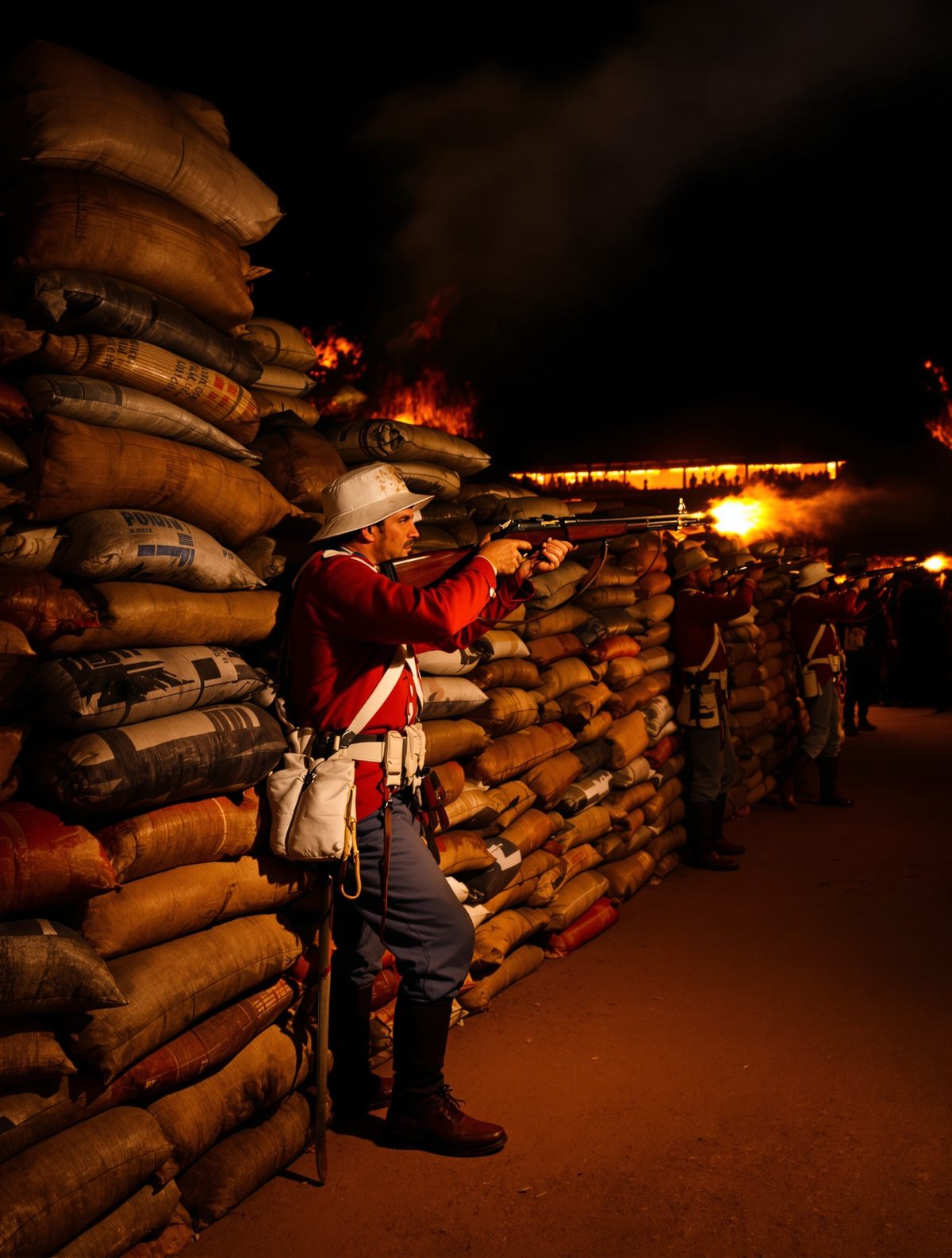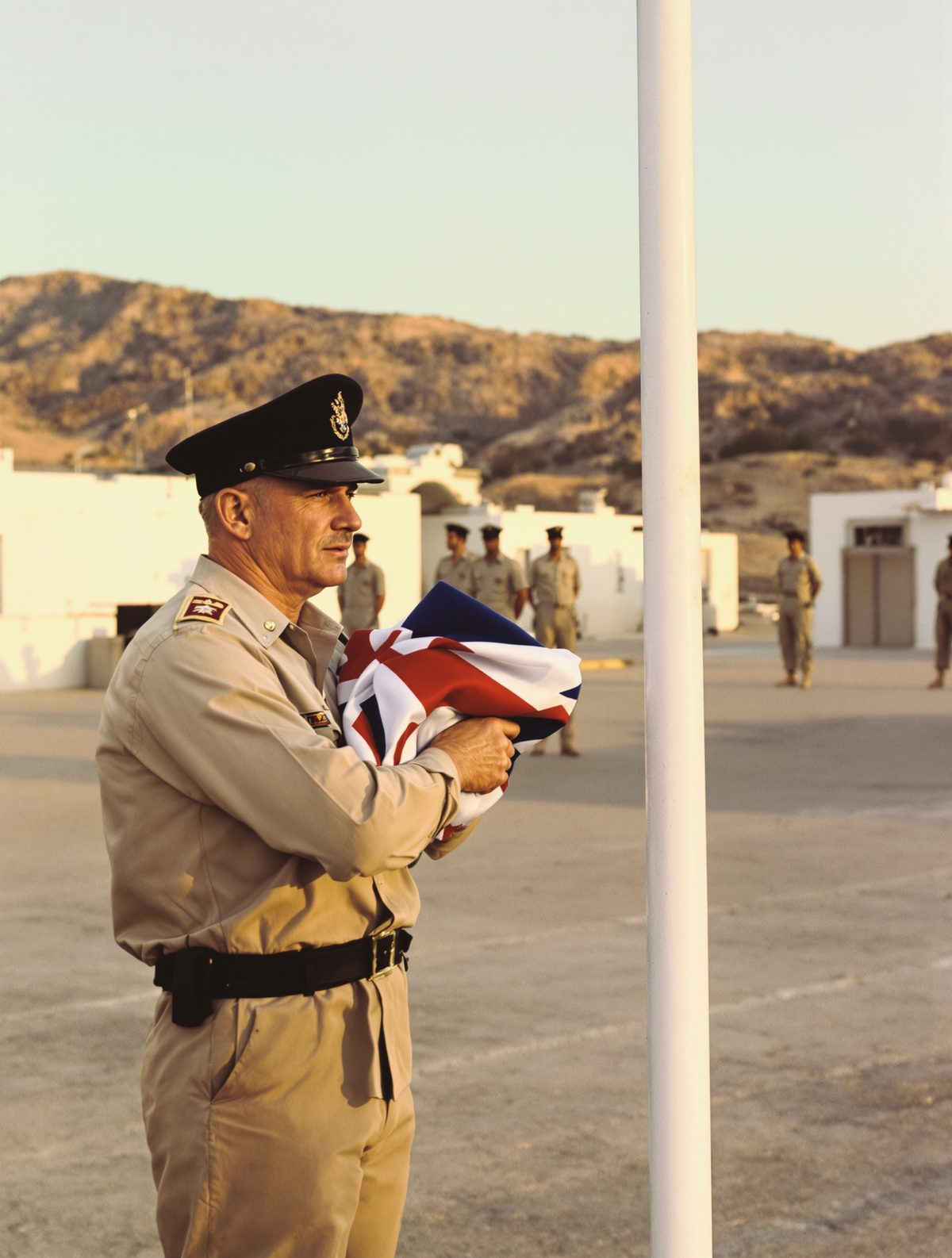
In the waning days of November 1967, as the sultry Arabian sun set over the frenetic port city of Aden, a lone British soldier stood firm by a towering flagpole. The fiery orb met the horizon, bathing the landscape in a poignant glow. Amidst the mounting chaos of a city on the brink of transformation, he prepared to lower the Union Jack for the last time, concluding an era that had stretched over a century. This is the often-forgotten story of one man who, with solemn dignity, encapsulated the twilight of an empire in a single, profound gesture.
The Jewel of the Arabian Peninsula
In 1839, the British East India Company captured the port of Aden, recognizing its undeniable strategic importance. Located on the Gulf of Aden, this isolated corner of the Arabian Peninsula served as a vital refueling stop for ships traveling between Britain and its colonies, especially India. Over the years, Aden flourished into one of the busiest ports in the world, a jewel of empire strengthened by diverse cultural exchanges and burgeoning trade.
For 128 years, Aden remained a crucial outpost, a testimony to British naval power. Yet, by 1967, the world had changed irreversibly. The Age of Empire was bleeding into the era of decolonization. Between dwindling resources and increasing insurgency, Britain's grip on Aden loosened irreparably. Anti-colonial sentiment crept into the city’s alleyways and echoing streets, leading to a crescendo of violence and rebellion.
The Unseen Soldier
As negotiations for withdrawal concluded, the reality of the situation set in—only a few weeks remained before British forces would completely vacate Aden. Amidst the packing up of military bases and the closure of government offices, the task of lowering the final flag fell to a young guardsman whose name history has mostly neglected. This singular act was shrouded in the weight of history.
Why was this young soldier chosen for such an honor fraught with complexity? Records suggest it was due to his exemplary service and the respect he commanded among peers. Yet, in choosing not to record his name in the annals of history, the spectacle became symbolic—less about any individual, and more about the sweeping change it heralded.
The Last Stand
As November 30th unfolded, a crowd—comprising a mix of locals, remaining British expatriates, and international reporters—gathered emotionally at the Cremeean Parade Ground. The humid air buzzed with tension. When that brave soldier gripped the flagpole, time seemed to halt, the gravity of the moment encapsulated in the fluttering fabric. Each unhurried movement betrayed a struggle to maintain composure, even as history pulsated around him.
With each unspoken beat, dissonant emotions played out. For the gathered Britons, this was a severing, an end to familiar life under Union Jack's embrace. For many Adenis, this meant the dawn of hoped-for autonomy and the agonizing end of colonial rule. In a gesture of respect and finality, he carefully folded the Union Jack—a square of blue, red, and white fabric—to the space of a cherished memory. A silent witness to the handover of so many territories now scattered across history.
Echoes of an Empire
As the soldier marched away, carrying the flag from the field of view, the past seemed to breathe its last over Aden. Thousands of miles from the decision-makers and power-bearers, this moment—brief yet eternal—reflected the true nature of endings, where sorrow and relief wove into a complex tapestry of feelings.
That the Empire strained under its weight, losing not only geographical territories but also ideological footing, was a testament to the global shifts in political dynamics. The world, by 1967, had already witnessed the emergence of new power blocs and political ideologies—seeds of a future whose echoes impact us even today.
A Reflection for Today
The soldier’s act that day was more than a closing ceremony on paper—it was a catalyst for deep reflection about nationhood and autonomy. As observers, we grapple with the results of imperialism, assessing progress and losses in national identities evolved post-decolonization. Today, Aden sits within modern-day Yemen, a country enduring turbulent paths to peace and self-determination, yet resilient like its erstwhile guardians of a flag.
This moment serves as a reminder of the profound responsibility carried by those who walk history's edge. In modern discourse, as we unpick the threads of colonial legacy and recommit to societal equality and peace, the image of our lone soldier lowering the Union Jack challenges us to remember the complex consequences of past decisions on present-day realities worldwide.
Through its silence and consideration, that brief moment in Aden remains a powerful symbol. It forces us to focus not only on the colors of a flag but also on the people beneath it. The soldier's departure was Britain’s quiet acknowledgment that the power of empires lay not in dominion over lands, but in the dignity of relinquishing them.