The skeletal figures stumbling along the muddy banks of the James River that January morning in 1608 barely resembled the proud English gentlemen who had arrived just eight months earlier. Their eyes, sunken deep into gaunt faces, scanned the horizon with the desperate hope of the dying. Then, through the morning mist, a miracle materialized: the familiar triangular sail of an English ship cutting through the gray waters toward their crumbling fort.
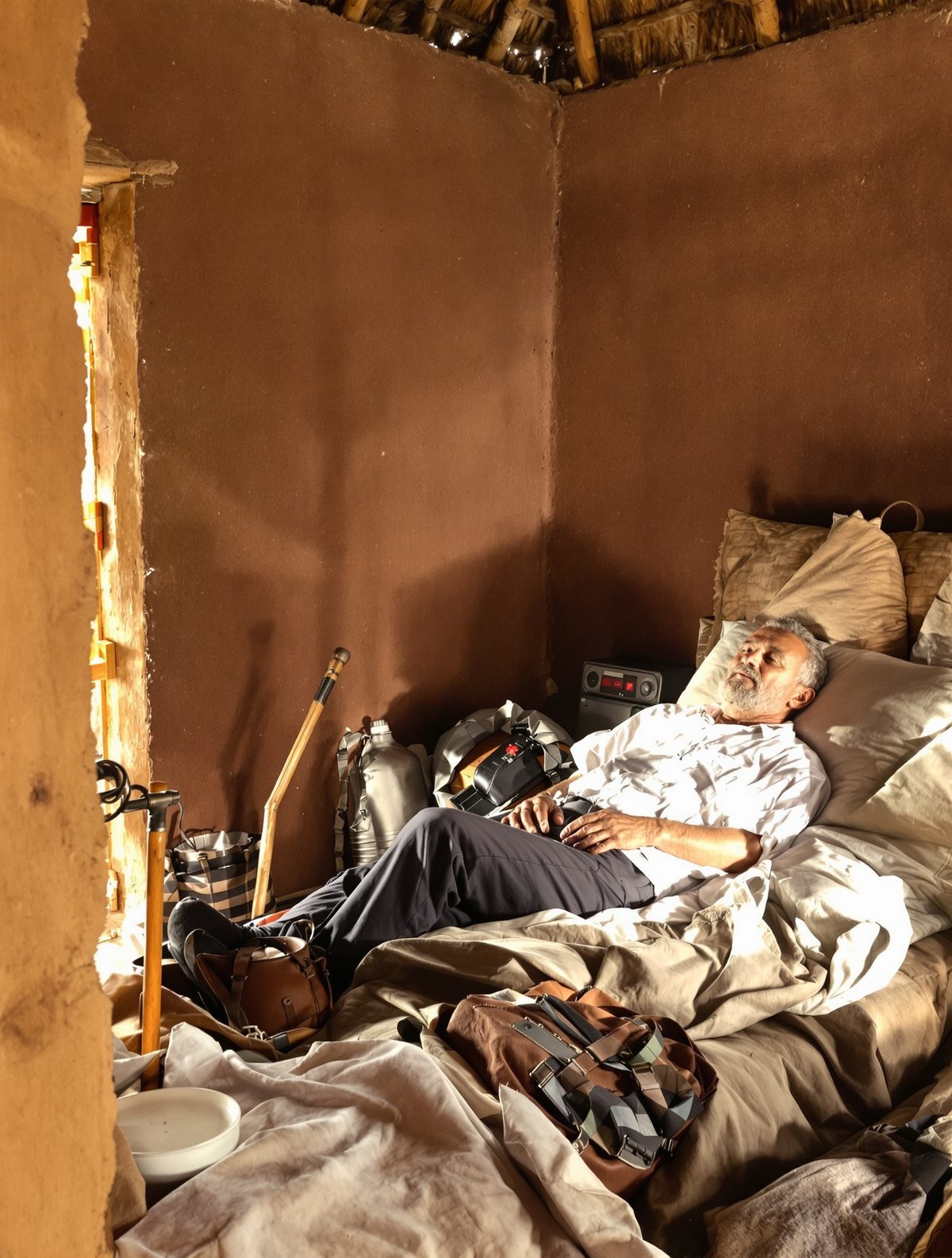
Inside the rotting palisade walls of Jamestown, only 38 souls remained breathing from the original 104 colonists who had landed with such optimism the previous spring. The rest lay buried in shallow graves or had simply vanished into the Virginia wilderness, claimed by disease, starvation, and the brutal reality of America's unforgiving frontier. England's grand imperial dream hung by the thinnest of threads.
But Captain Christopher Newport was about to change everything.
The Dying Time
To understand the magnitude of Newport's intervention, we must first grasp just how catastrophically wrong Jamestown's first year had gone. The Virginia Company's promotional pamphlets had painted America as a land flowing with gold and opportunity, where English gentlemen could quickly establish profitable plantations while converting the friendly natives to Christianity. Reality proved somewhat different.
By December 1607, the colonists were trapped in what they grimly called "the starving time." Their supplies had dwindled to nothing more than a daily ration of half a pint of wheat mixed with as many worms as grain. The brackish water they drew from the James River carried typhoid and dysentery. The marshy location they had chosen for their fort—selected primarily for its defensive position against Spanish attacks—proved to be a breeding ground for malaria-carrying mosquitoes.
John Smith, the colony's most capable leader, later wrote that men were dying so fast they couldn't dig graves quickly enough. Bodies were simply dragged outside the fort walls and left for the wolves. The survivors, too weak to work, huddled in their flimsy shelters as the Virginia winter—milder than England's, but devastating to men without proper food or clothing—slowly claimed more victims each day.
Perhaps most shocking of all, these weren't hardened frontiersmen but London gentlemen who had never held a shovel, much less cleared a forest or planted crops. Nearly half the original colonists bore the title "gentleman," men who considered manual labor beneath their station even as starvation stalked their fort.
Newport's Race Against Time
Meanwhile, 3,000 miles away in London, Captain Christopher Newport was loading the John and Francis with supplies that would determine whether England's American experiment lived or died. Newport wasn't just any sea captain—he was a battle-tested veteran who had lost his right arm fighting Spanish treasure ships in the Caribbean and had personally delivered the original Jamestown colonists to Virginia in 1607.
What makes Newport's January 1608 voyage remarkable isn't just that he arrived in time, but that he had no idea how desperately he was needed. Communications between England and Virginia took months, and the Virginia Company's last reports from Jamestown had been cautiously optimistic. Newport was sailing blind into one of colonial America's greatest disasters.
The cargo manifest of his relief ship reads like a medieval army's supply list: barrels of grain and salt pork, casks of beer and aqua vitae (an early form of whiskey used medicinally), iron tools, weapons, gunpowder, and precious medicines including what colonists called "Venice treacle"—a cure-all mixture that actually contained dozens of herbs and was one of the few effective treatments available.
But Newport carried something even more valuable than supplies: 120 fresh colonists, including the first women to join the settlement. Among them were skilled craftsmen—carpenters, blacksmiths, and farmers—men who could actually build and grow things rather than simply search for gold that didn't exist.
The Moment of Salvation
When Newport's ship rounded the bend in the James River on January 2, 1608, the reaction inside the fort was nothing short of euphoric. Colonist Gabriel Archer wrote that men who hadn't had the strength to stand in days suddenly found their feet, stumbling toward the riverbank and weeping openly at the sight of the English colors.
But Newport's shock at seeing the survivors was equally profound. George Percy, one of the 38 remaining colonists, recorded that Newport "stood amazed" at their skeletal appearance and the obvious signs of the colony's near-collapse. The proud fort he had helped establish just months earlier was now a collection of rotting buildings surrounded by graves.
The captain immediately ordered his crew to begin unloading supplies, but he quickly realized that simply delivering food wouldn't solve Jamestown's fundamental problems. The surviving colonists were not just starving—they were completely demoralized and had essentially given up on the idea of building a permanent settlement. Many were already making plans to abandon Virginia and return to England on Newport's ship.
Here's where Newport proved his genius as both a sea captain and a leader: rather than simply dropping off supplies and sailing home, he stayed for nearly four months to personally oversee Jamestown's reconstruction. He established strict work schedules, organized the new arrivals into effective labor crews, and most importantly, convinced John Smith to remain as the colony's president rather than return to England.
The Hidden Cargo That Changed Everything
While historians often focus on Newport's food supplies and new colonists, the most crucial items in his cargo hold were far less dramatic: seeds, farming tools, and detailed instructions from the Virginia Company about establishing sustainable agriculture. The original colonists had been so obsessed with finding gold that they had barely planted any crops, depending entirely on uncertain trade with local Native American tribes for food.
Newport brought something else that rarely appears in textbooks: the first serious attempt at establishing profitable industries in America. His 120 new colonists included eight "Dutchmen" (probably German craftsmen) skilled in manufacturing pitch, tar, and potash—naval supplies that England desperately needed and had previously imported from Scandinavia. He also brought equipment for glassmaking, an industry the Virginia Company hoped would generate quick profits.
Perhaps most significantly, Newport carried new, more realistic instructions from the Virginia Company. Gone were the fantasies about quick riches and easy conquest. The new directives focused on survival, agriculture, and gradual expansion—the unglamorous but essential work of actually building a colony.
Beyond Survival: Building an Empire
Newport's intervention in January 1608 didn't just save Jamestown—it fundamentally transformed the nature of English colonization in America. When he finally sailed back to England in April 1608, he left behind not just a surviving settlement but the blueprint for permanent English expansion into the New World.
The colony that emerged from Newport's four-month stay was radically different from the gentleman's adventure that had nearly perished. John Smith, emboldened by Newport's support and the arrival of skilled workers, implemented his famous "no work, no food" policy that forced even the gentlemen colonists to contribute to the settlement's survival. The new arrivals established America's first successful manufacturing operations, producing glass and naval stores that were actually shipped back to England for sale.
More importantly, Newport's relief mission established the supply chain that would keep Jamestown alive through its most difficult years. He would make two more relief voyages, in 1608 and 1609, each time bringing not just supplies but innovations and new colonists that gradually transformed Jamestown from a struggling outpost into the foundation of England's American empire.
The Thread That Held an Empire Together
Standing on the banks of the James River today, watching tour boats navigate the same waters where Newport's relief ship appeared that January morning in 1608, it's difficult to grasp how close we came to living in a very different world. If Newport had arrived even a few weeks later, or if storms had delayed his voyage, England's first permanent American settlement would almost certainly have been abandoned or destroyed completely.
Without Jamestown's survival, there would have been no Virginia tobacco fortunes, no plantation economy, no House of Burgesses—America's first representative assembly. The entire trajectory of English colonization might have been delayed by decades, leaving the field open for Spanish or French dominance of eastern North America. The butterfly effect of one ship's timely arrival rippled across centuries.
Perhaps most remarkably, Newport's rescue mission reminds us that empires aren't built by grand gestures or heroic individuals, but by ordinary people making extraordinary efforts at crucial moments. A one-armed sea captain's decision to stay four months longer than planned, to personally oversee the mundane work of rebuilding a dying settlement, helped set in motion the forces that would eventually create a nation. Sometimes history's most important moments come not with the thunder of cannons, but with the quiet splash of a supply ship's anchor dropping in a muddy river on a cold January morning.