The dawn mist was lifting from the shores of Lake Bangweulu when they found him. David Livingstone—the legendary explorer who had opened the heart of Africa to the world—was kneeling beside his bed in the tiny village of Chief Chitambo, his hands folded in prayer, his body perfectly still. The date was May 1, 1873, and the man who had spent three decades mapping the "Dark Continent" had breathed his last breath alone, 1,500 miles from the nearest European settlement.
His two most faithful companions, Abdullah Susi and James Chuma, stood in the doorway facing an impossible decision. They could bury their master here in the African soil he had come to love, or they could attempt something that bordered on madness: carry his body across a continent teeming with wild animals, hostile tribes, and tropical diseases that had already claimed countless lives. What happened next would become one of the most extraordinary acts of human devotion in the annals of exploration.
The Heart That Stayed Behind
Susi and Chuma had been with Livingstone for years—former slaves whom the Scottish missionary had freed and who had chosen to remain by his side through thick and thin. They understood something that history often overlooks: Livingstone wasn't just an explorer. To the African people he encountered, he was Ngaka—the doctor—a white man who actually treated them as human beings in an age when most Europeans saw them as commodities.
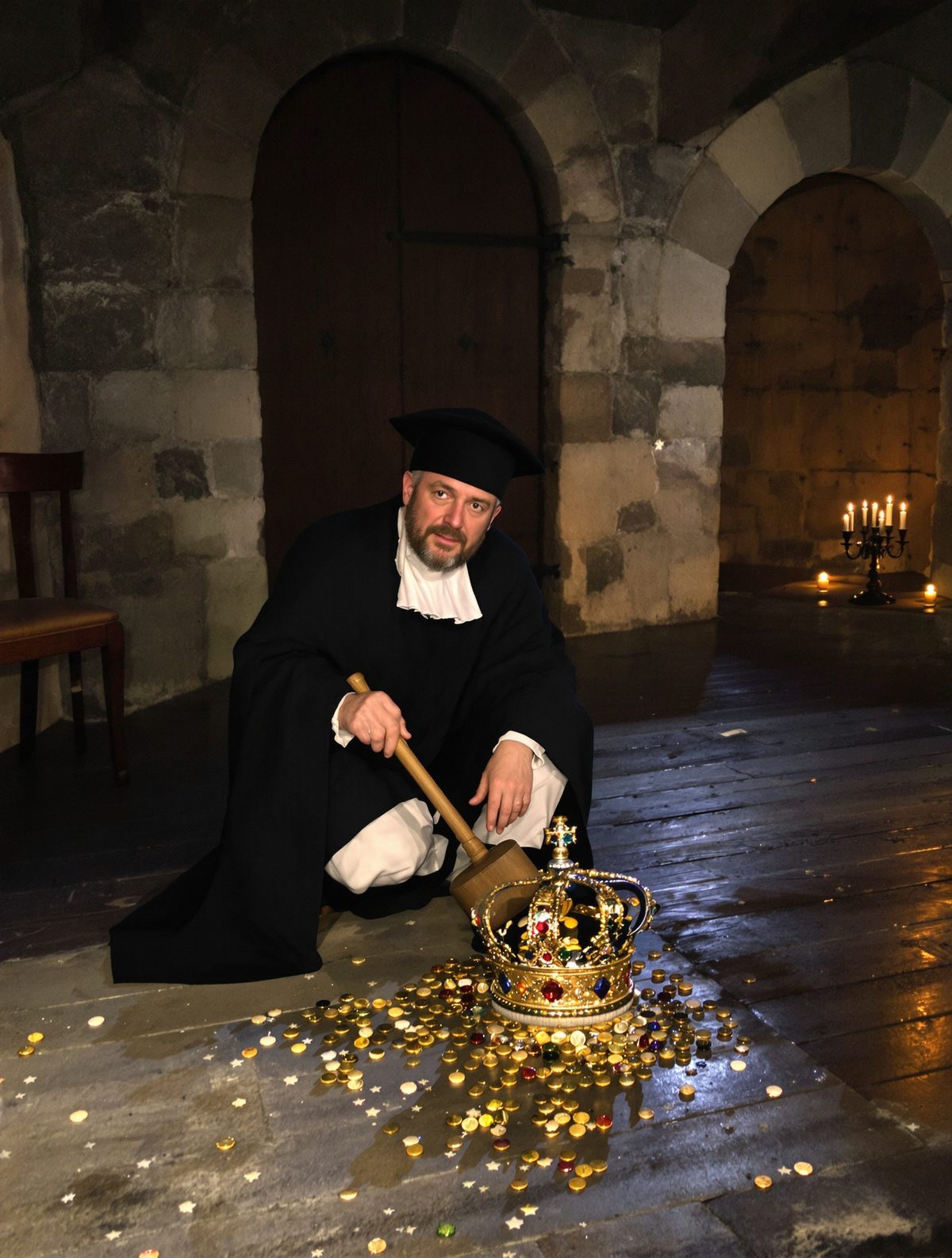
The two men made a decision that would have seemed absurd to any rational observer. They would take Livingstone home to Britain, but not all of him. In a ceremony witnessed by the entire village, they carefully removed his heart and internal organs, wrapping them in cloth before burying them beneath a mpundu tree. To them, it was only fitting—Livingstone's heart belonged to Africa, where it had beaten strongest during his campaigns against the slave trade.
What they did next was even more remarkable. They packed the body cavity with salt, wrapped the corpse in calico cloth, then bark, creating what was essentially a mummy. The entire process took fourteen days. As word spread through the village, something extraordinary happened: other Africans began volunteering for what everyone knew was likely a suicide mission. By the time they were ready to depart, Livingstone's funeral procession numbered nearly sixty people.
The March That Defied Death
On May 15, 1873, the most unusual funeral procession in African history began its journey. Picture it: sixty Africans carrying the mummified remains of a Scottish explorer through territories where European maps simply read "unexplored." They had no GPS, no satellite phones, no medical supplies beyond what they could forage. What they had was something more powerful—an unwavering belief that Livingstone deserved to go home.
The logistics alone should have killed them. The bundle containing Livingstone's body weighed nearly 150 pounds. In the scorching African sun, carrying this burden meant the bearers had to rotate every few hours to avoid collapse. They had fashioned a crude stretcher from branches, but the terrain—dense jungle, rocky outcrops, swollen rivers—made every mile an ordeal.
But the physical challenges paled beside the human ones. Arab slave traders, who had considered Livingstone their greatest enemy, controlled many of the trade routes. Tribal warfare raged across the region. Portuguese authorities in some areas viewed any large group of Africans as potential rebels. The funeral procession was forced to take massive detours, sometimes adding weeks to their journey, to avoid conflicts that would have meant certain death.
When Loyalty Became Legend
Five months into their journey, as they trudged through what is now Tanzania, something remarkable happened. Word of their mission had spread along the trading routes, and instead of being met with hostility, they began encountering assistance. African chiefs who had never met Livingstone offered food and safe passage. Why? Because the story of these men carrying their master's body home had taken on mythic proportions.
Here's what the history books rarely tell you: this wasn't just about loyalty to one man. This was about dignity in an age when Africans were told they possessed none. Every step Susi and Chuma took was a declaration that African lives—and African loyalty—mattered. They were writing their own narrative in an era when Europeans typically wrote all the stories.
The procession faced its greatest crisis near the town of Tabora, in present-day Tanzania. Disease had struck the group, reducing their numbers by nearly half. Some had died; others had turned back, unable to continue. The remaining thirty-eight had to make a choice: abandon the mission or press on with even fewer hands to share the burden. Contemporary accounts record that the debate lasted three days. In the end, not a single person chose to abandon Livingstone.
The Race Against Time and Decay
By February 1874, nine months after beginning their journey, the survivors reached Bagamoyo on the Indian Ocean coast. They had covered over 1,500 miles of African wilderness, but their ordeal wasn't over. The tropical climate had been working against them every step of the way, and despite their careful preservation efforts, Livingstone's remains were deteriorating rapidly.
When British officials first saw the group emerging from the interior, they were skeptical. Was this really David Livingstone? The body was badly decomposed, barely recognizable. It was only when they examined the left arm and found the distinctive scars from a lion attack that had nearly killed Livingstone twenty years earlier that they knew: Susi and Chuma had actually done it. They had carried their master across a continent.
The British Navy ship HMS Vulture carried Livingstone's remains to England, where he was buried in Westminster Abbey with all the pomp befitting a Victorian hero. But here's the detail that still gives you chills: Susi and Chuma were invited to attend the funeral. Two former slaves stood in Britain's most prestigious cathedral as honored guests, watching the burial of the man they had carried across Africa.
The Loyal Hearts History Forgot
The story of Livingstone's death made headlines across the British Empire, but the narrative that emerged was troublingly familiar. The focus was on the "great explorer" and his "faithful natives," as if Susi and Chuma were merely devoted pets rather than human beings who had made an extraordinary choice. The true magnitude of what they had accomplished—the planning, the leadership, the sheer courage required—was consistently downplayed.
What modern historians have uncovered paints a different picture. Susi wasn't just a loyal servant; he was an experienced navigator who had traveled with other explorers before Livingstone. Chuma was literate and served as the expedition's de facto diplomat, negotiating safe passage through hostile territories. These were accomplished men who could have easily disappeared into the vast African interior and lived comfortable lives. Instead, they chose devotion over safety, honor over survival.
The mpundu tree where they buried Livingstone's heart became a pilgrimage site. For decades, Africans would travel to the spot to pay their respects not just to Livingstone, but to the ideal he represented: a white man who had genuinely cared about African suffering. In 1902, the British colonial government erected a monument at the site, but by then, the tree itself had died—some say from the trauma of the burial, others from the countless visitors who took pieces as relics.
Why Their Steps Still Echo
In our age of instant communication and global connectivity, it's easy to forget what loyalty looked like when it truly cost something. Susi and Chuma's 1,500-mile march wasn't just about carrying a dead body home—it was about carrying forward the idea that some bonds transcend race, nationality, and even death itself.
Their story challenges every comfortable assumption about the colonial era. While European powers were carving up Africa for their own enrichment, while the "scramble for Africa" was reducing an entire continent to lines on a map, two African men were demonstrating a nobility of spirit that puts most of recorded history to shame. They remind us that the most powerful force in human affairs isn't technology or politics or economics—it's the simple decision to honor what we believe is right, regardless of the cost.
Today, as we struggle with questions of loyalty, service, and what we owe each other across racial and cultural lines, perhaps we should remember two men walking across Africa with an impossible burden, proving that the human capacity for devotion knows no boundaries. Livingstone's heart may be buried under an African tree, but Susi and Chuma's hearts—and their footsteps—belong to the ages.