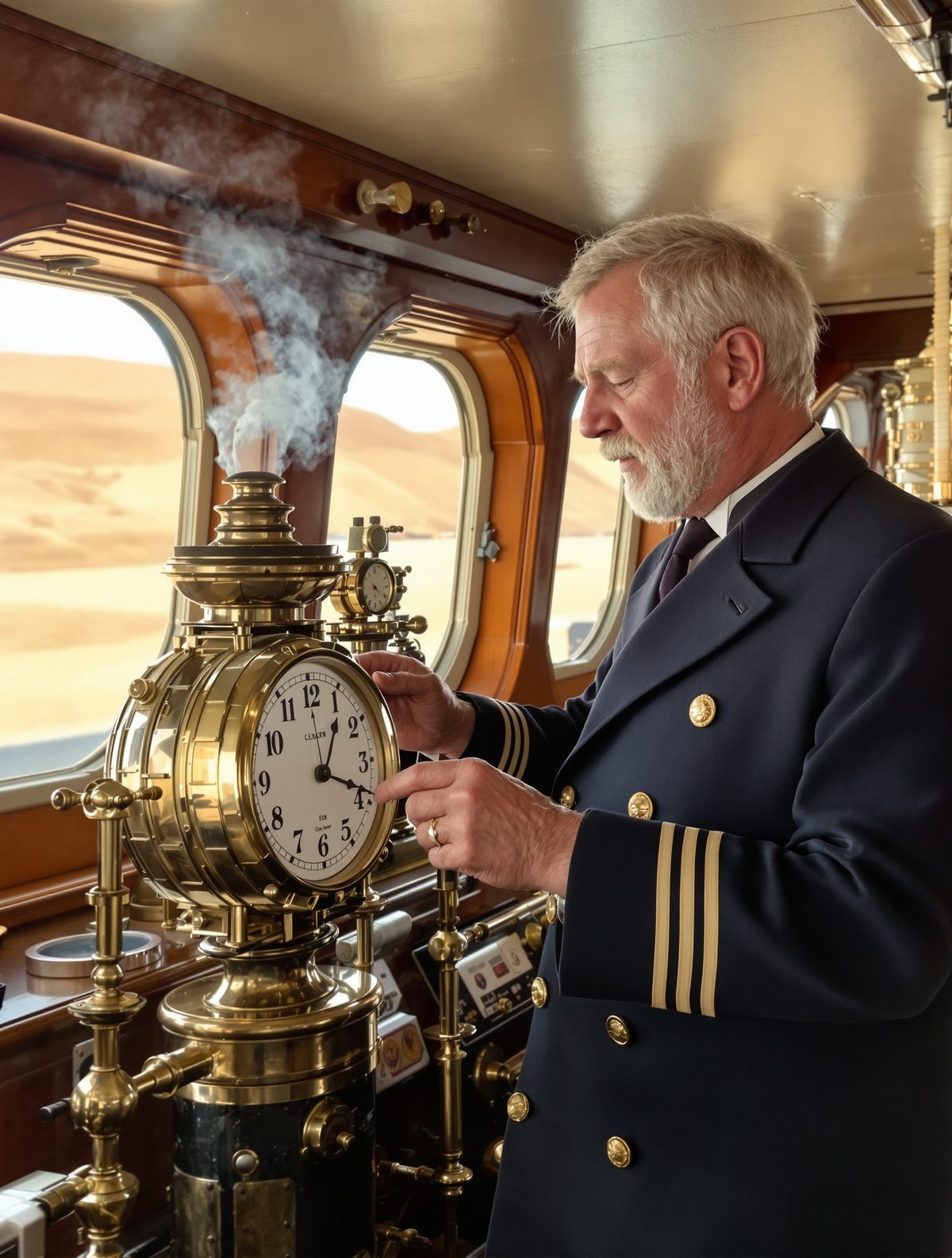
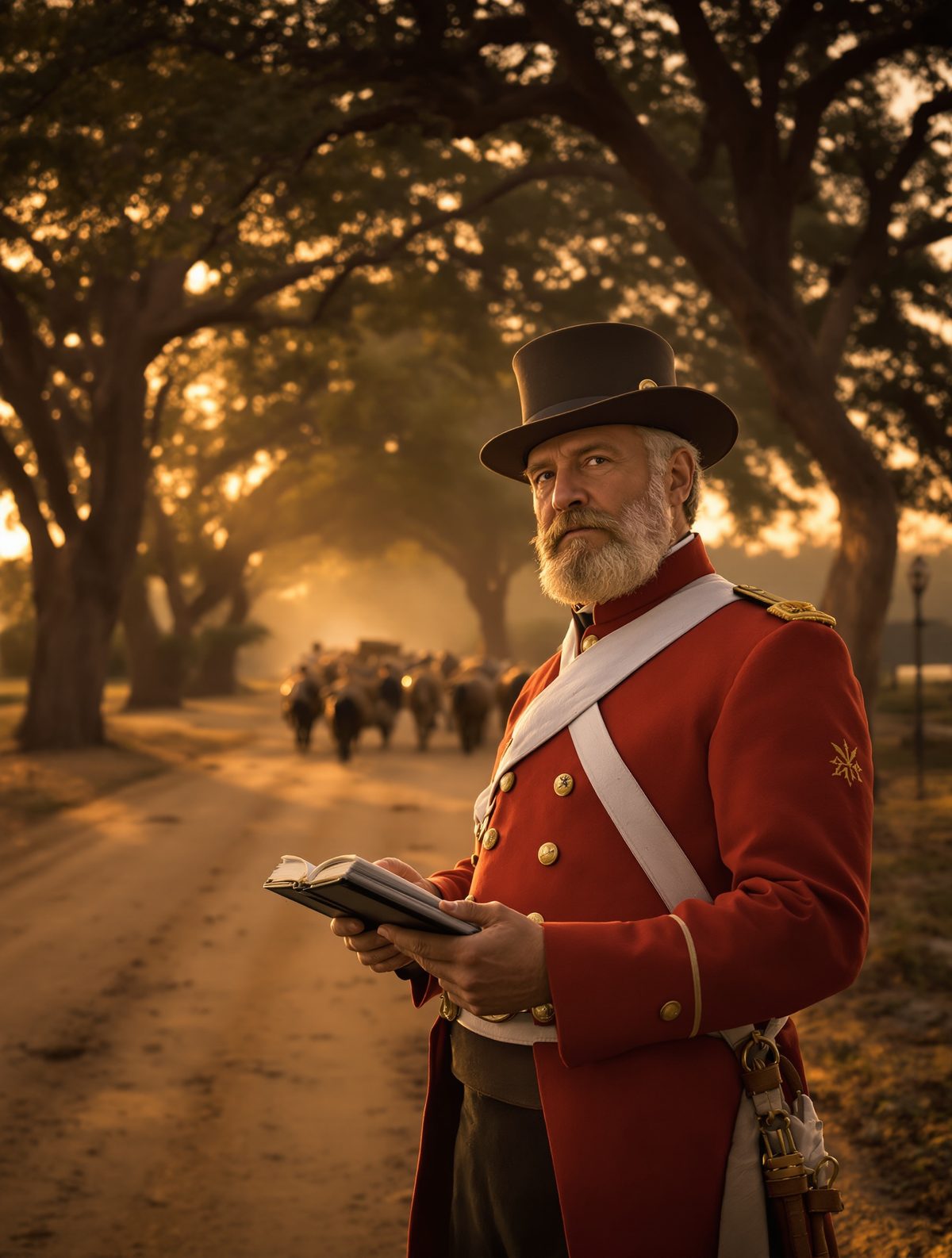
Picture this: a sweltering Indian morning in August 1857, and 500 British sailors are doing something no naval manual had ever contemplated. They're hauling eight-ton cannons through steaming jungle, their ship's guns mounted on makeshift carriages, bound for a city 300 miles inland. Leading this extraordinary procession is Captain William Peel, son of a Prime Minister, who has just made perhaps the most audacious decision in naval history—to turn his sailors into an army and march his floating fortress to Delhi.
What drove a naval captain to abandon his ship and drag cannons through hostile territory? The answer lies in one of the British Empire's darkest hours, when the greatest rebellion in its history threatened to topple colonial rule forever.
When the Jewel Cracked
The Indian Rebellion of 1857 didn't announce itself with fanfare. It began with whispered rumors about pig fat and cow grease on rifle cartridges, spreading like wildfire through the sepoy ranks of the Bengal Army. But by May 1857, what started as religious outrage had exploded into full-scale revolt across northern India.
Delhi fell to the rebels in a single day. The aged Mughal Emperor Bahadur Shah II, a pensioner of the East India Company, suddenly found himself proclaimed leader of a resurgent empire. The symbolic heart of Muslim India was lost, and with it, British prestige across the subcontinent wavered like a candle in a hurricane.
In Calcutta, 1,000 miles away, Captain William Peel received news that would change his life—and naval history—forever. The siege of Delhi was failing. British forces under General Archdale Wilson had established a camp on the famous Ridge north of the city, but after months of bloody fighting, they were no closer to recapturing the Mughal capital. Worse still, they were running low on heavy artillery capable of breaching Delhi's massive walls.
This is where our naval hero enters the story. Peel, commanding HMS Shannon and a small flotilla on the Hooghly River, made a decision that defied every convention of naval warfare. If the army needed big guns, the Navy would provide them—even if it meant carrying them 300 miles overland.
The Impossible March Begins
On August 15, 1857, an extraordinary sight departed Calcutta. Captain Peel's Naval Brigade consisted of 450 sailors and 50 marines, but it was their equipment that drew gasps from onlookers. Eight massive 68-pounder guns—each weighing eight tons—had been mounted on specially constructed carriages. These weren't field artillery pieces; these were ship-killers, designed to smash through oak hulls at close range. Now they would be dragged by teams of oxen and elephants through jungle, across rivers, and over mountains to reach Delhi.
The logistics were staggering. Each gun required a team of twelve oxen to move, and the Naval Brigade's baggage train stretched for miles. They carried not just ammunition—each 68-pounder shell weighed 68 pounds, hence the name—but also the specialized naval equipment needed to maintain and operate the guns. Peel had essentially created a moving naval base, complete with ship's carpenters, gunners, and even the Shannon's band.
The march tested every man to his limits. Temperatures soared above 100°F during the day, while monsoon rains turned roads into quagmires. The sailors, accustomed to the rolling deck of a ship, now found themselves trudging through ankle-deep mud, their white naval uniforms stained brown with Indian earth. When bridges collapsed under the weight of the guns, Peel's men had to construct new ones. When elephants died from exhaustion, they pressed on with ox-teams alone.
But perhaps most remarkably, they were marching through territory where British authority had all but collapsed. Rebel forces controlled much of the countryside, and the Naval Brigade fought several sharp actions along the way. These were sailors engaging in land battles, using their 68-pounders as field artillery—a role for which they had never been designed.
Thunder on the Ridge
When Peel's dusty, exhausted sailors finally reached the British camp outside Delhi on August 24, they were greeted as saviors. General Wilson's force had been clinging to the Ridge for months, enduring daily attacks and watching their siege artillery prove inadequate against Delhi's formidable defenses.
The city's walls were no medieval fortification. Delhi was surrounded by massive Mughal-era ramparts, in some places forty feet high and twenty feet thick. Previous British attempts to breach these walls had failed spectacularly. The army's 18-pounder guns had barely scratched the ancient stones.
Peel's 68-pounders were different beasts entirely. When they opened fire on September 8, the sound was unlike anything heard in the siege so far. These naval guns, designed to sink ships at sea, now turned their fury on stone and mortar. Observers described the impact as "earthquake-like," with massive chunks of masonry flying through the air like leaves in a storm.
The psychological effect was immediate. Rebel defenders, who had grown confident in their walls' impregnability, suddenly found themselves facing weapons that could punch through several feet of solid stone with each shot. The Naval Brigade's gunners, trained in the precise art of naval gunnery, placed their shots with devastating accuracy.
Sailors Storm the Breach
By September 14, Peel's guns had torn three practical breaches in Delhi's walls. But the Captain's naval brigade wasn't finished. In an unprecedented move, these sailors—who should have been manning guns on a rolling deck somewhere in the Bay of Bengal—prepared to assault a fortress on dry land.
The final assault on Delhi began before dawn on September 14, 1857. Peel led his naval brigade through the Kashmir Gate, fighting street by street toward the Red Fort. These were men trained for naval combat, using cutlasses and boarding pikes in narrow Indian streets, facing an enemy fighting desperately for their vision of independence.
The fighting was brutal and house-to-house. Peel himself was wounded but refused to leave his men. His sailors, far from their natural element, proved themselves as fierce in land combat as they were skilled at sea. They fought with the same disciplined fury they would have shown repelling boarders on their ship's deck.
By September 20, Delhi had fallen. The last Mughal emperor was captured, and the symbolic heart of the rebellion was back in British hands. Captain Peel's naval brigade had achieved what months of conventional siege warfare could not.
The Price of Innovation
The cost was severe. Of the 500 men who had left Calcutta, over 100 were dead or wounded by the time Delhi fell. Disease claimed more than enemy action—cholera, dysentery, and heat stroke were constant enemies. Captain Peel himself, weakened by his wounds and months of campaigning, would die of smallpox just months later while fighting in Lucknow.
But their sacrifice had achieved something remarkable. The Naval Brigade had not only helped recapture Delhi but had also demonstrated the adaptability and determination that would become hallmarks of British naval tradition. They had literally reinvented naval warfare, proving that sailors could be soldiers, and ship's guns could be siege artillery.
The 68-pounders that had made the journey became legends themselves. After Delhi, they were moved to Lucknow, where they again proved decisive in another crucial siege. These same guns that had once faced French ships at sea were now the key to holding an empire together.
Echoes Across Time
Captain Peel's march to Delhi represents something profound about military innovation born from desperation. In our modern era of rapid technological change and asymmetric warfare, his story resonates with surprising relevance. When conventional approaches fail, success often comes from those willing to think beyond the boundaries of their training.
The Naval Brigade's achievement also illuminates a darker truth about empire. The very desperation that drove Peel's extraordinary march reveals how close the British came to losing India in 1857. This wasn't the assured dominance of popular imperial mythology, but rather a colonial system hanging by a thread, saved only by the audacity of men willing to drag ship's cannons through a jungle.
Today, as we grapple with rapid technological change and unpredictable conflicts, Peel's story offers both inspiration and warning. Innovation can indeed triumph over impossible odds—but the price of such victories is often higher than the history books reveal. Sometimes the legends they left out of the textbooks are the ones that matter most.