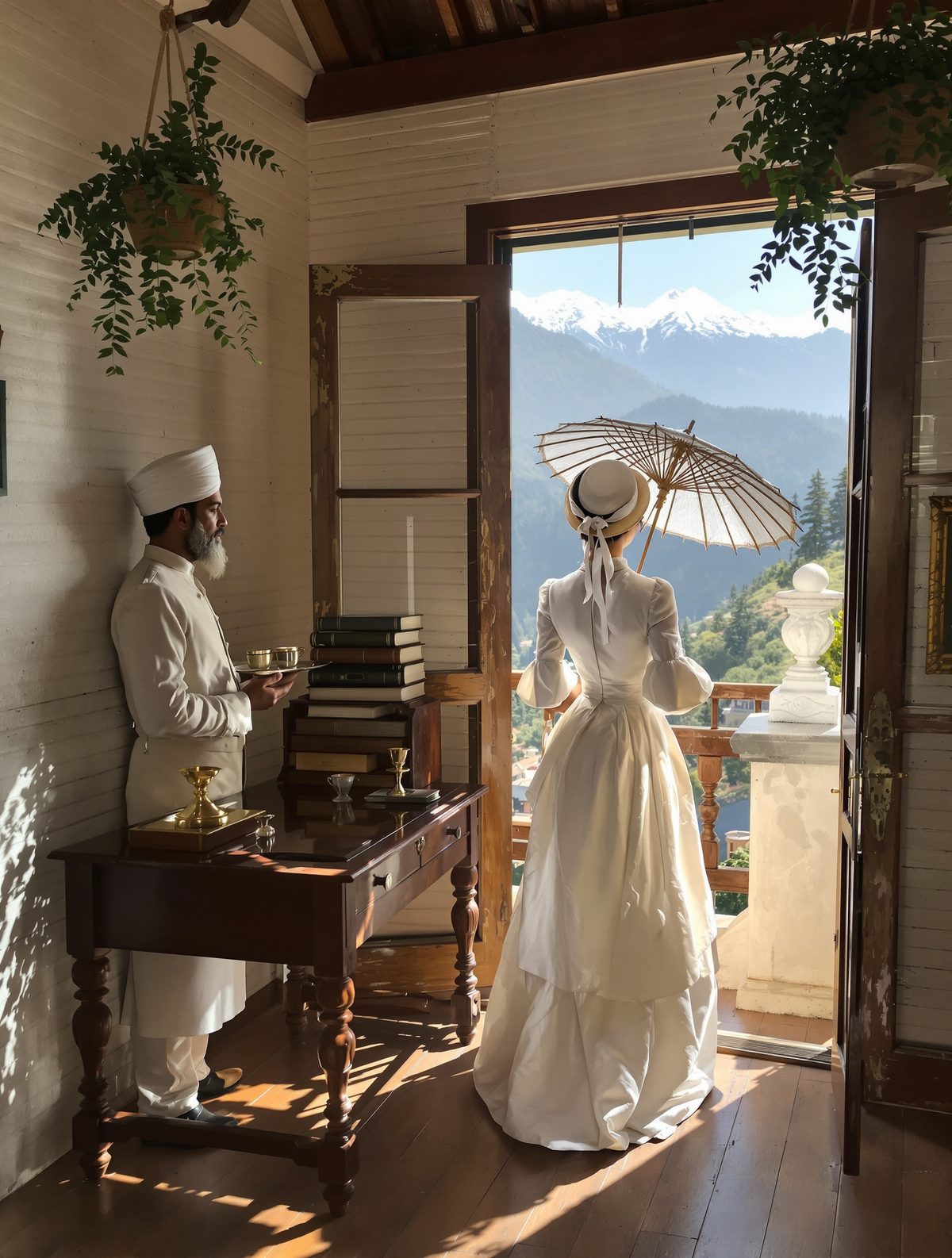
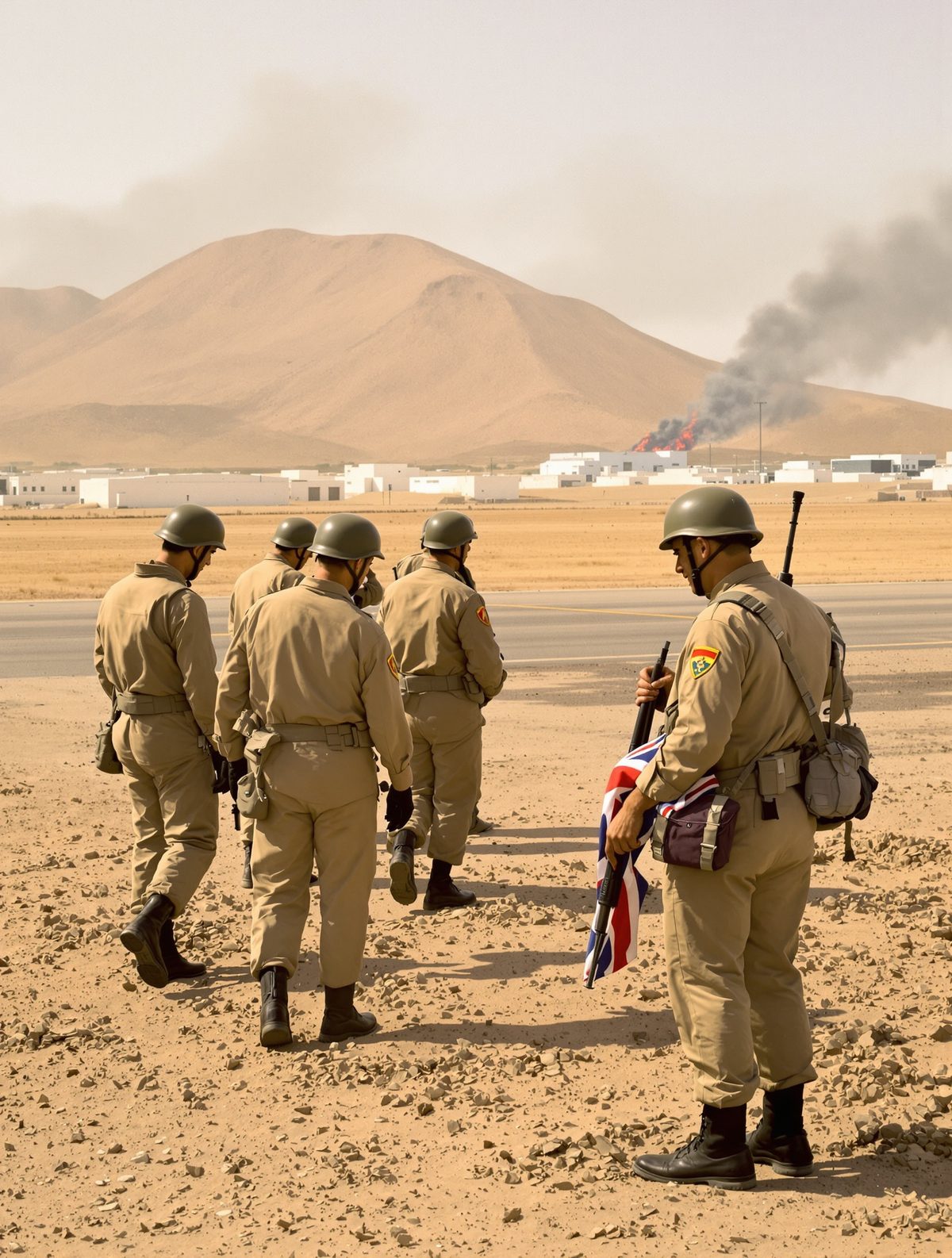
In the heart of the late 19th century, amidst the cacophony of the Scramble for Africa, an era of thirst for dominance and imperial titles, a singular act from a distant office in London would reverberate across continents and into the annals of history. It was neither a king nor a parliament that chiseled this indelible mark upon the map but a woman—armored not in steel or gold, but with paper, ink, and a keen intellect. Flora Shaw, a British journalist, effectively wrote the name of a future nation into existence: Nigeria.
The Lady Behind the Pen
Born in 1852, Flora Shaw was not your archetypal Victorian era woman. As the daughter of a colonel, she was well-versed in the geopolitics of a burgeoning British Empire. Talented in both word and worldly matters, Shaw climbed the editorial ranks of one of Britain's most esteemed publications, The Times. In 1893, she wielded the influential pen of the colonial editor, a position rarely held by women, carving out a formidable presence in a male-dominated sphere.
It was in this capacity that Shaw reported on the British colonies with a sharp eye and articulate prose. By 1897, her words were influencing colonial policy itself. Yet, despite her significant role in the geopolitical narrative, Shaw had never once set foot on African soil when she conjured the name that would define a nation.
A Name Worth a Thousand Miles
On a crisp day in January 1897, Flora Shaw sat at her desk in bustling London and decided to reach across the seas into the formidable West African territory. Recognizing the impracticalities of referring to the British controlled territories along the Niger River as the "Royal Niger Company Territories," she envisioned a simpler, more resonant term. With a deft stroke, she coined "Nigeria," blending "Niger" with the adjectival Latin suffix "-ia," a term both concise and commanding—a name destined to echo through time.
This single word, penned by Shaw, not only simplified colonial administrative lexicon but also inadvertently laid the foundations for a national identity, recognized internationally in the subsequent years. It was a title that stitched together a patchwork of cultures, languages, and histories into a single geographical canvas.
Unseen Ties: Flora Shaw and Frederick Lugard
Surprisingly, Shaw's influence upon Nigeria would deepen through her personal life. In 1902, she married Frederick Lugard, a towering figure in the colonial administration. Lugard would become Governor-General of Nigeria (1914-1919), tasked with unifying the diverse regions under British rule—a country that now bore the name coined by his wife.
While Frederick is often lauded—or criticized—for his "indirect rule" policy, it is remarkable to ponder how inadvertently intertwined their lives and works became. Together, they shaped over two decades of Nigerian administration, him with governance, and her with the pen, which had already left an indelible mark.
The Power of the Pen
The naming of Nigeria illustrates the potent synergy between journalism and policy during the age of imperialism. Shaw stands among the rare few who have named a country, without physically setting foot upon its soil, a testament to the power wielded by media and narrative. Her writing had practical consequences, painting an illusion of unity and setting the stage for the eventual birth of the nation known today.
While some applaud her foresight, others criticize the casual naming as a colonial imposition, a reflection of how imperial powers often reshaped lands with little regard for the nuances or wishes of native inhabitants. Shaw's 'Nigeria' harnessed the narrative focus on British interests rather than the rich tapestry of cultures and traditions that existed long before the ink dried on her page.
Nigeria's Echo Through Time
Shaw's simple yet profound act of naming reminds us of the enduring impact of words, how they can shape identity, unity, and power across time. As Nigeria navigates complex challenges today—from economic difficulties to cultural preservation—the ties to its colonial past remain ever present, interwoven with names, borders, and histories left by figures like Flora Shaw.
This origin story compels us to recognize the long shadow imperialism casts across the modern world. It challenges us to reconsider the narratives we inherit, the names we speak, and the stories often left untold in the annals of history. The pen can indeed be mightier than the sword, and in the story of Nigeria, it was both the author of a nation's name and the harbinger of its trials and triumphs to come.