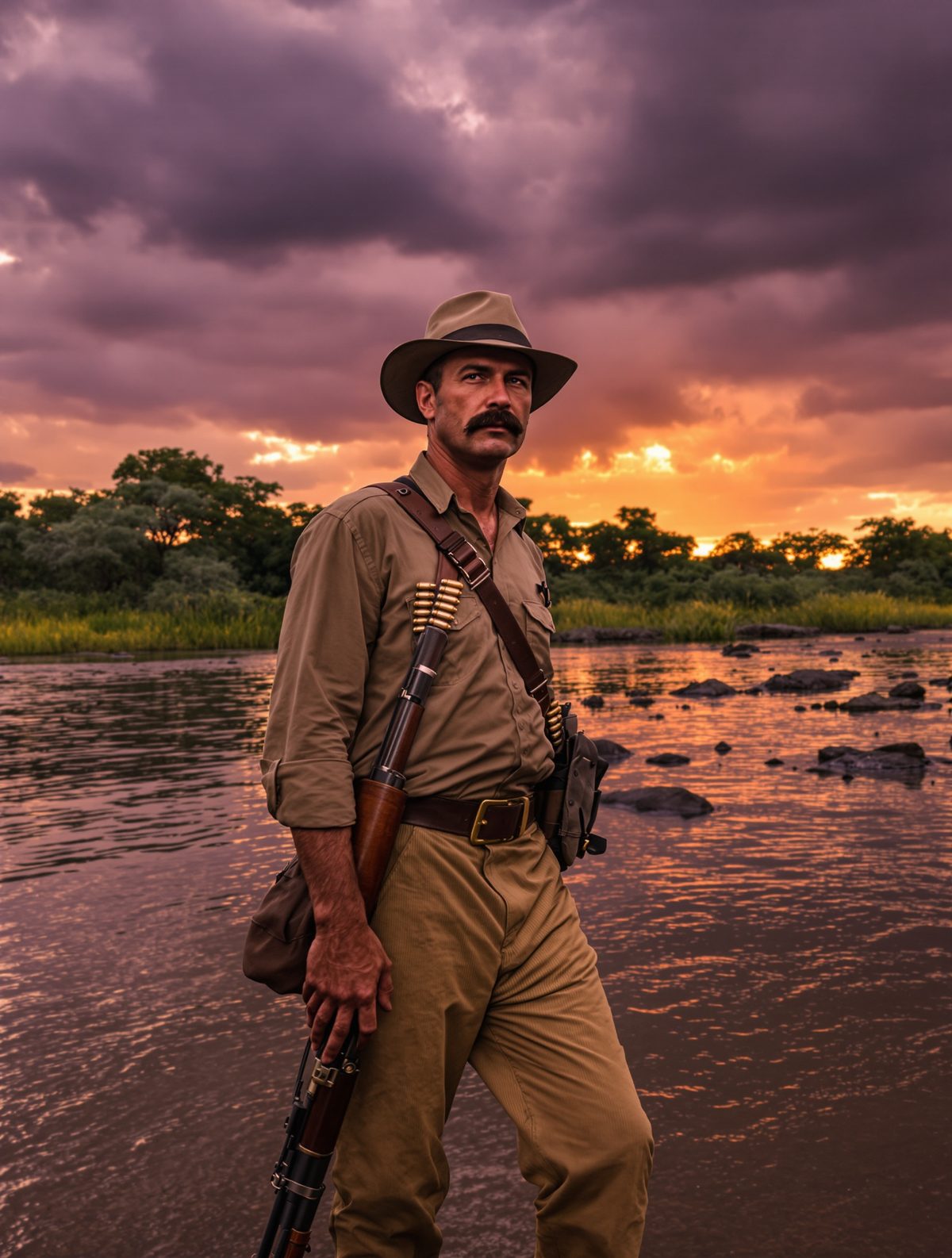
“To venture into the Taklamakan means to court death,” the locals whispered, eyes wide with fear. Even in the early 20th century, the dreaded "Desert of Death" guarded its secrets with unforgiving harshness, swallowing entire caravans whole. Yet, in the winter of 1900, beneath a shroud of moonlit frost, a lone figure dared to tread where even the most seasoned traders feared to follow. With the companion of four amiable but transient dogs and a singular, burning ambition, Sir Aurel Stein embarked on an audacious quest that would forever change our understanding of human history.
A Scholar with a Vision
Sir Marc Aurel Stein was not your typical intrepid explorer. Born in Hungary on November 26, 1862, and later a British national, Stein was an amalgamation of scholar, archaeologist, and dreamer. Fluent in seven languages, he possessed a fervent curiosity about the ancient Silk Road — that legendary trade route that once connected East and West in a tapestry of cultures and commerce. By the dawn of the 20th century, Stein was obsessed with finding the lost cities rumored to slumber beneath the merciless sands of the Taklamakan Desert.
Though Stein had penetrated the edges of the desert region before, amassing significant archaeological finds, his thirst for discovery was unquenched. Chinese antiquities, tales of ancient civilizations, and whispers of forgotten knowledge drew him irresistibly deeper. Yet this new venture, conceived in winter’s icy grip without caravan or guide, was an endeavor of seemingly insane proportions. What spurred Stein to abandon the conventional wisdom that stressed safety in numbers? Pure audacity and unyielding belief in his mission.
A Bleak and Bloody Expansive Sea
Known for its unforgiving nature, the Taklamakan Desert stretches over 330,000 square kilometers in China's Xinjiang region. To the untrained eye, the expanse appears nothing but an endless, shifting sea of sand dunes. Temperatures shift from bone-chilling at night to searing in the daytime, even during the winter months. Few who ventured inside ever emerged to tell their tales, hence the chilling local adage, “You enter and you won’t come out.”
In December 1900, with temperatures plummeting to lethal lows and compounded by biting winds, Stein embarked on his journey. His only companions were not soldiers or seasoned navigators, but four sled dogs — Dash II, Lassie, and two others whose names have faded into history. These faithful but ultimately unreliable companions provided both company and necessary labor to pull his modest supplies across the hostile terrain.
An Unexpected Discovery
After weeks of grueling travel, Stein reached the ruins of Dandan-Uiliq, an ancient city long buried beneath the sands. As he sifted through the remnants of past lives, Stein unearthed a cache that even he could scarcely believe. Manuscripts, beautifully preserved in the dry desert air, emerged from the sands like relics of a past world, waiting to speak again. Transcriptions in Sanskrit, Chinese, and Tibetan lay hidden in these humble confines, untouched for centuries.
Among these treasures was a series of documents belonging to Buddhist monks. Among the finds was the now-famous Diamond Sutra — the world’s oldest surviving dated printed book, produced in around 868 AD. This discovery was akin to finding a chapel buried beneath the rubble of history, proving the profound impact Buddhism had in ancient East-Asian civilizations.
The Price of Glory
While the spoils of Stein's expedition would redefine historical narratives and attract worldwide scholarly attention, the price was steep. The harsh winter took its toll. Stein suffered from frostbite, nearly losing his feet to the bitter cold. His loyal dogs, valiant until their final breath, perished one by one, forming a poignant testament to both the triumphs and tragedies so often intertwined in the annals of exploration.
Critics have since debated the ethical implications of Stein’s actions, particularly the removal of cultural artifacts from their indigenous land. To some, he is viewed as a bold preserver of history; to others, a relic thief. This dichotomy fuels ongoing dialogue about the moral responsibilities tied to archaeological discoveries.
Why Stein’s Journey Resonates Today
Stein’s extraordinary crossing of the Taklamakan Desert is not just a tale of human endurance and scholarly pursuit — it is a testament to the undeniable lure of the unknown. His relentless determination to bring lost histories to light parallels the human drive for knowledge and understanding. In today’s world, amid discussions about cultural heritage and preservation, Stein’s journey offers both inspiration and a cautionary tale.
As we continue to unearth the secrets of our past, we find ourselves pondering how best to honor and protect these ancient legacies. Stein’s epic endeavor, filled with both triumphs and cost, underscores the importance of approaching our past with sensitivity, respect, and a careful appreciation of the narratives we may yet uncover.
The footprints Stein left in the frozen sands of the Taklamakan may have long vanished, but his legacy — and the voices of those ancient manuscripts — endures, echoing across the ages in a story that truly was, and still is, *Empire Untold*.