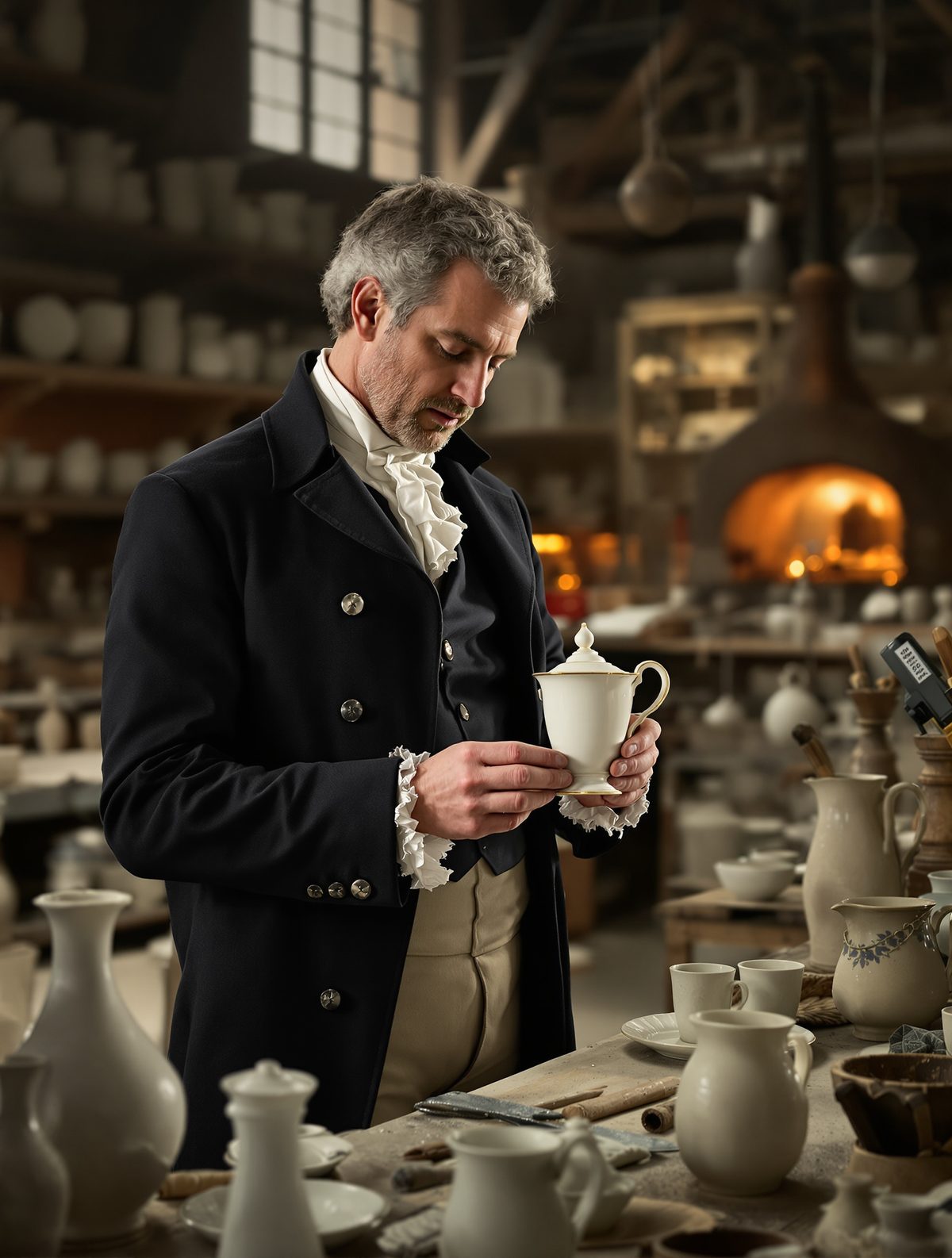
Picture this: a rough-hewn Tasmanian farmer stands on the deck of a small schooner, squinting across the choppy waters of Bass Strait in May 1835. In his hold are 40 woolen blankets, 30 tomahawks, 100 knives, 50 pairs of scissors, 30 mirrors, 200 handkerchiefs, 100 pounds of flour, and 6 shirts. To most observers, John Batman looked like a modest trader heading to barter with Aboriginal tribes. In reality, he was about to execute one of the most audacious real estate deals in human history—purchasing 600,000 acres of pristine wilderness for the equivalent of a few hundred dollars. That wilderness would become Melbourne, Australia's glittering second city.
What Batman didn't know as his vessel Rebecca cut through the swells was that he was setting in motion events that would spark a land rush, infuriate colonial authorities, and create a legal precedent that would echo through Australian courts for decades. This is the story of how one man's brazen gamble transformed a sleepy bay into a metropolis—and why the "Batman Treaty" remains one of history's most controversial property transactions.
The Rogue Colonizer Sets His Sights
John Batman was no gentleman settler. Born in 1801 in New South Wales to convict parents, he had clawed his way up from nothing to become a successful grazier in Van Diemen's Land (now Tasmania). By his thirties, Batman owned thousands of acres and ran substantial flocks, but like many ambitious colonists, he hungered for more. The problem was simple: good land in Tasmania was becoming scarce and expensive.
Batman had heard tantalizing reports about the mainland across Bass Strait. Port Phillip Bay, explorers whispered, was surrounded by endless grasslands perfect for sheep and cattle. The climate was mild, fresh water abundant, and—crucially—no European had yet established a permanent settlement there. In Batman's mind, this represented the opportunity of a lifetime.
But there was a catch. The British Colonial Office in Sydney strictly controlled mainland settlement, requiring expensive licenses and official approval. Batman, never one to let bureaucracy stand in his way, devised a radical alternative: he would buy the land directly from its Aboriginal inhabitants. If the Crown recognized native title, surely they would recognize a legitimate purchase?
In early 1835, Batman formed the Port Phillip Association with fellow Tasmanian investors, each contributing funds for his expedition. They weren't just backing a land grab—they were financing what amounted to a private colonial venture, complete with surveyor, interpreter, and enough trade goods to make serious offers to local chiefs.
The Treaty That Shook an Empire
On June 6, 1835, near present-day Melbourne's northern suburbs, John Batman achieved what he believed would make him one of the richest men in the colony. Meeting with eight Wurundjeri elders led by chiefs Jagajaga and Cooloolock, Batman spread out his trade goods and proposed an extraordinary bargain.
The negotiations were conducted through Batman's Aboriginal guide, a Tasmanian man known as John, who served as interpreter. What exactly was communicated remains one of history's great questions. Batman believed he was purchasing outright ownership of 600,000 acres—roughly the size of Rhode Island. The Wurundjeri elders may have thought they were agreeing to shared use of country, following traditional protocols for allowing passage and temporary settlement.
The final "treaty" was scratched out on paper in Batman's rough handwriting. In exchange for 500,000 acres around Port Phillip Bay, Batman offered: 20 pairs of blankets, 30 tomahawks, 100 knives, 50 scissors, 30 looking glasses, 200 handkerchiefs, 100 pounds of flour, and 6 shirts. A separate agreement for an additional 100,000 acres cost another 20 blankets, 30 tomahawks, 50 knives, 12 scissors, 50 handkerchiefs, 12 red shirts, 4 flannel jackets, 4 suits of clothes, and 50 pounds of flour.
But here's the detail that makes this story even more remarkable: Batman promised annual rent. Every year, he would provide 100 pairs of blankets, 100 tomahawks, 100 knives, 100 scissors, 100 mirrors, 200 handkerchiefs, 100 pounds of flour, and 6 shirts. This wasn't just a purchase—it was Australia's first property lease agreement.
Eight Wurundjeri men made their marks on the document, though whether they understood they were signing away their ancestral lands in perpetuity remains deeply contested. Batman sailed back to Tasmania convinced he had just pulled off the deal of the century.
When News Reached Sydney: Colonial Panic
Governor Richard Bourke in Sydney received Batman's treaty with something approaching apoplexy. Here was a private citizen negotiating international agreements, purchasing vast territories, and establishing unauthorized settlements—all without colonial oversight. If Batman succeeded, what would stop every ambitious settler from cutting their own deals with Aboriginal groups across the continent?
Bourke moved swiftly to crush Batman's ambitions. On August 26, 1835, he issued a proclamation declaring the treaty "void and of no effect." The Governor invoked the legal principle of terra nullius—that Australia had been empty land belonging to no one before European arrival. If Aboriginal people had no legal ownership, Bourke argued, they certainly couldn't sell what they didn't possess.
But Bourke faced a practical problem: Batman's settlers were already clearing land and building houses around Port Phillip Bay. His associate John Pascoe Fawkner had arrived with additional colonists, and word of the rich grasslands was spreading across Tasmania. Trying to remove the squatters might provoke open rebellion.
The Governor's solution was typically bureaucratic and brilliant. Rather than forcibly evict Batman's people, Bourke would legitimize their presence through official channels. In September 1835, he dispatched Captain William Lonsdale to establish a proper government settlement at Port Phillip Bay. The squatters could stay, but they would pay Crown rent and follow colonial law.
The Birth of Melbourne (and a Legal Headache)
What happened next transformed Australian history. Bourke's attempt to control the situation backfired spectacularly, triggering the largest voluntary migration in the continent's colonial period. Word spread through Tasmania, Sydney, and even London that Port Phillip Bay offered unlimited opportunities for farmers, merchants, and speculators. Ships began arriving weekly, disgorging hundreds of settlers onto the muddy banks of the Yarra River.
By 1837, the settlement boasted over 3,000 residents. Streets were surveyed, businesses established, and land prices soared. The town was officially named Melbourne after British Prime Minister William Lamb, 2nd Viscount Melbourne, but locals still referred to the original settlement area as "Batman's Hill."
Batman himself profited handsomely, though not quite as he had planned. Though his treaty was legally worthless, his early arrival gave him first pick of prime locations. He established himself as a successful publican and landowner, watching his illegal settlement transform into a thriving city.
The legal ramifications of Batman's treaty proved more persistent than the document itself. For decades, Australian courts grappled with questions raised by the Port Phillip purchase: Did Aboriginal people possess property rights before European settlement? Could private citizens negotiate with indigenous groups? What constituted legitimate land ownership in a colonial context?
These questions would resurface repeatedly in Australian legal history, ultimately contributing to landmark cases like Mabo v Queensland in 1992, which finally recognized Aboriginal land rights under Australian law—157 years after Batman's audacious experiment.
The Man Behind the Myth
John Batman died in 1839, just four years after his famous treaty, succumbing to syphilis at age 38. His death came as Melbourne was transforming from frontier settlement to colonial powerhouse, but Batman never lived to see his muddy outpost become Australia's second-largest city.
History has not been kind to Batman's memory, and for good reason. His earlier career included leading brutal raids against Aboriginal Tasmanians, and his "purchase" of Melbourne occurred during a period of devastating dispossession for indigenous Australians. The Wurundjeri people who signed his treaty saw their traditional lands overrun by sheep, their water sources polluted, and their communities scattered.
Yet Batman's story reveals something significant about colonial Australia that textbooks often miss: the improvised, chaotic nature of European settlement. This wasn't a carefully planned imperial project, but a series of individual gambles by ambitious opportunists willing to risk everything for a chance at fortune.
Batman's treaty also represents a fascinating "what if" moment in Australian history. Had the Colonial Office recognized Aboriginal land rights and legitimate indigenous treaties, the continent's development might have followed a dramatically different path—one involving negotiation rather than dispossession, shared ownership rather than wholesale appropriation.
Today, Melbourne spreads across those 600,000 acres Batman purchased for 40 blankets and some flour, home to nearly 5 million people and generating hundreds of billions in economic activity annually. Batman's Hill was eventually flattened for railway construction, but his name persists on street signs and in local folklore—a reminder of the day one man's outrageous real estate gamble helped birth a metropolis.
The story of John Batman and his treaty raises uncomfortable questions that remain relevant today: Who has the right to buy and sell land? What makes property ownership legitimate? And when ambitious individuals circumvent official channels to pursue their dreams, who pays the ultimate price? In Batman's case, the answers reveal as much about colonial Australia's contradictions as they do about one man's remarkable audacity.