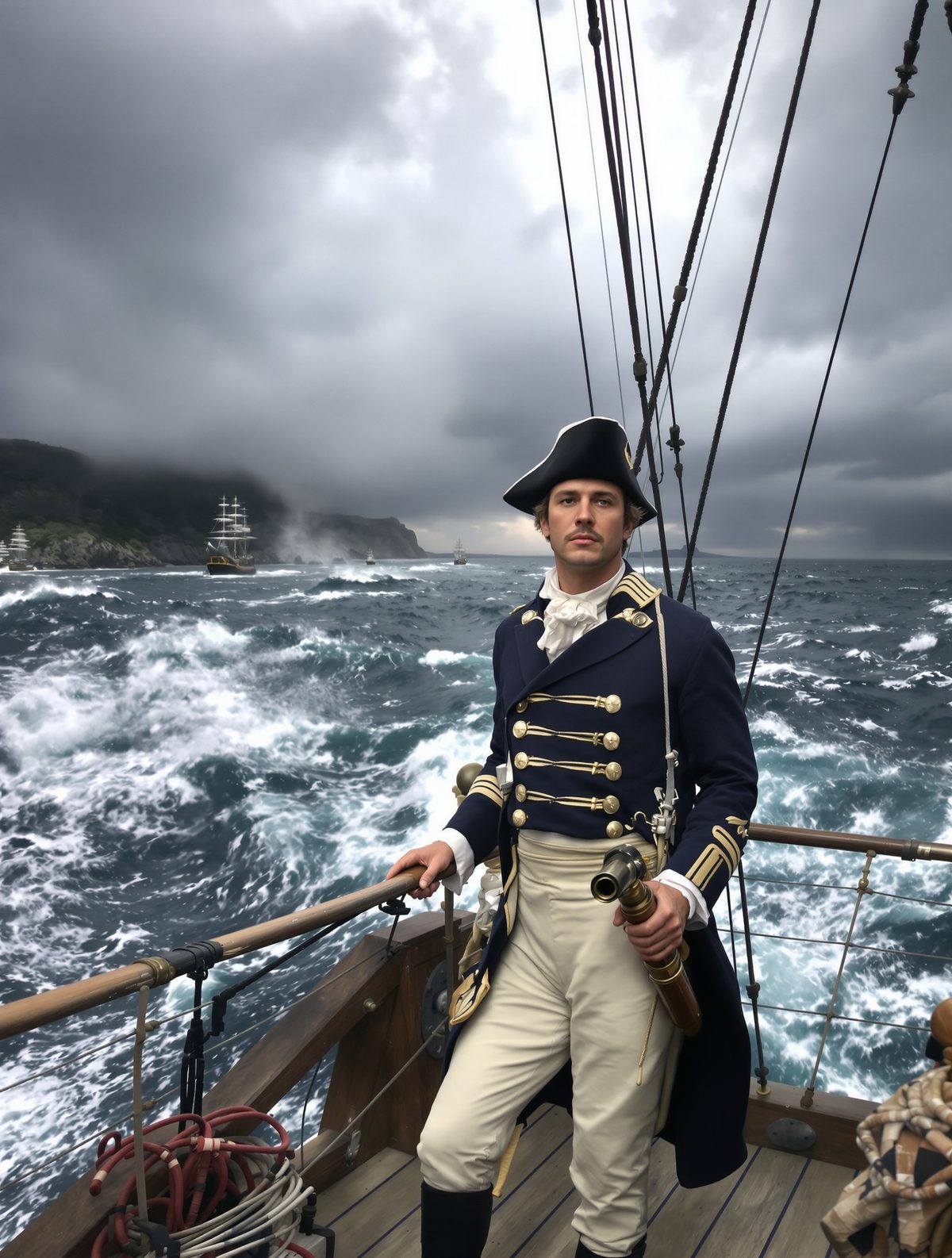
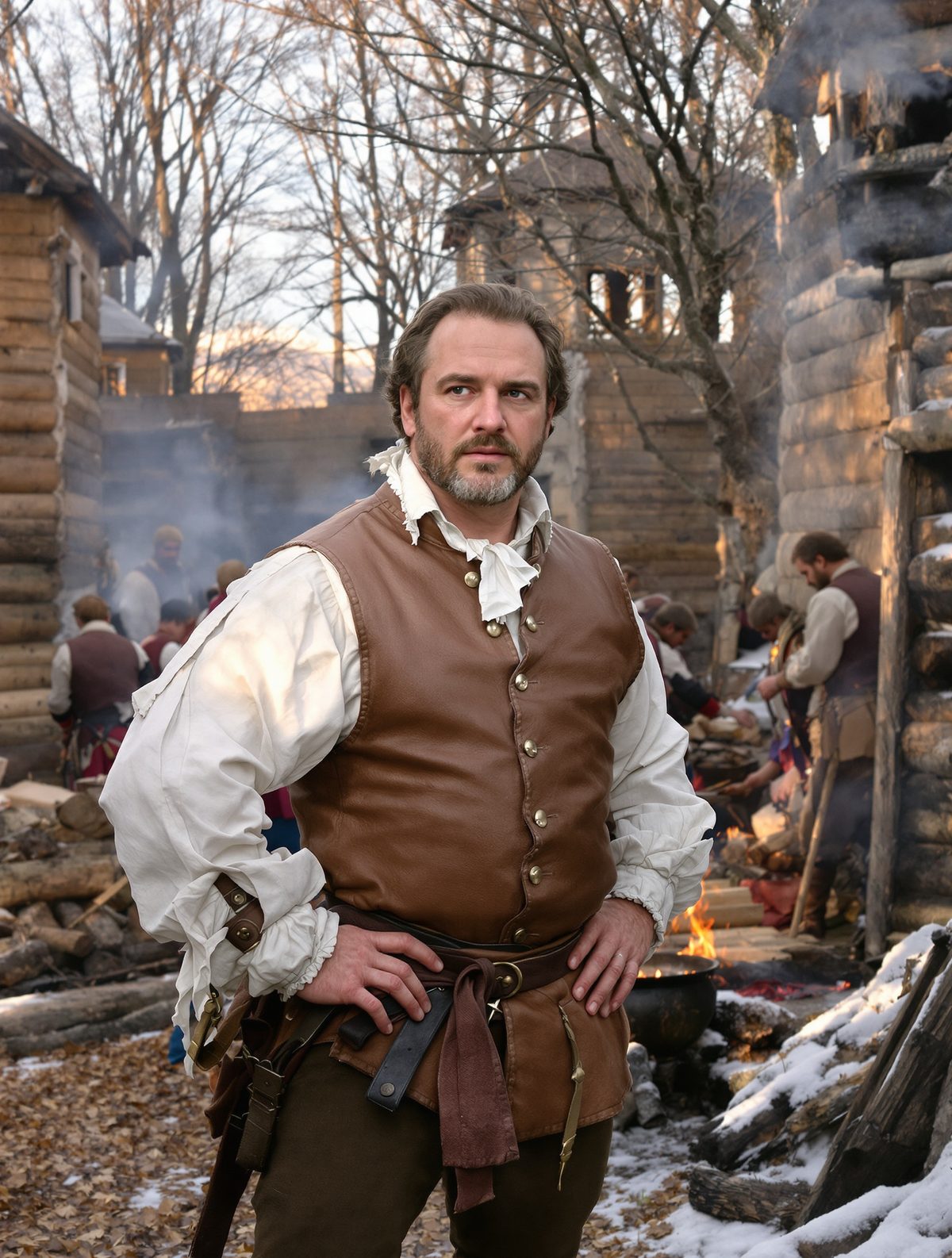
Picture this: It's 1612, and the once-promising Jamestown Colony is literally dying on its feet. Dead bodies pile up faster than graves can be dug. Skeletal survivors gnaw on leather boots and tree bark. Ships arrive from England only to turn around and sail home, their captains unwilling to disembark into what looks like a scene from hell. The Virginia Company's investors are hemorrhaging money, and whispers in London suggest it might be time to abandon this American nightmare altogether.
Then a widower named John Rolfe does something that changes everything. He plants four acres of contraband tobacco seeds.
Within five years, those four acres would trigger the most dramatic economic transformation in early American history. Jamestown's streets would be literally carpeted with golden tobacco leaves drying in the sun. Ships that once brought supplies would return to England groaning under the weight of tobacco barrels. And Virginia would evolve from England's most expensive mistake into its most profitable colony.
This is the story of how one man's agricultural gamble saved a dying colony and accidentally created America's first economic boom.
The Starving Time: When Dreams Turned to Nightmares
To understand the magnitude of Rolfe's achievement, you need to grasp just how catastrophically Virginia was failing by 1612. The colony had burned through an astronomical £75,000 of investor money—roughly £15 million in today's currency—with virtually nothing to show for it except mounting death tolls and increasingly desperate letters home.
The infamous "Starving Time" of 1609-1610 had reduced Jamestown's population from 500 to a mere 60 survivors. These weren't just statistics; they were human beings driven to unthinkable acts. Archaeological evidence uncovered in 2013 revealed the remains of a 14-year-old girl whose skull showed clear signs of cannibalism. The colonists had literally been eating their dead.
Even after relief supplies arrived, Virginia remained a economic black hole. The colonists had tried everything: they'd searched frantically for gold (finding none), attempted to produce glass and pitch (both ventures failed miserably), and even tried to cultivate silkworms (which promptly died in the Virginia climate). The local tobacco they attempted to grow was so harsh and bitter that English smokers called it "poor man's tobacco," suitable only for the desperately addicted.
By 1612, the Virginia Company was facing a simple reality: find a profitable export crop, or watch their American dream collapse entirely.
The Widower's Dangerous Gamble
Enter John Rolfe, a man whose personal tragedy would inadvertently save a colony. Rolfe had arrived in Virginia in 1610 after a harrowing shipwreck in Bermuda that killed his wife and infant daughter. Broken but determined, he threw himself into agricultural experiments with the focused intensity of a man who had nothing left to lose.
But Rolfe harbored a secret that could have gotten him executed: hidden among his personal belongings were seeds of Nicotiana tabacum—the sweet Spanish tobacco that was making Spain fabulously wealthy in their Caribbean colonies. Exporting these seeds from Spanish territories was punishable by death, and smuggling them was an act of international economic espionage.
How did Rolfe acquire these contraband seeds? Historical records remain frustratingly vague, but evidence suggests he obtained them during his unexpected stay in Bermuda, possibly through contact with Spanish shipwreck survivors or through the island's thriving black market trade networks. What we know for certain is that in 1612, Rolfe quietly planted these precious seeds in four experimental acres near Jamestown.
The gamble was enormous. If the climate proved unsuitable, if the soil composition was wrong, if any of a hundred variables went awry, Rolfe would have wasted his illegal seeds and the colony would remain trapped in its death spiral. But if it worked...
Golden Leaves: The Miracle Harvest
The Virginia soil embraced Spanish tobacco like a long-lost lover. Rolfe's experimental plants grew larger and more robust than anyone dared hope. When the leaves were harvested, cured, and tested, the result was nothing short of miraculous: tobacco that was every bit as smooth and sweet as the Caribbean varieties that commanded premium prices in London.
The first small shipment to England in 1614 caused a sensation. London tobacco merchants, accustomed to harsh Virginia leaf that burned the throat and tasted like charred weeds, couldn't believe these golden leaves came from the same failing colony. Orders poured in faster than Virginia could fulfill them.
Rolfe had cracked the code. Virginia tobacco was selling for three shillings per pound—when you could get it. In a colony where a man's annual wages might be £10, a single acre of tobacco could yield £200 in profit. It was as if Rolfe had discovered alchemy, transforming Virginia soil into literal gold.
But here's the detail that really illuminates the magnitude of this transformation: by 1617, just five years after Rolfe's first planting, tobacco was growing everywhere in Jamestown. And we mean everywhere. Contemporary accounts describe tobacco plants growing in the streets, in the marketplace, even in the courtyard of the church. The colonists were so obsessed with maximizing their tobacco acreage that they were planting it in every available square foot of soil.
The Tobacco Rush: From Survival to Boom Town
What happened next was America's first economic gold rush, except the treasure was growing in the ground. Ships that had once struggled to find cargo for their return voyages to England were now fighting for space to carry tobacco barrels. The transformation was so rapid it seemed almost supernatural.
Consider these staggering numbers: In 1616, Virginia exported 2,300 pounds of tobacco. Just three years later, in 1619, that figure had exploded to 20,000 pounds. By 1628, Virginia was shipping an astronomical 500,000 pounds of tobacco annually to England. Each pound represented pure profit that flowed back into the colony's economy.
The social transformation was equally dramatic. Men who had been starving in 1612 were now wealthy landowners by 1620. New settlers poured into Virginia, drawn by stories of ordinary farmers making fortunes from tobacco cultivation. Land prices skyrocketed as every acre became potentially valuable tobacco territory.
But perhaps the most telling indicator of tobacco's impact was this: by 1618, tobacco had become so valuable that it was literally being used as currency. Colonists paid their taxes in tobacco, bought goods with tobacco, and even paid their church tithes in tobacco leaves. Virginia had accidentally created America's first cash crop economy.
The Virginia Company, which had been desperately seeking investors just years earlier, was now turning away potential settlers because the colony couldn't accommodate the flood of people desperate to try their hand at tobacco farming.
The Dark Seeds of Empire
Rolfe's tobacco revolution solved Virginia's immediate survival crisis, but it planted seeds that would grow into America's greatest moral catastrophe. The explosive demand for tobacco created an equally explosive demand for labor, and that demand would soon be met by enslaved Africans.
The first documented Africans arrived in Virginia in 1619—just seven years after Rolfe's first tobacco planting—when a Dutch ship traded "20 and odd" African prisoners for supplies. Initially, these Africans worked alongside white indentured servants under similar conditions. But as tobacco profits soared and labor demands intensified, Virginia's laws increasingly distinguished between white servants (who would eventually earn freedom) and African workers (who would not).
By 1640, Virginia court records show clear legal distinctions being made based on race, with African workers sentenced to lifelong bondage while white workers received limited terms of service. Rolfe's agricultural miracle had created an economic engine so profitable that colonists were willing to abandon their moral principles to keep it running.
This tragic irony haunts Rolfe's legacy: the crop that saved Virginia from extinction also condemned hundreds of thousands of Africans to slavery. The four acres that rescued a dying colony grew into plantations that would perpetuate human bondage for over two centuries.
When Everything Changed Forever
John Rolfe died in 1622, just ten years after his first tobacco planting, likely killed in an Indian attack that claimed hundreds of Virginia colonists. He lived just long enough to see his agricultural experiment transform into an unstoppable economic juggernaut, but not long enough to witness the full scope of what he had unleashed.
Today, it's easy to dismiss tobacco as a historical footnote—a crop that enriched some planters before we understood its health consequences. But that perspective misses the profound magnitude of what Rolfe accomplished in those four experimental acres. He didn't just save a failing colony; he accidentally created the economic foundation for English expansion across North America.
The profits from Virginia tobacco financed the establishment of new colonies, funded the infrastructure that would become the United States, and generated the wealth that allowed colonial Americans to eventually challenge British rule. Without Rolfe's agricultural gamble, there might never have been a Revolutionary War, because there might never have been a viable English colony capable of sustaining rebellion.
In our modern world of venture capital and startup culture, we celebrate entrepreneurs who "pivot" failing companies into successful enterprises. John Rolfe executed perhaps the most consequential business pivot in American history—transforming a dying settlement into an economic powerhouse with nothing more than contraband seeds and Virginia soil.
His story reminds us that history's greatest transformations often emerge from individual moments of desperate innovation. Sometimes, when everything seems lost, salvation comes not from grand strategies or massive investments, but from one person willing to plant seeds in the dark and gamble everything on an uncertain harvest.