The British officer adjusted his cap and stepped closer to the young Irishman on the bicycle. It was a crisp Dublin morning in 1920, and another routine checkpoint was underway. The cyclist, dressed in a simple suit with a cheerful demeanor, chatted amicably about the weather while soldiers rifled through his satchel. What they didn't realize was that they were face-to-face with Michael Collins—the most wanted man in the British Empire, worth £10,000 dead or alive. As the officer waved him through with a friendly nod, Collins tipped his cap, mounted his bicycle, and pedaled away into legend.
For nearly two years during Ireland's War of Independence, Collins played the ultimate game of hide-and-seek with the most powerful military force in the world. But instead of hiding in caves or safe houses, he did something far more audacious: he hid in plain sight, transforming the bustling streets of Dublin into his personal theater of invisibility.
The Art of Ordinary
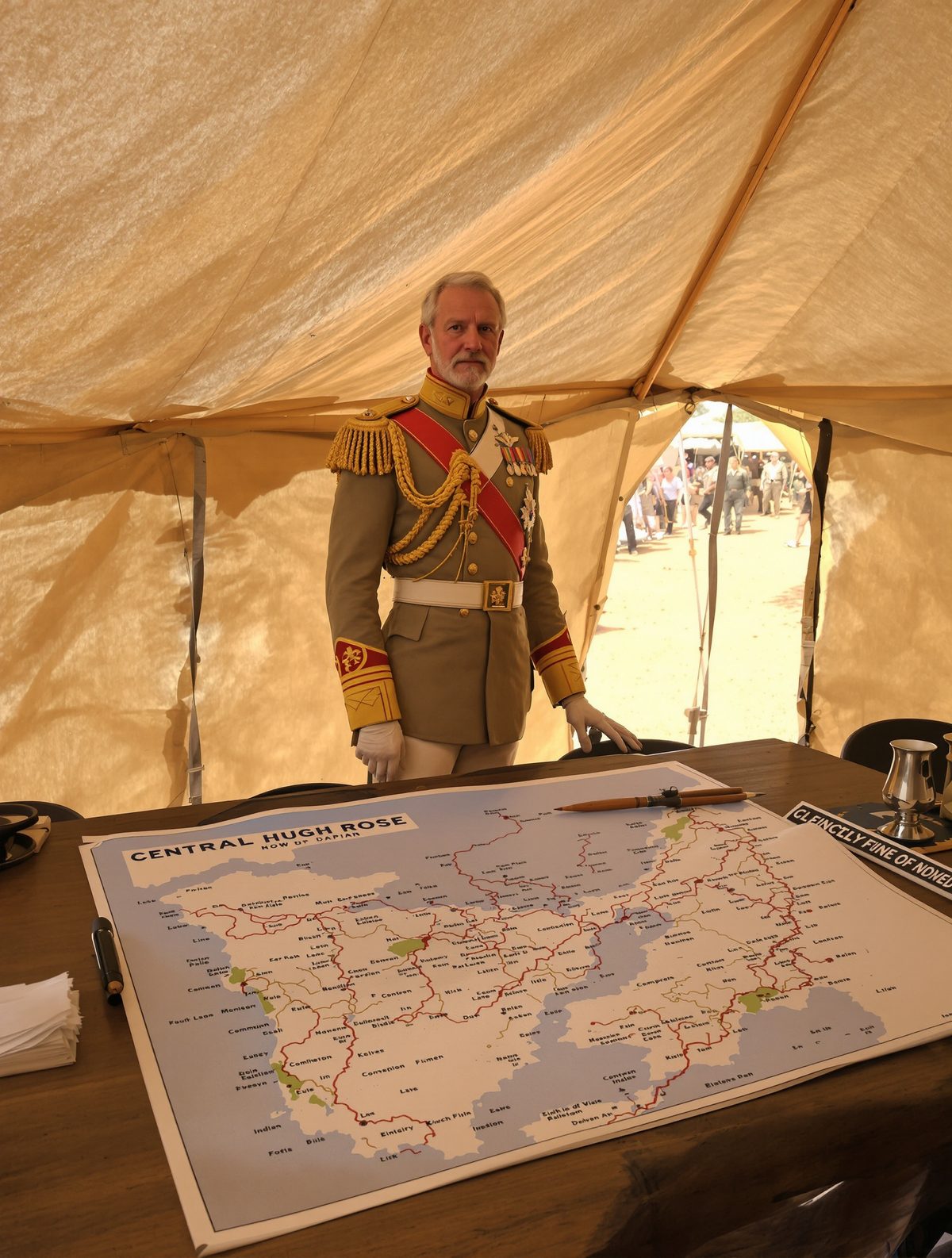
Michael Collins understood something that most fugitives never grasp—sometimes the best disguise is no disguise at all. While the British searched every shadowy alley and raided suspected safe houses, Collins conducted his revolution from the most unlikely headquarters: government buildings, hotels, and even Dublin Castle itself.
Standing six feet tall with broad shoulders and an infectious smile, Collins was hardly built for skulking in shadows. Instead, he weaponized his natural charisma and transformed it into camouflage. He would stride confidently through the ornate corridors of government buildings where British officials worked mere yards away, his leather briefcase containing intelligence reports that could topple administrations.
His favorite meeting spot was the Wicklow Hotel on Wicklow Street, where he'd hold court in the lobby, discussing revolutionary strategy while British officers enjoyed their afternoon tea just tables away. The hotel's manager, who was secretly sympathetic to the Irish cause, would simply introduce Collins as "Mr. Murphy from Cork" to any curious onlookers.
But perhaps most remarkably, Collins maintained an office at 76 Harcourt Street—a stone's throw from British military headquarters. He installed a back exit for emergencies, but rarely needed it. British officials would sometimes visit the same building for meetings, unknowingly sharing elevators with Ireland's most wanted man.
Cycling Through Checkpoints
Collins' daily commute became the stuff of legend. Every morning, he would mount his trusty bicycle and navigate through a city bristling with soldiers actively hunting him. Dublin in 1920 resembled an occupied fortress, with over 40,000 British troops and police conducting random searches, raids, and identity checks throughout the day.
The secret to Collins' success lay in his meticulous preparation and psychological warfare. He studied the patterns of every checkpoint, memorized the faces of officers, and most importantly, mastered the art of confident small talk. British soldiers were looking for a dangerous revolutionary—someone furtive, nervous, or suspicious. Instead, they encountered a jovial Irishman who'd chat about hurling scores or complain about the Dublin weather with such natural ease that suspicion never entered their minds.
On one particularly audacious occasion in March 1921, Collins was stopped at a checkpoint on Dame Street by a young British lieutenant who seemed unusually thorough. As the officer examined Collins' forged identification papers, he began asking detailed questions about Collins' supposed job as an insurance salesman. Without missing a beat, Collins launched into an enthusiastic explanation of actuarial tables and premium calculations, even offering to sell the lieutenant a policy for his sweetheart back in England. The officer, thoroughly bored and convinced, waved Collins through while apologizing for the delay.
Tea with the Enemy
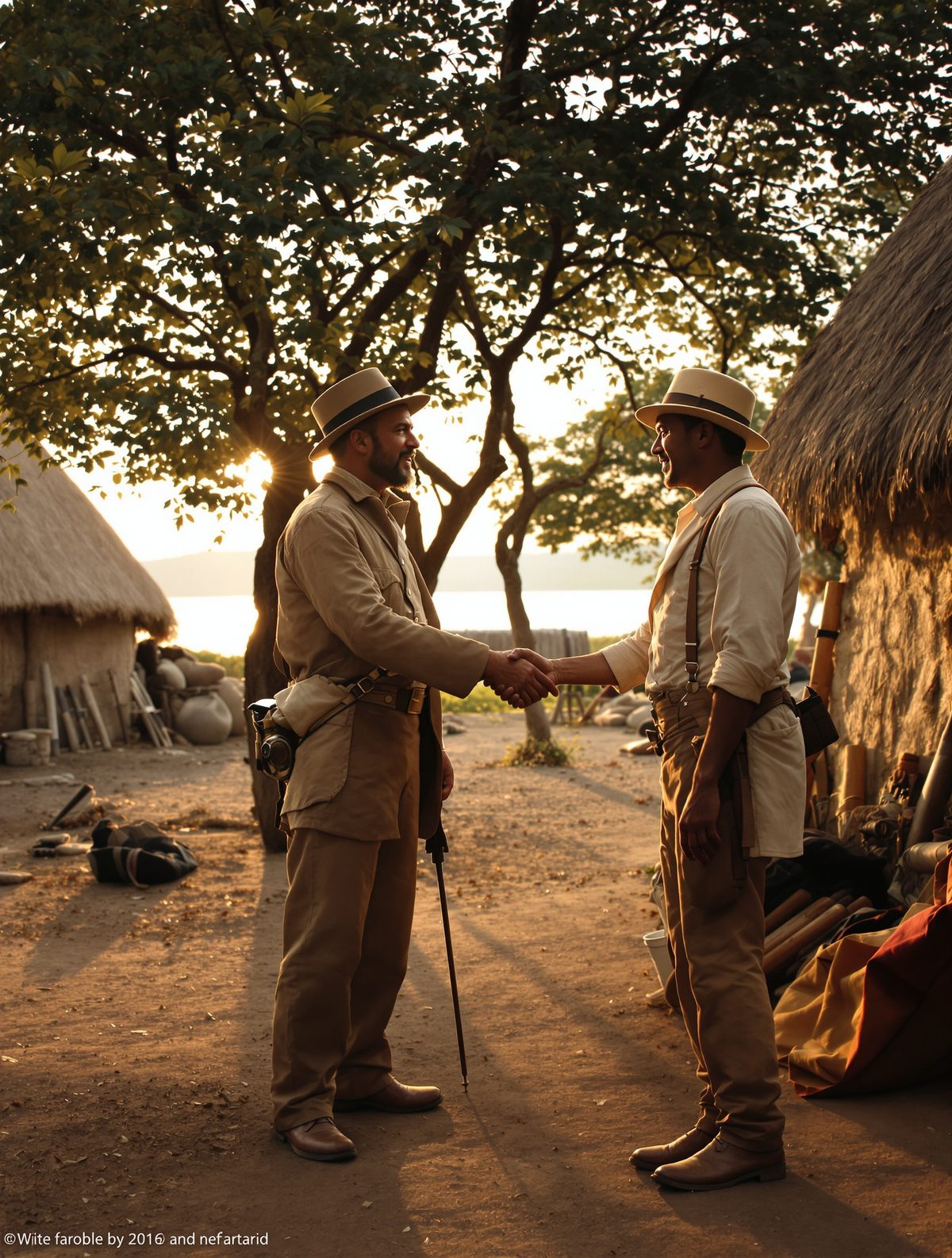
Perhaps the most extraordinary aspect of Collins' wartime invisibility was his ability to socialize with the very people trying to capture him. He would frequently attend social gatherings where British officials were present, sometimes even engaging them in lengthy conversations about the "troublesome" Michael Collins.
At a charity fundraiser in the Shelbourne Hotel in February 1921, Collins found himself in conversation with Colonel James Stapleton-Cotton, who was coordinating intelligence efforts to capture the Irish leader. Over whiskey and cigars, Stapleton-Cotton complained bitterly about how Collins seemed to anticipate every British move. "It's as if the man has eyes and ears everywhere," the colonel lamented. Collins nodded sympathetically and suggested that perhaps the Irish had more support among the population than the British realized—advice that, ironically, helped Stapleton-Cotton develop more effective counter-intelligence strategies.
These encounters weren't just displays of Collins' audacity; they were intelligence goldmines. Through casual conversation, Collins gathered crucial information about British troop movements, planned raids, and strategic thinking. He would arrive at these gatherings as "Mickey Murphy," a gregarious businessman with opinions on everything from horse racing to politics, and leave with enough intelligence to stay three steps ahead of his pursuers.
The Network of Ghosts
Collins' ability to remain invisible wasn't a solo performance—it was supported by an intricate network of ordinary Dubliners who had transformed themselves into master spies and protectors. His intelligence network, known simply as "The Squad," included hotel clerks, postal workers, cleaning ladies, and even some British civil servants who had grown sympathetic to the Irish cause.
Mary MacSwiney, who worked as a typist in Dublin Castle, would slip Collins copies of confidential memos and raid plans. Paddy O'Daly, a tram conductor, used his routes through the city to carry messages and monitor British troop movements. Even children played crucial roles—young newspaper sellers would use coded phrases in their sales pitches to warn of approaching danger.
This network operated with such sophistication that Collins often knew about planned raids hours before they occurred. On the morning of April 12, 1921, British forces surrounded his supposed hideout on Mountjoy Street. Unknown to them, Collins had received warning the night before and was already safely positioned in a café across the street, calmly reading a newspaper while watching soldiers break down the door of an empty apartment.
The network's most audacious operation occurred when they managed to place an agent inside the British intelligence headquarters at Dublin Castle. For six months, Collins received copies of virtually every secret document related to counter-insurgency operations, allowing him to anticipate and counter British strategies with supernatural precision.
The Psychology of Invisibility
What made Collins' invisibility so effective wasn't just clever disguises or lucky breaks—it was his deep understanding of human psychology and social expectations. He recognized that British forces were looking for their preconceptions of what an Irish revolutionary should look like and act like. By deliberately defying those expectations, he rendered himself essentially invisible.
Collins studied the behavioral patterns of British officers and adapted his persona accordingly. He knew that they expected deference from Irish civilians, so he projected confidence without arrogance. He understood their cultural references and could discuss cricket scores or English literature with convincing enthusiasm. Most importantly, he mastered the art of being memorable for all the wrong reasons—officers would remember the funny Irish fellow who told great jokes, not realizing they should be remembering his face for a wanted poster.
The British military's own protocols worked against them. Their intelligence was compartmentalized, meaning that a soldier at a checkpoint might not have access to current photographs or detailed descriptions of Collins. Wanted posters were often outdated or inaccurate, showing Collins with facial hair he had long since shaved or in formal attire he never wore while moving through the city.
Legacy of the Invisible Revolutionary
Collins' reign as Dublin's invisible man came to an end not through British capture, but through the Anglo-Irish Treaty negotiations of 1921, when he emerged from the shadows to help forge Irish independence. The psychological impact of his two-year disappearing act had consequences far beyond military strategy—it demonstrated to the world that even the mighty British Empire could be outmaneuvered by intelligence, creativity, and sheer audacity.
Today, in our age of facial recognition technology, digital surveillance, and GPS tracking, Collins' achievement seems almost impossibly quaint. Yet his methods remain surprisingly relevant. Modern dissidents and activists still study his techniques of blending into crowds, understanding surveillance patterns, and most importantly, challenging assumptions about what dangerous people look like.
Collins proved that the most effective revolution isn't always the loudest one. Sometimes, the greatest act of defiance is simply refusing to live in fear, cycling through checkpoints with a smile, and having tea with your enemies while planning their defeat. In a world where we're increasingly monitored and tracked, Collins' story reminds us that true freedom might not come from hiding from power, but from walking boldly past it—confident that sometimes, the best place to disappear is right in front of everyone's eyes.