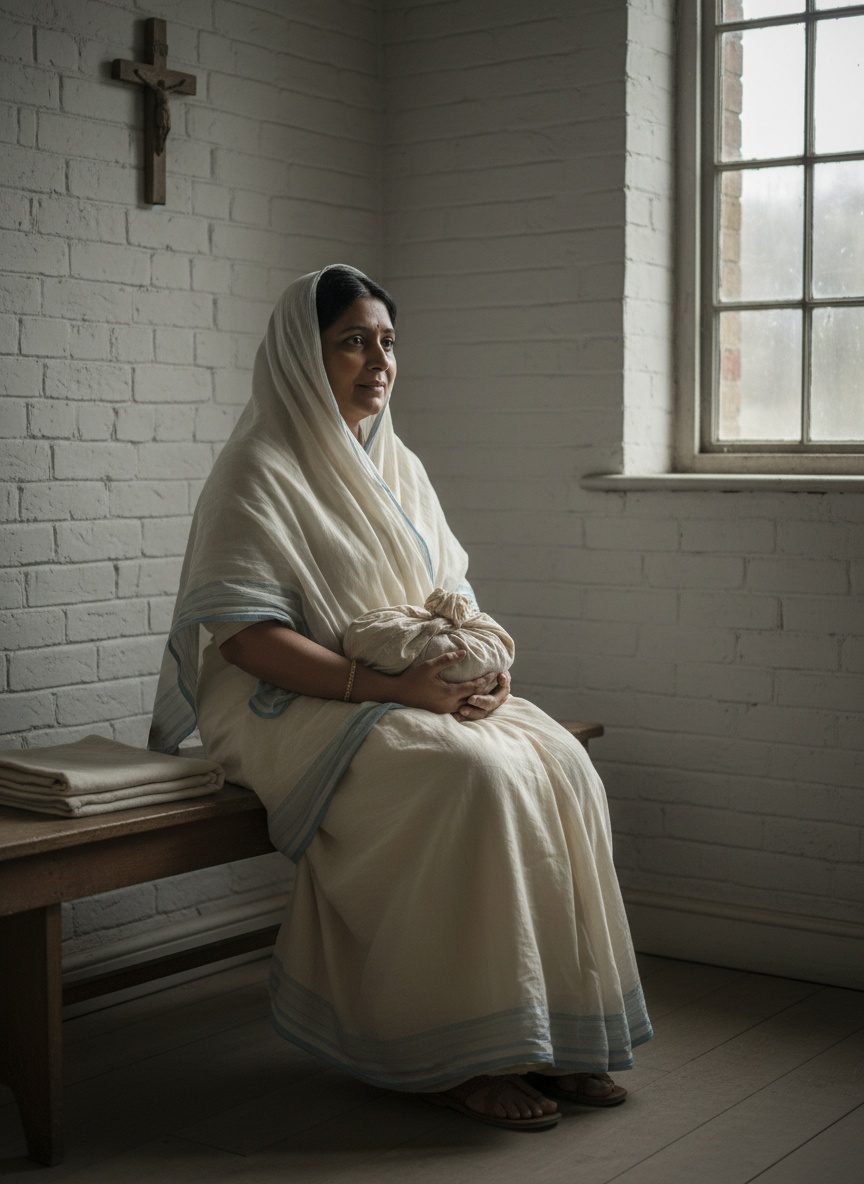
The air hung thick over the docks of the Thames, mist curling in the early morning light like fingers reaching into an uncertain future. The clamor of porters unloading crates and the distant horns of ships faded into the background as the figure of an Indian woman stood small against the vast canvas of maritime bustle. Her sari fluttered in the chill breeze, and her tired eyes captured a story of journeys untold in the chronicles of an empire. In one hand, she held the soft fingers of a child—a precious cargo that bore the weight of more than just a long voyage across the sea.
The Forgotten Caregivers of the Empire
In the waning years of the 19th century, as the British Empire sprawled across continents, the Indian subcontinent became a vital link in its vast network. Within this network, a peculiar role emerged: the ayahs. Hailing from the bustling cities and verdant villages of India, these nannies made transoceanic journeys to care for the children of British families posted in colonial outposts. Their journey often began in a crowded port like Calcutta, where they were hired to nurse and nurture infants during perilous voyages to England.
The ayahs were compassionate sentinels, bridging the fragile gap between maternal comfort and the rigors of sea travel. Yet, despite their indispensable role, their stories were often left unrecorded. On dreary docks in a foreign land, these women often found themselves stranded, forgotten by the families they served as soon as they reached British shores. Passages back to India vanished like the mist of a London morning, and without a residence or resources, ayahs waited for months—ghosts in an empire that thrived on their sacrifice.
A Journey of 4,000 Miles
Among the many, there was one ayah whose story charts an extraordinary journey of over 4,000 miles—an odyssey not just across oceans but through the labyrinth of empire's disregard. Upon arriving in London, she found herself dismissed without recourse. Determined, she held onto the responsibility of one child, whose family had not given her so much as a promise of return.
Her journey became one of resilience and quiet defiance, navigating the bustling streets of a city that oscillated between the grandeur of opulent parlors and the shadowy alleys where inaction spoke louder than words. While most yoked their future to chance, this ayah charted an unfamiliar landscape, seeking those who might lend their ear to her plight.
The Sanctuary at Bedford Square
It was here that a beacon of hope arose in the form of a sanctuary at Bedford Square. Pioneered by a socially conscious lady, herself awoken to the plight of stranded ayahs, this refuge became more than a shelter—it was a sanctuary stabilizing lives ayahs had chiseled out of cultural dissonance and economic estrangement. At Bedford Square, these women found solidarity and solace, an opportunity to regroup, and sometimes, the means to return home.
The tales within its walls were diverse—each woman's narrative braided with the comforts they provided to the sons and daughters of the Empire, juxtaposed against their own children that they had left behind. It was an asylum amassed not just with stories of neglect but of endurance bolstered by mutual aid. The ayah house proved to be a testament to resilience formed within shared struggle.
A Quiet, Unseen Legacy
Their stories remind us of an imperial tapestry woven with the hidden threads of personal sacrifice, threaded through by the hands that rocked cradles and offered comfort across formidable divides. The ayahs, mere whispers in the grand scheme of empire building, served as suffragists of sentiment, commissioned to carry the burdens of intimacy without reward.
As news of the plight of ayahs at Bedford Square trickled through veins of London society, empathy stirred among the affluent and practical assistance met the whispers of necessity. It was here, in these acts of notice and care, that the invisible hands of history began to emerge from the shadows. The efforts surrounding the ayah house challenged the normative imperial discourse, marking the genesis of a burgeoning societal awareness that would, in time, illuminate the coastline of conscience.
The Memory That Lingers
In the broader context of imperial history, the tale of the ayah, who walked 4,000 miles merely by resolve, highlights neglected narratives locked within the vaults of 'everyday' empire life. It is a whisper from the past that resonates with the silent courage of those whom history has often left unrecorded. By casting light on these hidden lives, we acknowledge the one who walked through bustling ports and foreign streets to embrace an embodiment of duty forged not by fate, but resolve.
This account enriches our understanding of interconnected histories—of how compassion silently braided the sinew of empire and charted courses away from disdain to valiant reliance. It's a reminder that the quiet acts of courage, compassion, and determination shape the legends history almost forgot. These are indeed the stories that textbooks left out, but they resonate through time, a lattice of forgotten footfalls in an ever-evolving narrative.