Few naval feats are more audacious than those of Admiral Lord Cochrane. Yet, his most astonishing act left thirty ships completely unharmed.
The Brink of Disaster
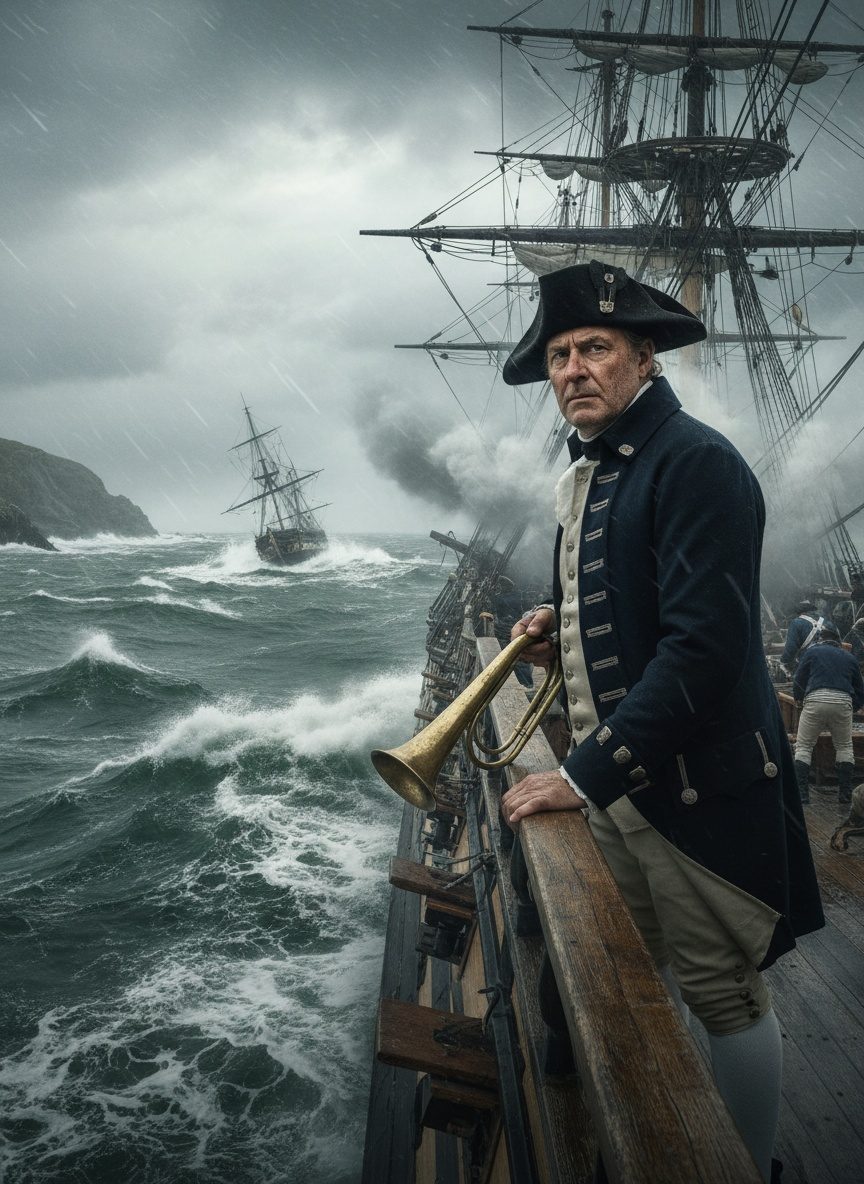
In the spring of 1806, the Atlantic was a vast chessboard where the stakes could not have been higher. Lord Cochrane, commanding the agile British frigate HMS Pallas, found himself deep in enemy waters near the Azores. The situation seemed insurmountable. Before him lay a coalition fleet, comprising thirty French and Spanish warships, vessels brimming with firepower and ready to cement Napoleon's dominance at sea. Outnumbered and seemingly cornered, Cochrane was about to perform a maneuver so risky that few sailors of his time would have dared to even consider, let alone execute.
Cochrane, however, was not like other men of the sea. He carried a reputation for cunning and bravery, often devising unconventional tactics that left his adversaries in disarray. The Atlantic was a domain where every shadow could be an enemy and every inch of the horizon a potential path to escape or engage. With no options for combat or retreat, Cochrane found himself relying on what had always served him best: his wits and a penchant for the unorthodox.
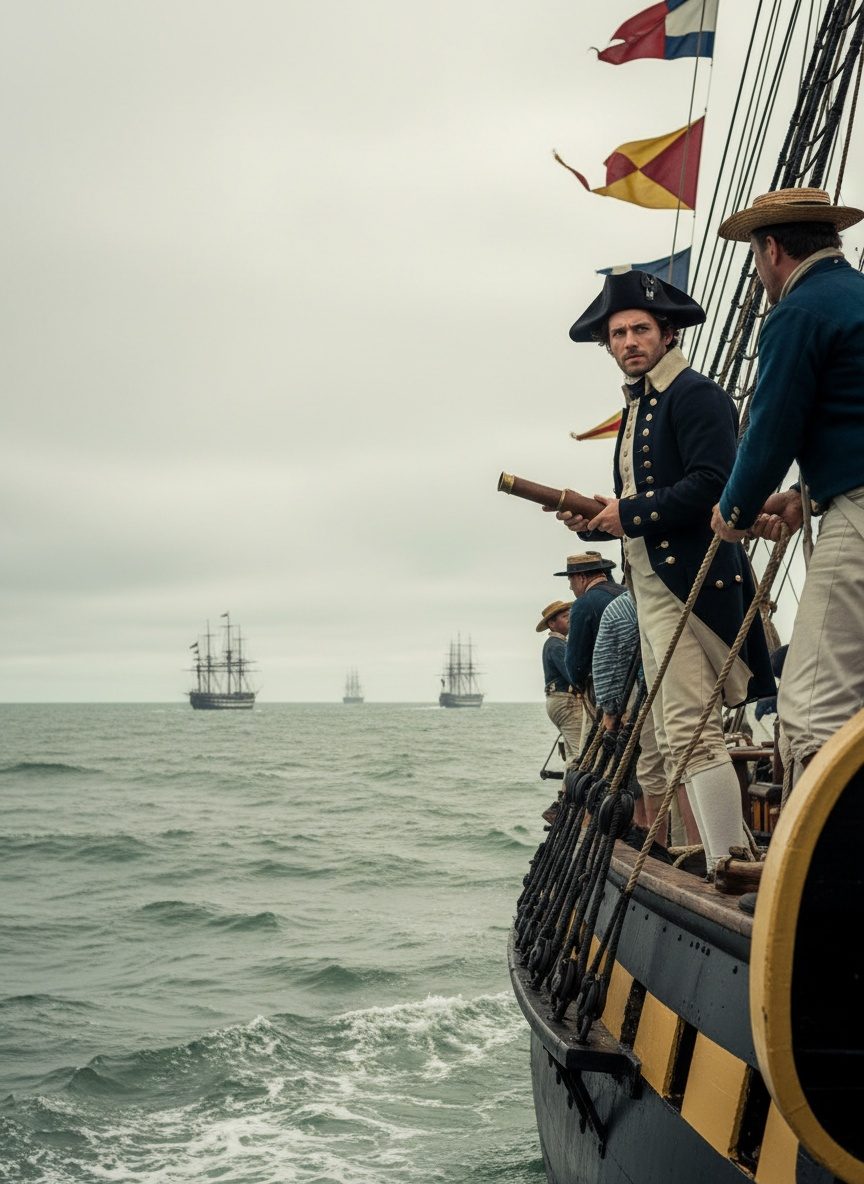
Instead of fighting, Cochrane decided to disguise his true strength by implementing a masterstroke of deception. As the sun began to dip towards the horizon, firing intense colors across the ocean's waves, Cochrane commanded his crew to hoist a multitude of flags and signals. These were not the standard emblems of friendship or aggression; rather, they were specifically chosen to emulate the naval codes used by larger British fleets—signals only they would understand but that to the enemy, heralded a pending convergence of power.
Theatre of Illusion
The enemy captains, upon seeing the apparent flurry of communications coming from Pallas, possibly believed more British forces lay just over the curve of the earth. The Atlantic wind that steered the ships also seemed to carry hints and whispers of reinforcements. In a world where information traveled slower than ships, misunderstanding could easily escalate into accepted truth. Cochrane banked on one powerful human instinct: fear of the unknown.
Hours ticked on, and as daylight faded, the illusion persisted. Cochrane had his ship glide smoothly through the ocean, maintaining a confident facade as if at the helm of an invisible armada. On board the Pallas, no cannonball was loaded, no gunpowder was burned. Every eye from the watchtower of each opposing ship was trained on this singular craft and its implied threat—until the British frigate was nearly upon them.
Cochrane ordered his men to expertly adjust the frigate's position to sail right through the heart of the fleet as though part of their formation. His masterwork of misdirection created a façade that no admiral would dare question without solid proof. The illusion worked; thirty ships stood by, impotent in their uncertainty and wary of triggering a larger confrontation.
Legacy of a Phantom Fleet
As night closed in and Pallas sailed free from the enemy's grip, Cochrane had secured not only his escape but a place in naval legend. His ruse relied not on firepower but on an understanding of naval psychology and the delicate balances of power that dictated life at sea during the Napoleonic Wars. The Spanish and French were left with no choice but to report their encounter with a British "fleet," and thus Cochrane rode the wave of his clever deceit long into the night.
The event underscores the immense impact individual ingenuity has had throughout history. Cochrane’s ability to manipulate perceptions with nothing but waves and wind in his favor turned potential disaster into personal triumph. More than just a daring feat, it serves as a reminder of the sheer capability of human creativity when facing impossible odds. The story of Cochrane and his phantom fleet teaches us about the power of intelligence and its sometimes invisible but critical role in shaping the world’s events—proving that the strongest battalion might not always carry the day, but the keenest mind often does.