He commanded a schooner, not a battleship. Yet, he carried the fate of an empire in his hands.
The Underdog of Trafalgar
The Battle of Trafalgar was an eye of the storm in the Napoleonic Wars, a fierce and decisive engagement that wrote Admiral Horatio Nelson into the annals of history. Amidst this grand narrative, one might overlook HMS Pickle, the smallest ship in the British fleet on that fateful day in October 1805. Commanded by Lieutenant John Richards Lapenotiere, the 73-foot schooner was a speck beside the hulking battleships that clashed off the Spanish coast.
HMS Pickle's role wasn't to engage in direct combat but to act as an observer and messenger. Its small size and nimbleness allowed it to move quickly through the fleet, delivering orders and relaying information. As the smoke cleared and the epic victory was a resounding reality, HMS Pickle was chosen for a mission as crucial as any battle: to carry the news of victory — and Nelson's death — back to Britain.
Piloting Through Fury
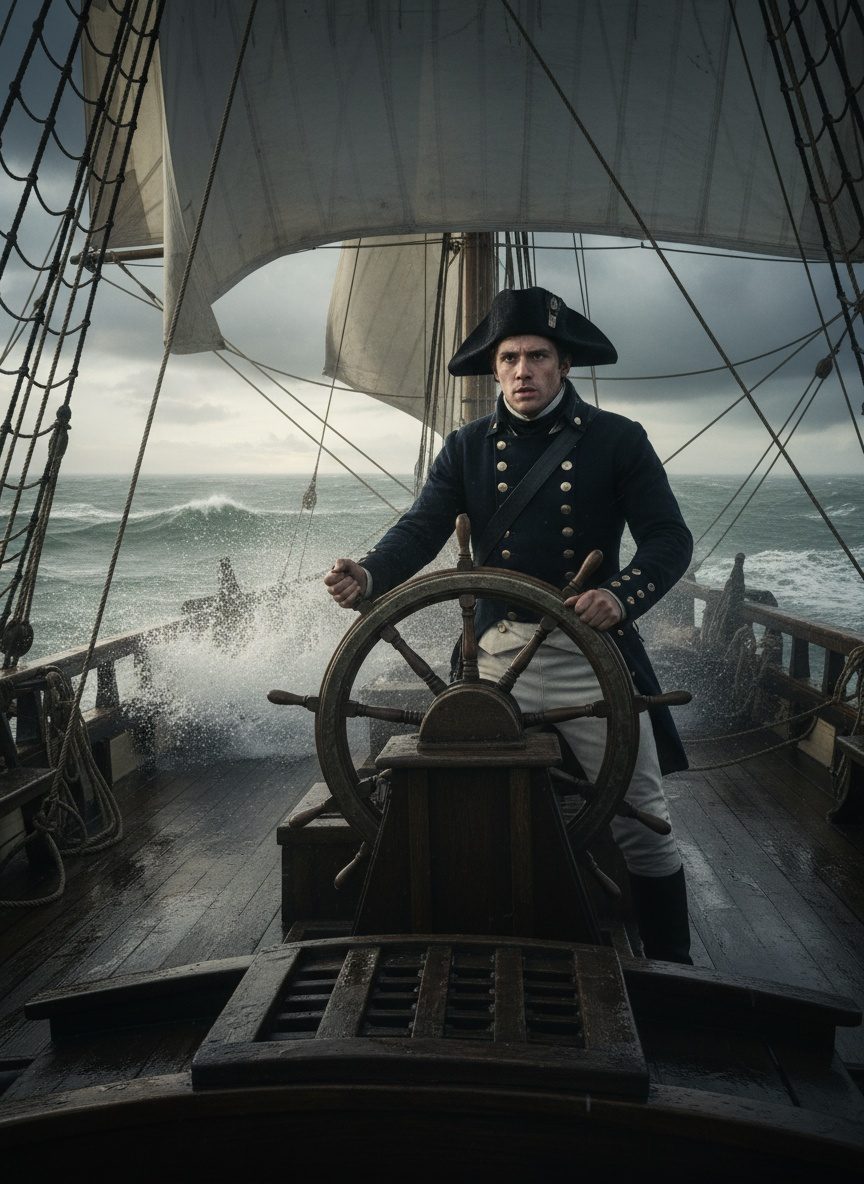
The mission was clear but perilous: sail through the unpredictable and unforgiving Atlantic Ocean. October is notoriously tempestuous, and the gales that pummeled the HMS Pickle during its journey were relentless. Lieutenant Lapenotiere, seasoned though he was, faced an odyssey that would test all his seamanship and endurance.
The hurricane that lay in Pickle's path was an uncontrollable beast, throwing fierce winds and towering waves against the tiny ship. Yet, with deft maneuvering and unyielding resolve, Lapenotiere pressed on. The schooner was tossed about like a leaf in a storm, its masts groaning with strain, and its rigging singing a high-pitched lament against the onslaught of the elements. It was during these moments, lashed by rain and spray and pushed to his limits, that Lapenotiere revealed a seafarer's grit — sacrificing sleep and comfort for an unwavering grip on the helm.
Land Ho! Plymouth at Last
After eight grueling days at sea, Lapenotiere and his crew finally approached the English coast. As they sighted land, exhausted eyes sought out Plymouth’s familiar outline. Setting foot ashore, Lapenotiere barely allowed himself a moment's rest before hiring a post-chaise to convey him urgently to London. The transfer of information was a race against time, with every mile bringing Britain closer to its historical turning point.
Arriving at the Admiralty in the dead of night — one o'clock in the morning — Lapenotiere delivered the words that would electrify a nation: "Sir, we have gained a great victory, but we have lost Lord Nelson." This single, striking announcement encapsulated the mixed emotions of triumph marred by tragedy, setting off a cascade of reactions that would immortalize both man and moment in British lore.
The Importance of Being Pickle
Why does the tale of HMS Pickle endure as more than just a minor footnote in the grand narrative of the Napoleonic Wars? It is a reminder that history is often made in the unlikeliest vessels, piloted by underestimated figures who rise to their moment. As naval stories go, this was a triumph of tenacity over adversity, a testament to the tenacious spirit of those who chart unknown waters with an unyielding compass.
Lieutenant Lapenotiere's journey illustrates that pivotal moments in history are not solely the domain of epic battles or grandiose leaders. They are also shaped by the steadfast resolve of individuals who recognize their role in the larger tapestry. In carrying the dual news of victory and loss, HMS Pickle embodied the bittersweet reality of war — the victory that secured Britain's seas, and the leader whose loss would be mourned across the land.