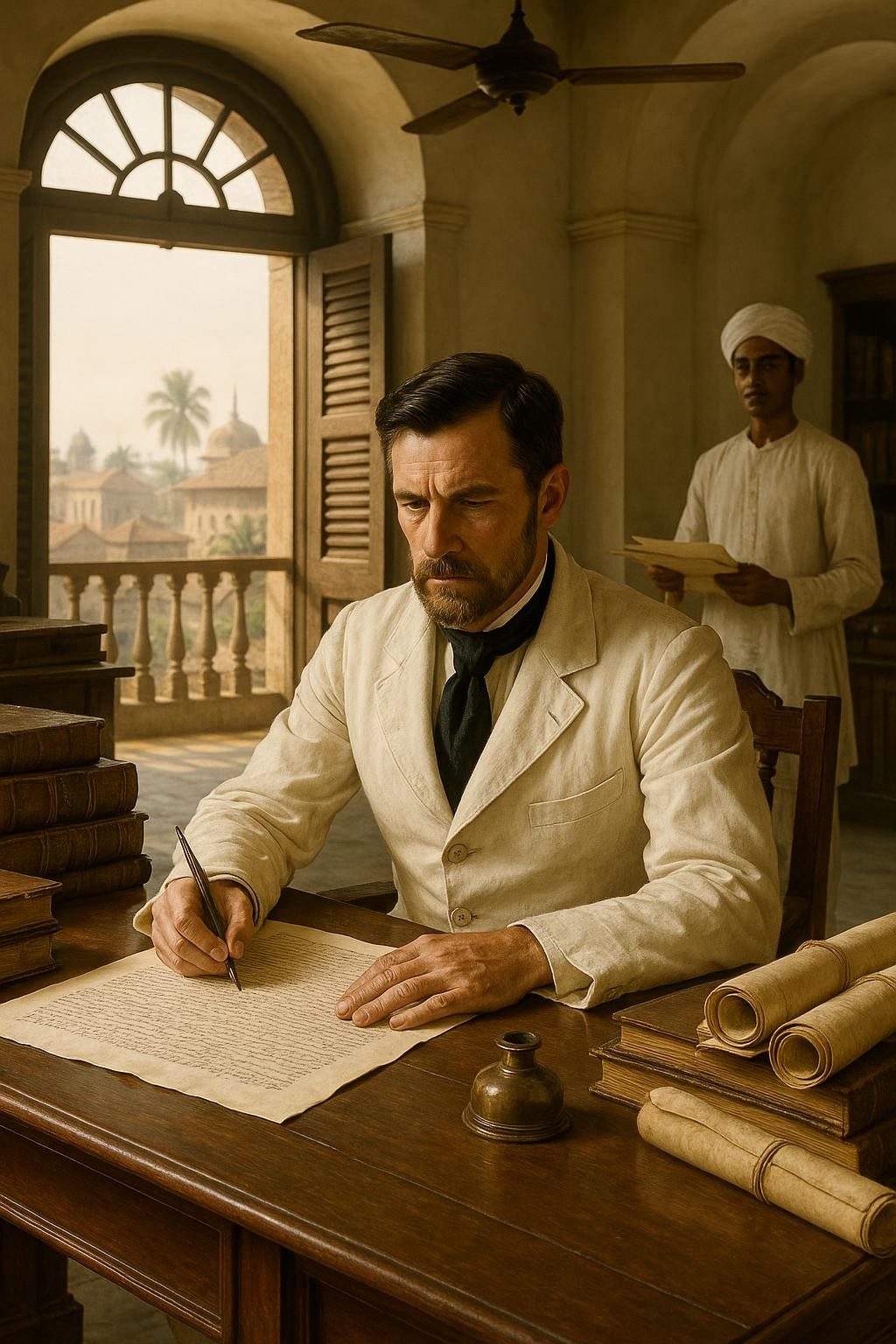

The cool fog of a London morning in 1589 wrapped itself around the narrow streets, filling the city with the faint smell of the river and the low hum of the waking metropolis. Merchants began to unfurl their goods along the banks of the Thames, while the orders of planning voyages echoed through the salty air of the dockyards. The hum of ambition was palpable as England sought to solidify its presence across the globe. Yet, beneath this bustling veneer, a profound tension simmered, as the specter of failed expeditions and lost men loomed heavily over the aspirational dreams of empire. It was amidst this atmosphere that Richard Hakluyt decided to reveal a narrative of courage and peril that many in power wished to remain untold.
At the heart of Hakluyt's controversial decision was his magnum opus, a collection of English voyages that painted an unvarnished picture of the nation's maritime exploits. Hakluyt's work, known as "The Principall Navigations, Voiages, and Discoveries of the English Nation," was not merely an assembly of successes but a tapestry of hard truths. It cataloged both celebrated voyages hailed for their exploration and those fraught with calamity, shipwrecks, and human cost. This ambition to showcase the dual nature of England's maritime identity—a series of bold ventures often tempered by misfortune—marked a shift in the way the country perceived its place in the world.
For many, the failures detailed within Hakluyt's pages were stories best forgotten, experiences consigned to whispers among surviving sailors rather than printed for the entire kingdom to scrutinize. Yet, Hakluyt was not a man easily swayed by convention. Born into a time of burgeoning exploration, he developed a fascination with geography and navigation, passions that eventually steered him towards the gathering of firsthand accounts from those who dared to face the unknown. These narratives, rich with the nuance of personal experience, formed the core of his compilation, offering readers a panoramic view of both triumph and tragedy.
The decision to delve into the murkier aspects of exploration was not sheer iconoclasm on Hakluyt's part. Rather, it stemmed from a deeper conviction that understanding the full spectrum of maritime experiences was crucial for England's future endeavors. By acknowledging past missteps, he believed the nation could be better equipped to navigate the perils that lay ahead. His chronicles served as both a caution and a guide, a stark reminder that the path to glory was often littered with loss.
The Crown, however, had distinctly different aspirations. In an era where national pride was as pivotal as military might, Elizabeth I and her advisors were keen on highlighting successes that bolstered England’s prestige. The delicate fabric of empire was stitched together not just by acts of dominion but by the stories that were told back home. Understandably, tales of disaster could undermine the delicate balance of morale and ambition driving the nation’s exploratory efforts.
Yet, Hakluyt’s honesty did something profoundly important—it humanized the voyage. His pages were enlivened by the voices of explorers who described harrowing storms, the desolation of being stranded, and the courageous resolve required to endure. By recording the totality of the maritime experience, these stories spoke volumes about the bravery of those who ventured beyond known horizons. They celebrated a theme deeply interwoven with the fabric of the human spirit—the ceaseless pursuit of discovery despite uncertainty.
This audacity did not merely confirm Hakluyt as a chronicler of history; it cemented his role as a pioneer of truth in the age of expansion. While many sought to mold reality, Hakluyt understood that real progress could only foster from resilience and recognition. He refused to shy away from presenting reality with its uninviting elements, whether that be sequences involving detours into oblivion or encounters with insurmountable odds.
Hakluyt’s work found resonance beyond the immediate splendor or frustration of 16th-century mariners. It extended a deeper philosophical reflection on the interplay between ambition and consequence. Over time, this narrative strategy evolved into an indispensable aspect of historical accountability, inviting historians and readers alike to question the integrity behind tales of national success. In embracing a multifaceted reality, Hakluyt offered invaluable insights not just to Elizabethan seafarers and strategists but to all future generations tasked with interpreting the legacies of exploration.
In the end, the true significance of Hakluyt’s endeavor lies in its timeless relevance. By choosing to prioritize truth over comfort, his work encouraged a redefinition of national identity built upon foundational acknowledgment of both prowess and frailty. He resonated with the understanding that an empire’s character is reflected not in its ability to insulate itself from uncomfortable narratives, but in the courage to absorb them and plot forward with wisdom gleaned from the lessons of the past. In this light, Hakluyt’s collection is more than an inventory—it is a lodestar guiding towards a more enlightened pursuit of empire grounded in the full breadth of human experience.