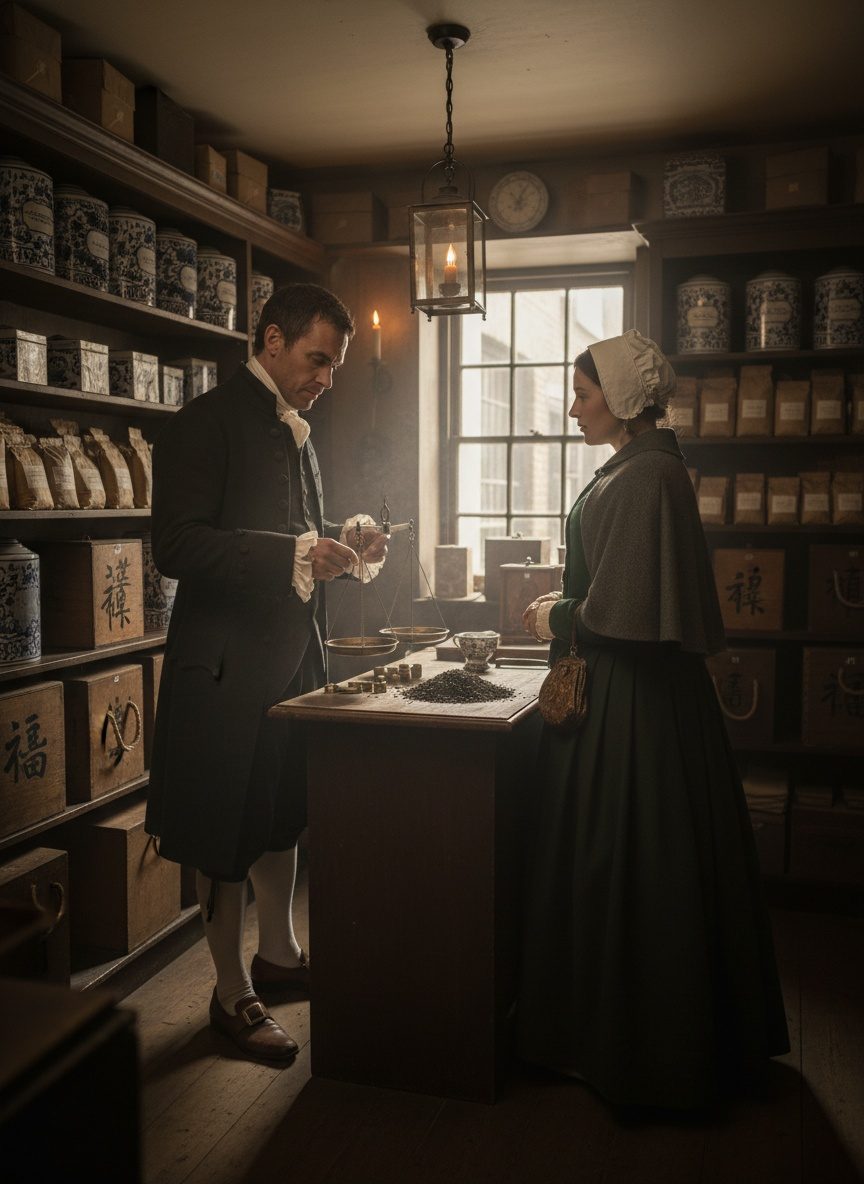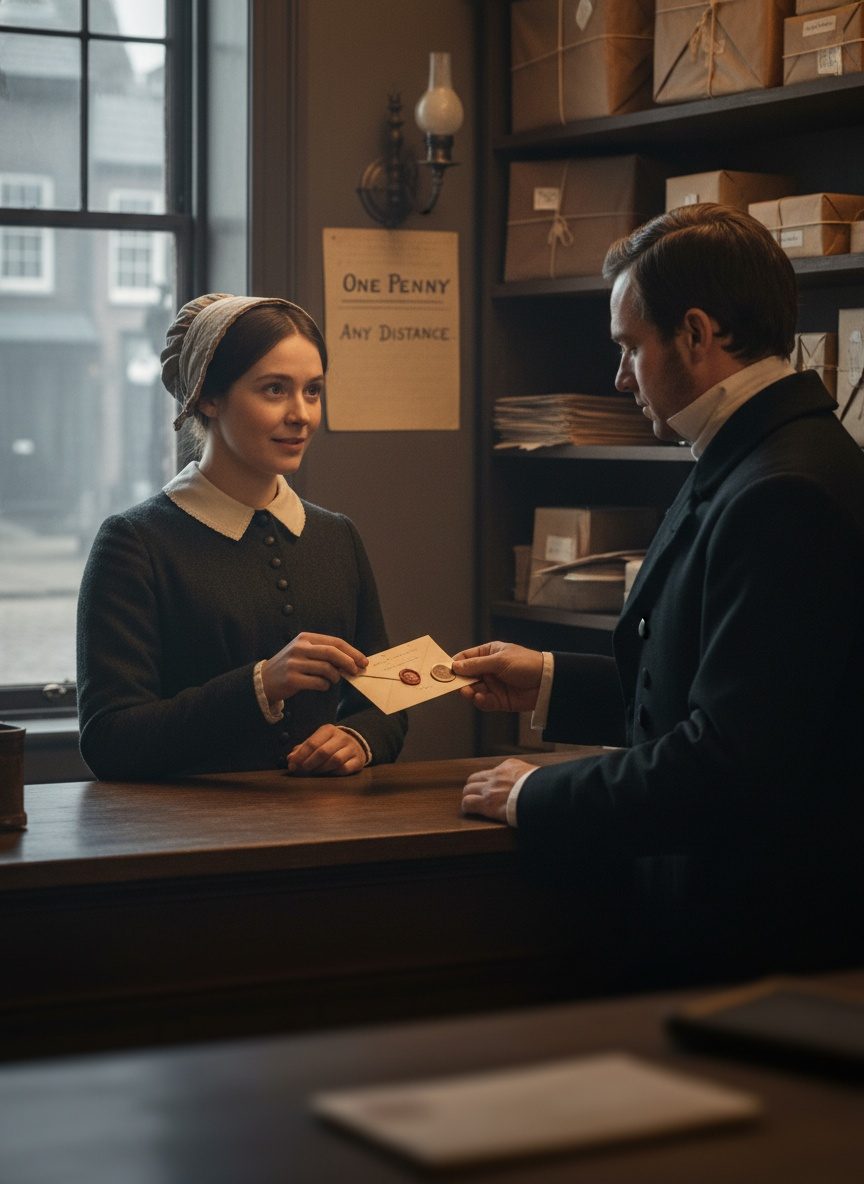
The sound of hooves clattered against the cobblestones as a mail cart rattled through the fog-choked streets of London. Inside, beneath the flicker of gas lamps and swaying shadows, a pile of new envelopes bore a small, unfamiliar mark — the black profile of Queen Victoria, printed on postage stamps worth just one penny. The change was so subtle yet seismic that the silence enveloping the scene seemed momentarily pregnant with possibilities. A revolution was happening, letter by letter, envelope by envelope.
A System Built to Exclude
Before this night, the British postal system was a leviathan, inseparable from the rigid class hierarchy it served. For those born into prosperity, communication bloomed across the empire instantly, binding them to trade and influence. But the poor, merely cogs in this vast machine, found themselves shackled by prohibitive costs. Sending a letter could easily cost a laborer's entire day's pay, and sometimes even more.
In an era when the personal was indeed political, the letter functioned not only as a vessel for news or affection but also as a tool of participation and progress. Illiteracy haunted the impoverished like a specter, and the exorbitant fees ensured that even the literate remained voiceless. For the countless factory girls in Manchester or farm laborers in Sussex, pen and paper might as well have been golden quills penned by silk-gloved hands.
The Visionary Who Saw Beyond
Rowland Hill was not a man of aristocratic lineage nor one schooled in the pomp of ivory towers. A schoolmaster with a penchant for reform, Hill harbored a vision that penetrated the social fabric spun by his contemporaries. His Peninsular War sharpened the skill, he believed definitive systems could simplify and better lives. Armed with this belief and the conviction that the postal system could be equitable, Hill set pen to paper.
In his pamphlet, Hill proposed a new system: a Uniform Penny Post. This vernacular innovation was nothing short of audacious, suggesting a flat rate of one penny for mailing a letter anywhere within the British Isles. It promised direct consequences: an octogenarian could send her regards to her brother in Edinburgh, and simultaneously, a wool spinner from Yorkshire could write extensively to a suitor relocated to Cork. A penny was the linchpin, distinctively positioned to unlock the silenced salvos of the laboring class.
The Dawn of the Penny Black
Victory was not instantaneous, nor was it easily secured. The proprietary blockades came first, as critics railed against the chaos they predicted would follow. Costly parliamentary debates erupted like pressured eardrums, and skepticism echoed through the grand halls where change was deliberated. Ultimately, the efficacy of Hill's penny post was impossible to stifle under the weight of the status quo.
In 1840, the first adhesive postage stamp — known henceforth as the Penny Black — punctuated the beginning of a new era. The Queen's profile became an affectionate icon of progress and equality, a serendipitous reminder that no one, not even Victoria, stood apart from the sweeping currents of communication. By the year's end, the volume of letters had nearly tripled. The sprawling British Empire, too, seemed to adopt a new vibrato — as if the postal system had suddenly acquired a nervous system, humming with life.
The Empire's New Chorus
A cacophony of diverse narratives began to enchant the Empire. Mothers sent their love to distant sons on naval escapades, yearning sweethearts whispered promises over the pen, and merchants corresponded with newfound ease. Factories, farms, and tenements bubbled with an invigorating dialogue that promised potential.
This cacophony invited opportunity, but it also demanded attention. The working classes found themselves newly emboldened, agitating for reforms that extended beyond just the mail. Suddenly, factory conditions, wages, labor laws, and even suffrage were topics no longer confined to aristocratic dinner conversations. With each stamped letter, information flowed faster and faster, becoming the lifeblood of emerging movements and grassroots mobilizations.
Voices That Shaped the Future
The echoes of Rowland Hill's innovation reverberate well beyond those foggy cobblestone streets. In transforming the postal system into an accessible archway rather than an impenetrable gate, Hill offered marginalized communities a means of expression and action. The same penny that empowered a singular factory girl to continue her familial bonds stretched borders and ideologies far beyond the known, ultimately shifting the dynamics of an Empire.
Hill's legacy serves as a vivid contrast to our contemporary notions of connectivity. In an age flooded with instantaneous digital communication, the heritage of the penny post asks us to ponder on the barriers that still exist and the power inherent in seeming mundanity. Wonder what revolutions slumber in today's forgotten voices, dreaming of liberation as they lie beneath the weight of indifference.