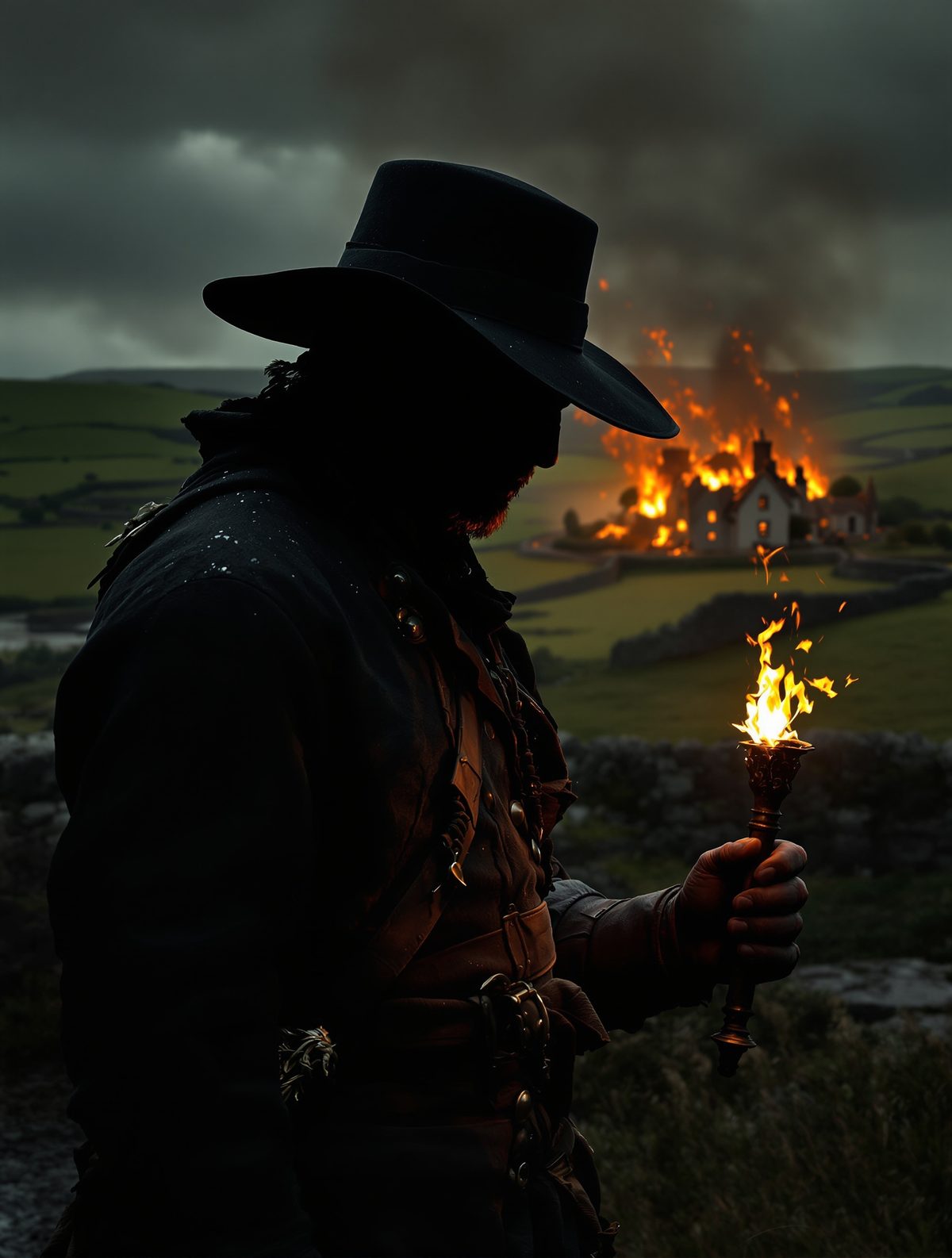
In the bitter cold of August 1576, somewhere in the ice-locked waters of what is now Canada's Arctic archipelago, Sir Martin Frobisher held destiny in his frozen hands. The black stone glittered like the devil's own treasure, heavy and promising in the pale midnight sun. His men, exhausted from battles with Inuit warriors and crushing ice flows, watched as their captain filled the ship's hold with what he proclaimed to be the richest gold ore ever discovered. Back in London, Queen Elizabeth I would soon stake her personal fortune on these frozen rocks. Parliament would authorize expeditions. The realm's finest assayers would confirm the incredible wealth. And every single grain of it would prove to be utterly, catastrophically worthless.
This is the story of how England's hunger for New World riches led to one of history's most spectacular and expensive delusions—a tale of three frozen expeditions, 1,350 tons of fool's gold, and the magnificent folly that nearly bankrupted the Elizabethan court.
The Mariner Who Dreamed of Cathay
Martin Frobisher was not your typical courtly explorer. Born around 1535 in Yorkshire, he'd spent his early career as what polite society called a "privateer" and everyone else called a pirate. By the 1570s, this grizzled sea captain had grown tired of merely raiding Spanish treasure ships—he wanted to find the source of all that New World gold himself. More importantly, he was obsessed with finding the legendary Northwest Passage to Cathay (China), a route that would make England the master of global trade.
When Frobisher finally secured backing for his venture in 1576, it wasn't from the Crown but from a group of merchant adventurers and courtiers eager for quick profits. His fleet consisted of just three small vessels: the Gabriel, the Michael, and a tiny bark whose crew abandoned the expedition before they even left English waters. What followed was a journey that would have challenged Odysseus himself.
After losing the Michael in a storm and battling pack ice that could crush ships like walnuts, Frobisher found himself in what he named "Frobisher Bay" (now known to be a strait) with just eighteen men and a battered ship. It was here that everything changed—not because he found the passage to China, but because of a chance encounter that would reshape England's Arctic ambitions forever.
First Contact and Fatal Fascination
The Inuit people Frobisher encountered were master survivors in one of Earth's most unforgiving environments, but to the English explorers, they appeared as mysterious as the landscape itself. Initial contact seemed promising—trading commenced, with the Inuit offering seal meat and Arctic char in exchange for European goods. But the relationship soured rapidly when five of Frobisher's men disappeared during a trading expedition, likely taken as captives or killed in a misunderstanding.
Frobisher's response was swift and brutal. He captured an Inuit man in his kayak by literally lifting boat and paddler aboard his ship—a feat of strength that became legendary among his crew. But more importantly for history, it was this captured man who inadvertently led Frobisher to his "treasure."
While searching for traces of his missing men, Frobisher and his crew discovered deposits of heavy, black stone that glittered with metallic veins. The rocks were unusually dense and sparkled with what appeared to be precious metal. One crew member, convinced he saw gold, secreted away a sample. When they returned to London in October 1576 with their Inuit captive (who sadly died within days of arrival), that single piece of Arctic stone would trigger one of history's greatest treasure hunts.
The Assayers' Golden Verdict
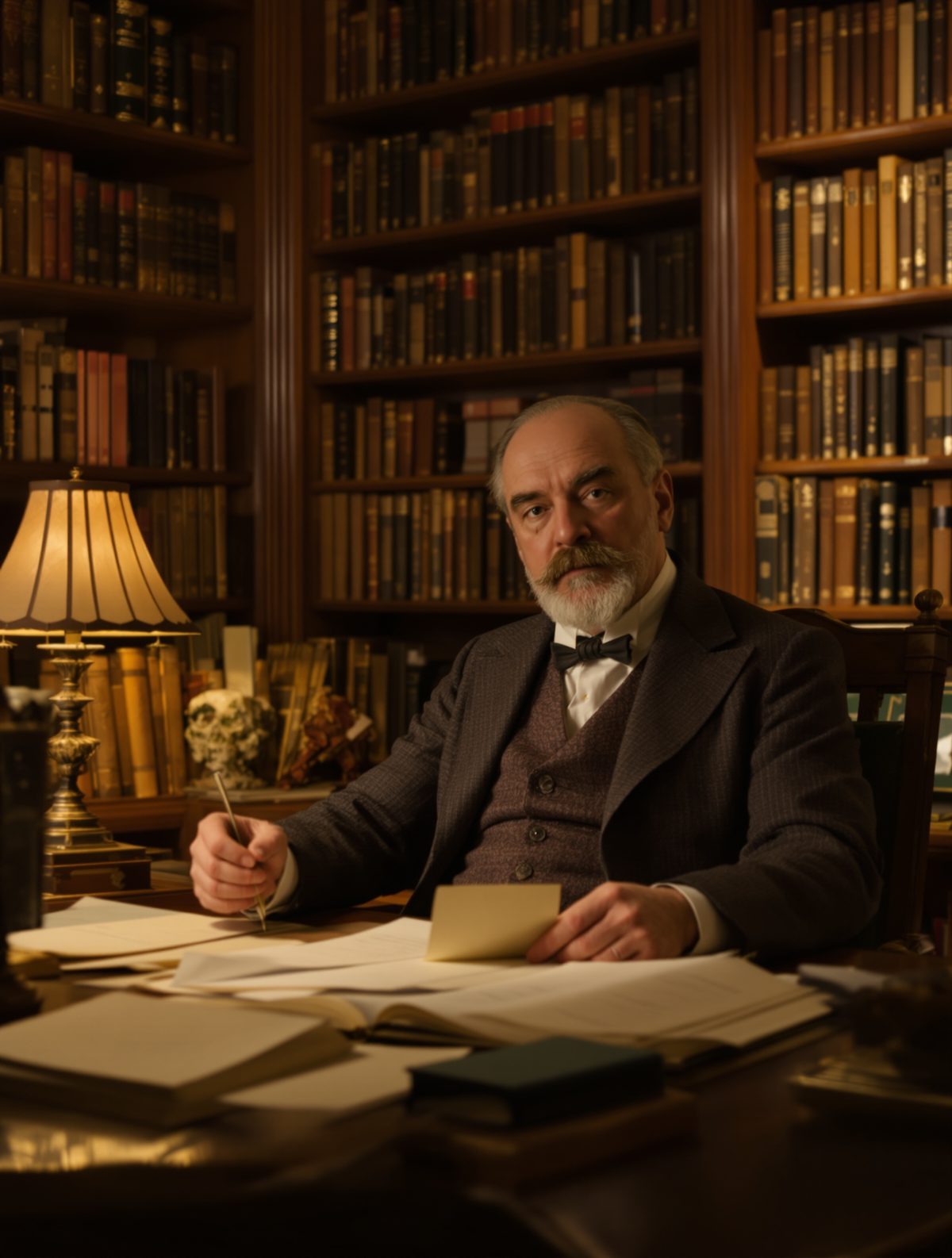
Here's where the story takes its most fascinating turn. The first assayers who examined Frobisher's black stone declared it worthless iron pyrite—fool's gold. But Frobisher wasn't deterred. He kept shopping around until he found Giovanni Battista Agnello, an Italian assayer with a reputation for finding precious metals where others saw only rock.
Agnello's assessment was nothing short of revolutionary: the Arctic stone contained significant quantities of gold and silver. His techniques, shrouded in the mysterious alchemy of the age, somehow extracted precious metals from what we now know was worthless hornblende and biotite. Whether Agnello was a fraud, delusional, or simply using contaminated equipment remains one of history's great mysteries.
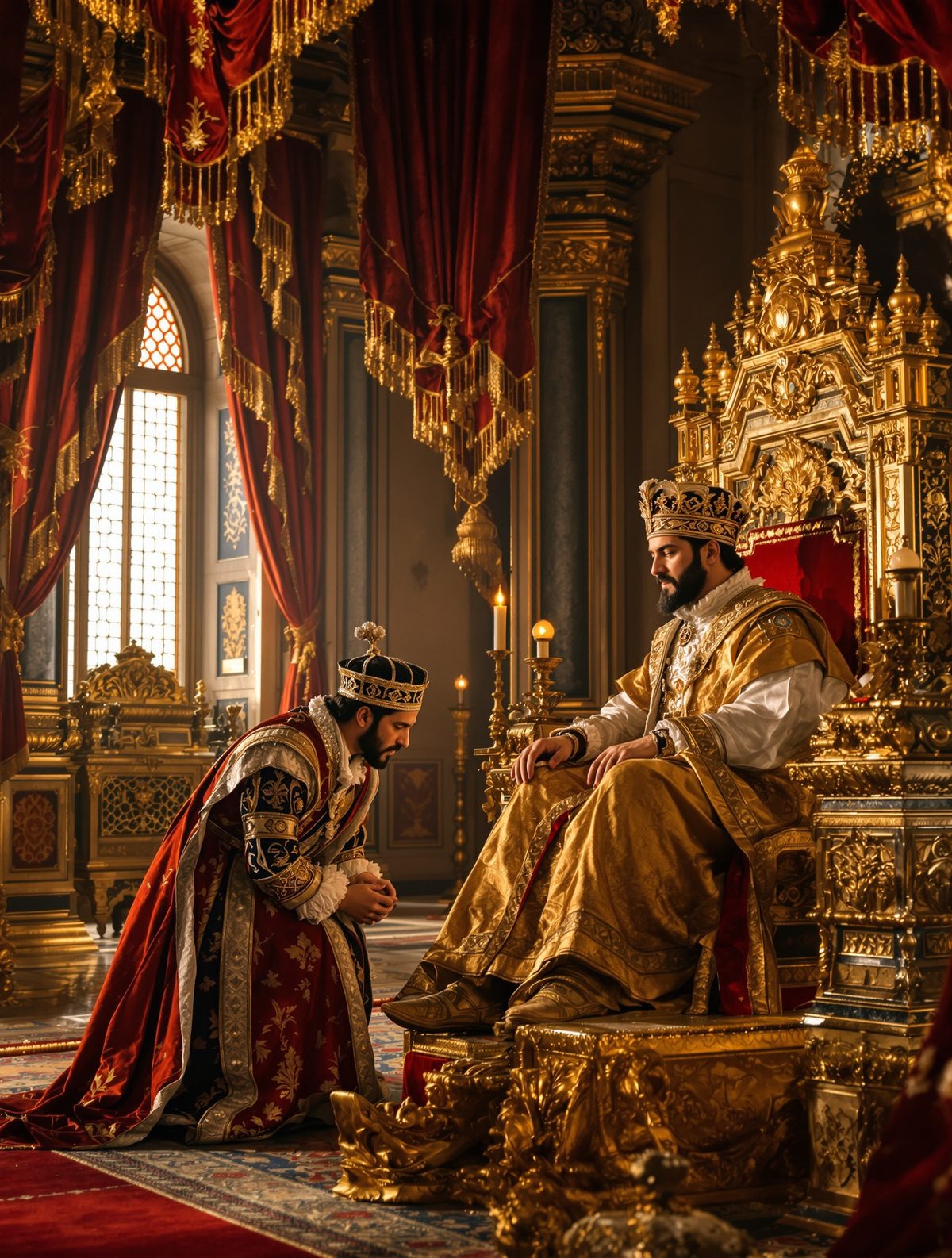
The news sent shockwaves through Elizabeth's court. Here was proof that the New World's riches extended far beyond Spanish America. Queen Elizabeth herself examined the samples and, convinced by Agnello's findings, made the extraordinary decision to personally invest in a follow-up expedition. She contributed one of her own warships, the Aid, and substantial funds from the royal treasury.
The Cathay Company was hastily formed with the most prestigious backers in England, including the Earl of Leicester and other privy councilors. The Northwest Passage suddenly seemed less important than establishing England's first gold mine in the New World.
The Frozen Armada Returns
Frobisher's second expedition in 1577 was a far grander affair than his first desperate voyage. With three ships and 120 men, including miners, assayers, and soldiers, he returned to his Arctic "El Dorado" with orders to bring back as much ore as possible and establish England's presence in the region.
What they found was a landscape transformed by war. The previous year's hostilities with the Inuit had not been forgotten. Warriors in kayaks harassed the English ships with arrows and lances, while larger war parties launched coordinated attacks on mining operations. Frobisher himself was wounded by an Inuit arrow that pierced his buttock—a detail conveniently omitted from most official accounts.
Despite the constant threat of attack and the brutal Arctic conditions, the expedition succeeded in loading 200 tons of the precious black stone. When they returned to London in September 1577, the cargo was immediately subjected to intensive analysis. Once again, Agnello confirmed the presence of gold and silver, though his yields were mysteriously inconsistent.
The excitement reached fever pitch. Plans were immediately laid for a third, even grander expedition—one that would establish a permanent English colony in the Arctic and begin industrial-scale mining operations.
The Greatest Gamble of All
The 1578 expedition was the largest English venture to the New World up to that time. Fifteen ships carrying nearly 400 men set sail with enough supplies to establish a permanent settlement. The fleet included not just miners and soldiers, but also craftsmen, a preacher, and even materials for a prefabricated fort. The total investment approached £20,000—equivalent to millions in today's currency.
But the Arctic had one more cruel trick to play. Unusually severe ice conditions scattered the fleet, and several ships were nearly crushed in pack ice that one chronicler described as "mountains of crystal moving with the force of giants." The prefabricated fort was lost when its transport ship was damaged, and the colonization attempt had to be abandoned.
Still, the mining continued with desperate intensity. Working in conditions that frequently dropped below freezing even in summer, the expedition managed to extract over 1,000 tons of ore—bringing the total haul from three expeditions to approximately 1,350 tons of what they believed to be precious metal ore.
The return journey was a nightmare of storms and ice. Several ships barely made it home, and many crew members suffered from scurvy and frostbite. But they had their treasure—shiploads of glittering black stone that represented England's first major mining venture in the New World.
The Reckoning
Back in London, reality finally caught up with dreams. As assayers worked frantically to extract gold and silver from the massive stockpiles of Arctic ore, the yields grew mysteriously smaller and smaller. Different assayers produced wildly different results. Some found trace amounts of precious metals; others found none at all.
By 1579, even the most optimistic investors had to face the truth: Frobisher's Arctic gold was worthless rock. The 1,350 tons of "treasure" were eventually used to repair roads in London—perhaps the most expensive roadwork materials in history. Giovanni Battista Agnello quietly disappeared from the records, whether through disgrace or design.
The financial disaster was enormous. Queen Elizabeth lost a substantial portion of her personal wealth. The Cathay Company collapsed, taking with it the fortunes of some of England's most prominent courtiers. Frobisher himself, though escaping personal ruin, saw his reputation as an explorer permanently tarnished.
Yet perhaps the most tragic cost was paid by the Inuit people of the Arctic, who had defended their homeland against three successive invasions only to discover that the invaders had been fighting over worthless stone. The cultural disruption and loss of life had been for nothing more than glittering rocks.
Fool's Gold, Lasting Legacy
In our age of cryptocurrency bubbles and speculative frenzies, Frobisher's Arctic gold rush feels remarkably contemporary. The same human impulses that drove Elizabethan courtiers to invest their fortunes in frozen rocks drive modern investors toward dubious ventures promising impossible returns. The assayer Agnello, with his mysterious techniques and inconsistent results, prefigures every snake-oil salesman who has ever convinced people that lead could be transformed into gold.
But there's a deeper lesson here about the birth of empire itself. England's first serious attempt at New World colonization was built on a foundation of delusion, wishful thinking, and spectacularly bad science. Yet from this failure came valuable experience in Arctic navigation, shipbuilding, and expedition organization that would serve later explorers well. Frobisher himself went on to play a crucial role in defeating the Spanish Armada, proving that even failed gold rushes can produce genuine heroes.
The real treasure, as so often in history, wasn't the glittering stones that captured everyone's imagination—it was the hard-won knowledge of how to survive and thrive in the world's most challenging environments. Sometimes the most valuable discoveries are the ones that teach us the difference between fool's gold and the real thing.