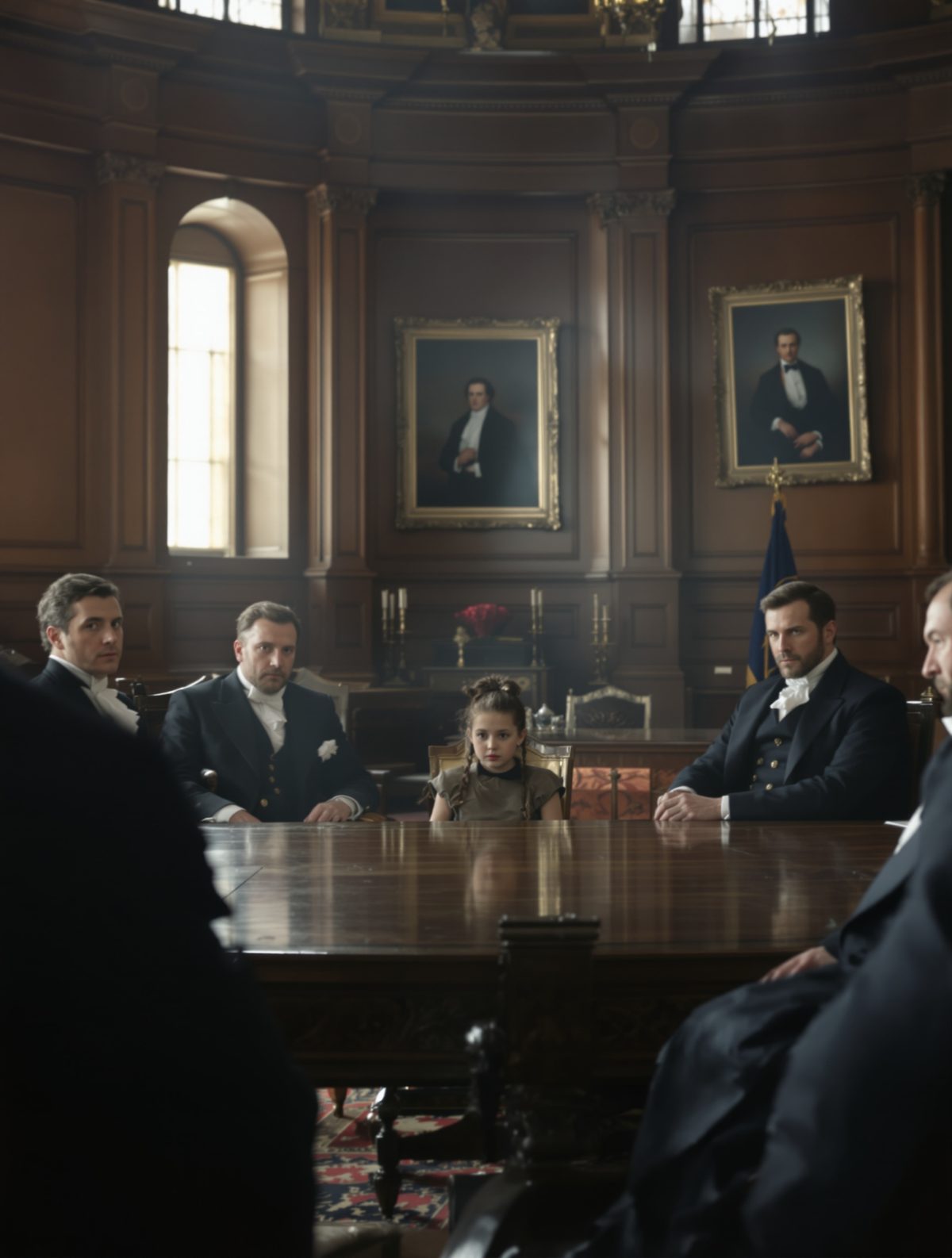
The gaslight flickered across the mahogany table as eight-year-old Sarah Gooder shifted nervously in her chair. Around her sat some of the most powerful men in Victorian Britain—members of Parliament in their finest wool coats, pocket watches glinting gold in the dim light. The year was 1842, and these gentlemen were about to hear something that would shatter their comfortable assumptions about childhood forever.
Sarah was tiny, even for her age. Years of crawling through coal mine tunnels had stunted her growth, and malnutrition had hollowed her cheeks. But when the commissioners asked her to describe her work, her voice was steady and clear. She told them about the leather harness that chafed her shoulders raw. About dragging coal carts weighing hundreds of pounds through passages so narrow she couldn't stand upright. About working sixteen hours a day in darkness so complete that sometimes she forgot what sunlight looked like.
The room fell silent. These men had voted on laws governing the empire that stretched across a quarter of the globe, but none had imagined that children barely old enough for school were laboring like beasts of burden beneath their feet.
The Hidden World Beneath Victorian Britain
In 1842, coal powered the greatest industrial revolution the world had ever seen. Steam engines pumped water from flooded fields, locomotives carried goods across continents, and factory chimneys belched smoke into skies that hadn't seen such prosperity since Roman times. But this miracle of progress rested on a foundation that polite society preferred not to examine too closely.
Deep beneath the rolling hills of Yorkshire, Durham, and Wales, an army of children as young as five years old kept Britain's economic engine running. They were called "trappers"—responsible for opening and closing the wooden doors that controlled airflow through the mine tunnels. Sitting alone in complete darkness for twelve to sixteen hours a day, these children often fell asleep at their posts, risking deadly gas explosions that could kill dozens of miners.
Then there were the "hurriers" and "thrusters" like Sarah Gooder. These children, typically between eight and eighteen years old, formed the mine's transportation system. Crawling on hands and knees through passages barely three feet high, they dragged or pushed coal carts weighing up to 500 pounds through tunnels that stretched for miles underground.
The work was backbreaking, literally. Medical examinations revealed that nearly every child who worked in the mines developed severe spinal deformities before reaching adulthood. Many suffered from "black lung" disease, their respiratory systems clogged with coal dust. Accidents were common—children crushed by runaway carts, buried in cave-ins, or killed by poisonous gases.
A Commission That Changed Everything
The investigation that brought Sarah Gooder before Parliament began with Lord Ashley, later known as the Earl of Shaftesbury. A deeply religious man who believed that industrial progress should not come at the expense of human dignity, Ashley had spent years documenting the conditions in Britain's factories. But even he was unprepared for what investigators found when they ventured underground.
The Children's Employment Commission of 1840-1842 was revolutionary in its approach. Rather than simply collecting statistics, the commissioners interviewed hundreds of child workers directly, recording their testimonies in their own words. They commissioned detailed illustrations showing the working conditions, and for the first time, the British public could see exactly how their prosperity was being purchased.
The investigators discovered that some children began working at age five, earning just a few pence per day for labor that would challenge grown men. Many had never seen the inside of a school or learned to read. When asked what she knew about God, one young girl replied that she had "never heard of God" and didn't know what he was.
But it was Sarah Gooder's testimony that proved most powerful. Unlike some witnesses who were too frightened or inarticulate to convey their experiences, Sarah spoke with devastating clarity about her daily routine. She described being harnessed to coal carts like a pit pony, crawling through tunnels where the ceiling was so low that the chains between her legs scraped the ground with every step.
The Girl Who Spoke Truth to Power
Sarah's story began in the coal fields around Rotherham, where her family had worked in the mines for generations. Her father was a coal getter—one of the skilled workers who actually extracted the coal from the seam. But the economics of mining meant that entire families worked underground together. Sarah's job was to drag the coal her father cut through narrow passages to the main shaft, where pit ponies could take over the transportation.
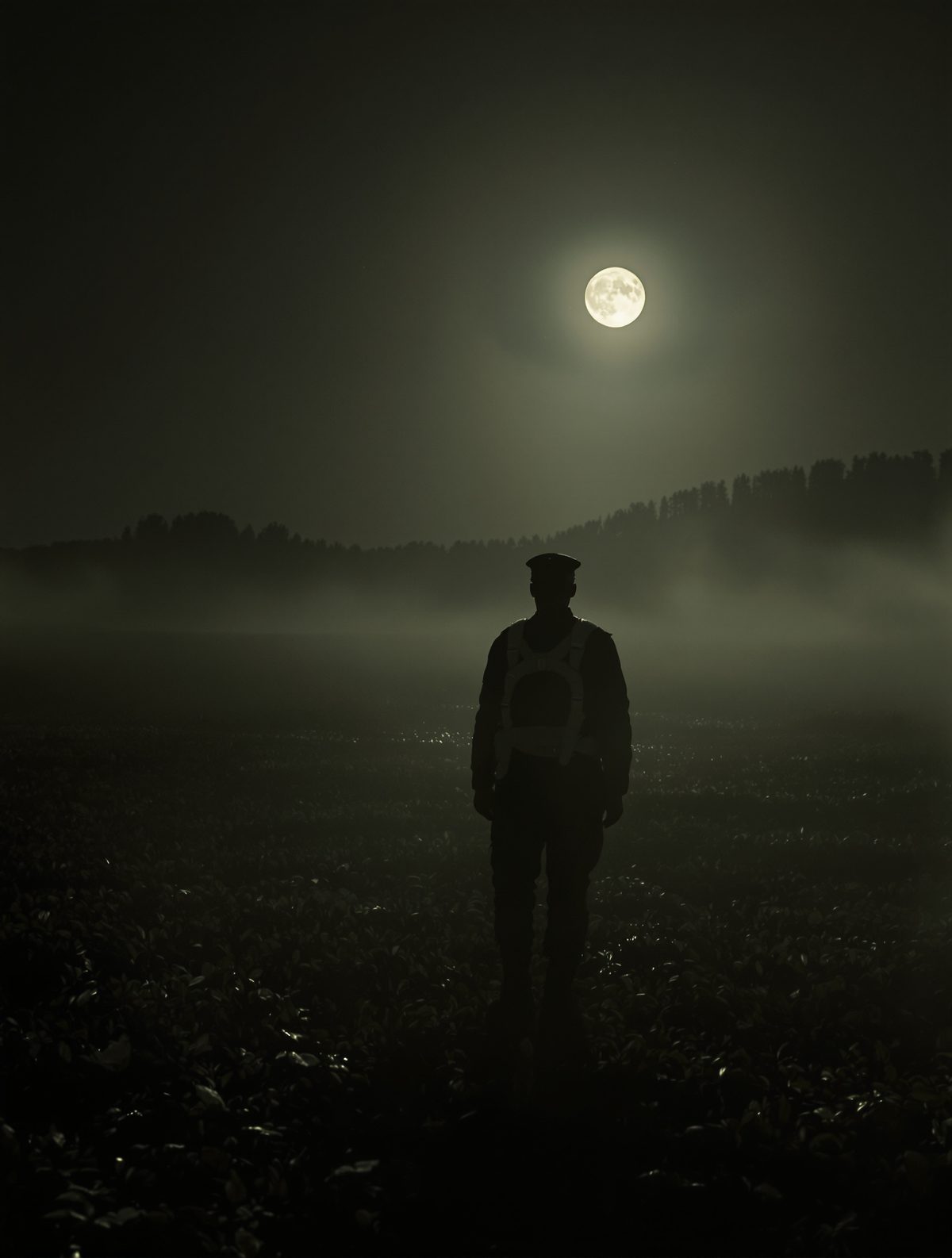
The leather harness she wore was designed for maximum efficiency, not human comfort. A wide belt around her waist connected to chains that ran between her legs and attached to the coal cart behind her. Moving forward required her to crouch low and pull with her entire body, using muscles that hadn't fully developed. The repetitive strain caused permanent damage to her spine and joints.
Perhaps most heartbreaking was Sarah's matter-of-fact acceptance of her circumstances. When commissioners asked if she found the work difficult, she replied that it was "very hard work" but that she had "never done anything else." She had no concept that children in other parts of society spent their days playing, learning, or simply being children.
Her testimony revealed details that shocked even hardened investigators. She worked by the light of a single candle, which often went out, leaving her to navigate the tunnels in absolute darkness. She ate her meals underground—usually just bread and bacon fat—sitting in passages filled with coal dust. On Sundays, her only day off, she was often too exhausted to leave her family's cramped cottage.
A Public Awakening
When the Commission's report was published in 1842, it created a sensation that rippled through Victorian society. Middle-class families who had never questioned where their coal came from were confronted with detailed accounts of children younger than their own sons and daughters performing labor that seemed better suited to machines than human beings.
The illustrations accompanying the report were particularly powerful. Detailed engravings showed children harnessed to coal carts, crawling through passages barely wider than their bodies. These images appeared in newspapers across the country, and for the first time, the British public could visualize the human cost of their industrial prosperity.
Religious leaders seized on the report as evidence of society's moral failures. The idea that Christian children were laboring in conditions that denied them education, proper development, or even knowledge of God struck many as a profound indictment of industrial capitalism's excesses.
Women, who had no political voice in 1842, found ways to make their opinions known. They organized boycotts of coal merchants known to employ young children and pressured their husbands to support legislative reform. Some wealthy women funded schools in mining communities, offering parents an alternative to sending their youngest children underground.
The Mines Act of 1842: A Revolution in Law
The public outcry following the Commission's report created unstoppable momentum for reform. Lord Ashley introduced legislation that seemed radical for its time: a complete ban on underground employment for all children under ten, and for all women regardless of age.
The parliamentary debates were fierce. Mine owners argued that the legislation would cripple British industry and put thousands of families into poverty. They claimed that children were naturally suited to working in narrow tunnels and that many families depended on their children's wages for survival.
But supporters of the bill had Sarah Gooder's testimony and hundreds of others like it. When opponents argued that child labor was economically necessary, reformers read aloud the children's own descriptions of their working conditions. The contrast between abstract economic arguments and vivid human testimony proved decisive.
On August 10, 1842, the Mines Act received royal assent. For the first time in British history, the government had intervened to protect children from industrial exploitation based purely on humanitarian grounds. The law immediately prohibited the underground employment of all boys under ten and all girls under eighteen, and established a system of inspectors to enforce the new regulations.
A Legacy Written in Light
Sarah Gooder's testimony before Parliament lasted less than an hour, but its impact echoed through generations. The Mines Act of 1842 became the foundation for a series of reforms that gradually extended the protection of childhood across all industries. Within a generation, Britain had established compulsory education, restricted working hours for young people, and created the legal framework for what we now consider basic children's rights.
But perhaps more importantly, Sarah's story changed how society thought about childhood itself. Before 1842, working-class children were often viewed as small adults who should contribute to their families' economic survival as soon as physically possible. The Commission's report established the radical idea that children deserved protection, education, and the opportunity to develop physically and mentally before entering the workforce.
Today, as we debate the ethics of global supply chains and the treatment of workers in developing countries, Sarah Gooder's testimony remains startlingly relevant. Her simple, honest description of exploitation reminds us that behind every economic system are human beings whose dignity and welfare deserve consideration. The eight-year-old girl who sat before Parliament in 1842 and told the truth about her life helped establish a principle that continues to challenge us: that progress means nothing if it comes at the expense of those too powerless to protect themselves.
The gaslight that flickered across that parliamentary table nearly two centuries ago illuminated more than just Sarah's small face. It lit a path toward a more humane understanding of what we owe each other, and especially what we owe our children. In a world where child labor still exists in many forms, her voice still calls us to account.