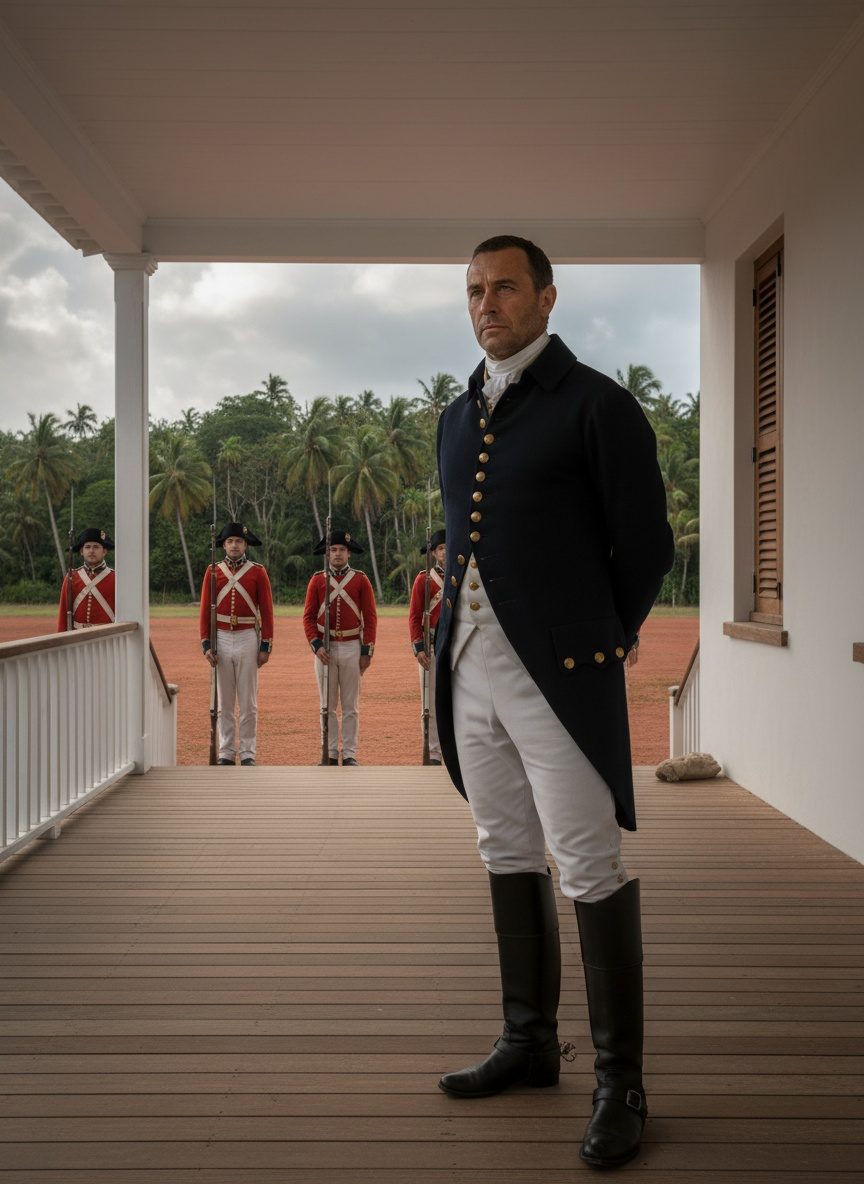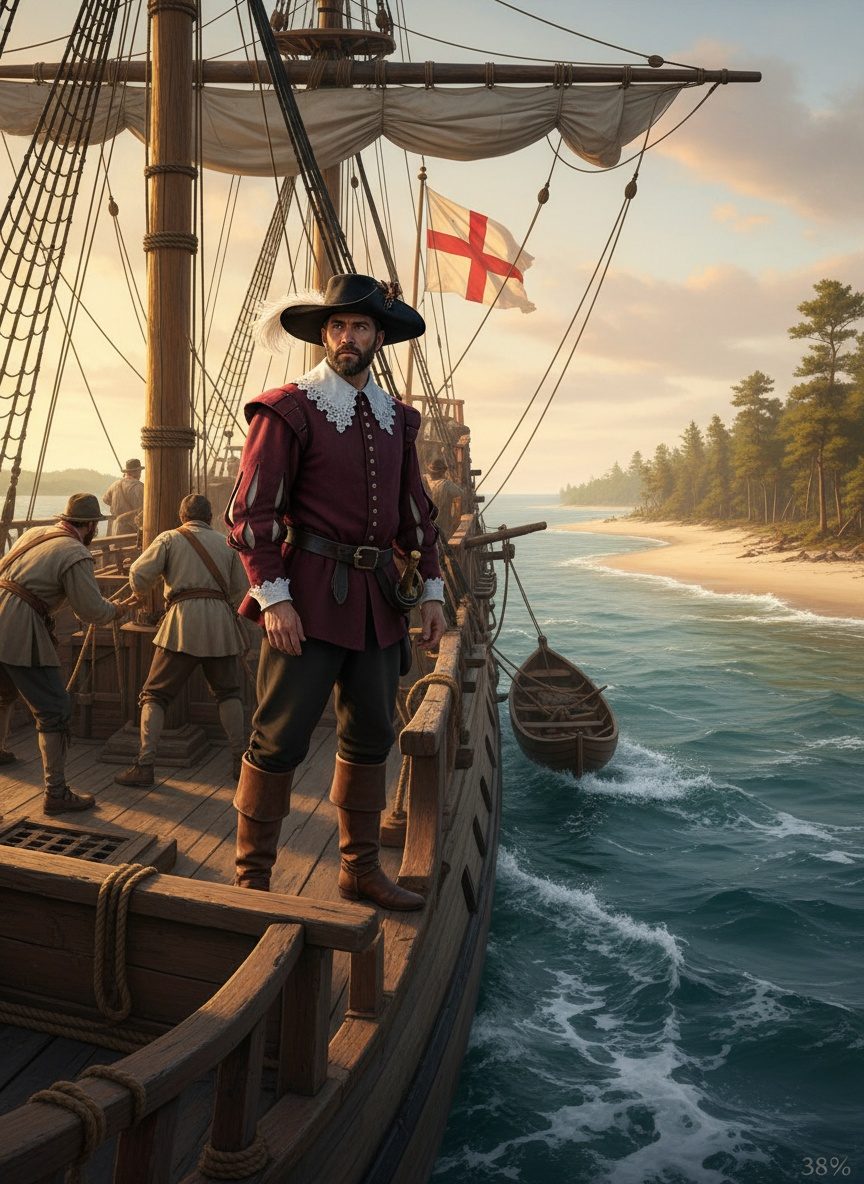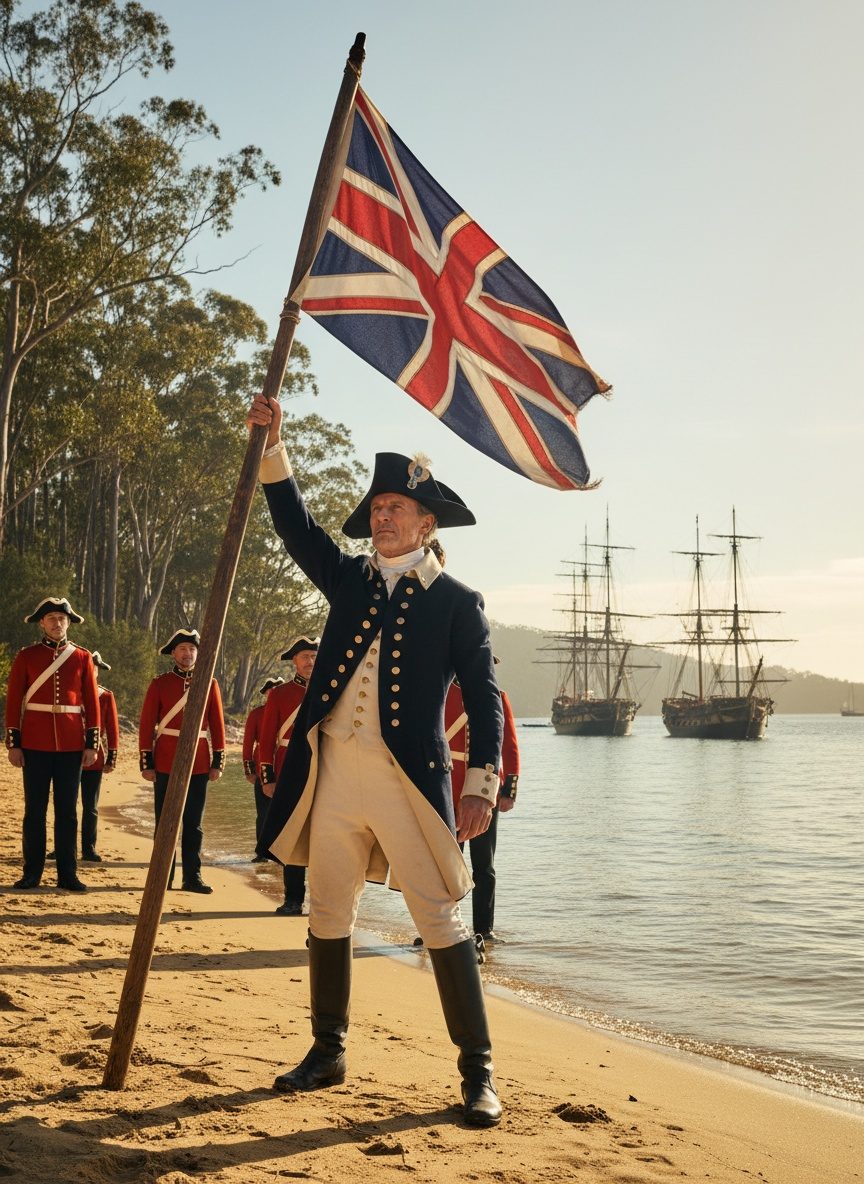
The sea breeze carried the salty spray of the South Pacific as Arthur Phillip scanned the forbidding shoreline. Was this a harbinger of hope or ruin? With the deck of his flagship heaving beneath his feet, the choice lay before him as clearly as the stark cliffs of the harbour: to land and unfurl the Union Jack, declaring a new chapter in the vast, untamed continent stretching out before him. And on the morning of January 26, 1788, Phillip did just that opposite the strip of sandy beach he would name Sydney Cove.
The Decision That Changed the Voyage
Phillip's expedition had not been one born of the idyllic or the adventurous. This journey to the far side of the world had been an urgent necessity for a British Empire bursting at its seams with the unwanted and unloved — convicts from overcrowded jails who loaded the eleven ships of the First Fleet. Their destination: a penal colony, envisioned somewhat vaguely to mitigate the mounting logistics of incarceration back home.
Guided by faith in the scarcity of maps and whispers of fertile lands from explorers like James Cook, Phillip faced the daunting prospect of establishing a community with scant assurance of its feasibility. The environment was unforgiving, enigmatic, and fraught with the unknown.
An Encounter with Isolation
As January's heat rippled off the sand, Phillip and his party set foot on what would become Australian soil. Tall eucalyptus swayed overhead, their unique aroma mixing with the anticipation and trepidation of the men and women ashore. Indigenous eyes, unseen, watched the newcomers with both curiosity and wariness, their lives about to change irrevocably with the arrival of this foreign flotilla.
Almost immediately, the chasm of misunderstanding yawned open. Phillip, a pragmatist at heart, realized the survival of his fledgling colony hinged on the resources of both the land and possibly the local population. Yet, translating exploration into survival without a blueprint would demand more than resolve; it demanded adaptability, respect, and, ultimately, an audacious stretch of imagination.
Building from Bare Earth
With no roads, no farms, and an alien environment, Phillip faced a herculean task. The labor force, primarily comprised of convicts, bore the burden of transforming this uncharted territory into a livable, functioning settlement. Under his meticulous eye, Phillip orchestrated the initial clearings, transforming forest into farmland, and organizing stores and supplies to stave off starvation.
Despite the scarcity of provisions, tensions within the group, and the ever-present shadow of failure, Phillip instilled a rigorous sense of discipline among his charges. Gradually, shelters were erected, gardens plowed, and the first semblance of order arose from the wilderness chaos. In this crucible of hardship, a crude form of society began to cohere – a tenuous start towards what would blossom into one of the most remarkable cultural landscapes in the modern world.
The Unwritten Future
The humidity of the subtropical day had barely abated when Phillip gathered his people at the sandy clearing, marking the end of what had felt like both a mad voyage and a military campaign. A hand-raised flag, mottled by persistent wind and relentless sun, served as the formal claim of Britain over these distant shores. What these men and women might not have grasped as the standard rose was that they were sowing the seeds for a society that would one day sparkle with multicultural vibrancy and boundless opportunities.
The dreams of empire were being etched on this new shoreline, dreams that would ignite sorrows and triumphs alike in their growing pains. As the colony grew, so too did interactions with the land's first peoples, each encounter reshaping the fledgling society as new alliances sometimes misbegotten were formed, and misunderstandings left wounds slow to heal.
Why This Story Matters
Phillip's planting of the Union Jack on a secluded Australian beach was more than a mere imperial claim; it was an audacious leap into the unfathomable. His story is one filled with the human elements of tenacity, uncertainty, and the relentless pursuit of a dream. The colony he founded, through fits of failure and sparks of success, would come to embody a spirit of resilience and transformation.
Today, this small act of foundation reminds us that the act of building a nation, despite its auspicious beginnings, is a dynamic, ongoing narrative. Just as those first footprints on Sydney's shore presaged the unfolding journey of Australia, so too does our understanding of history require continual reflection and examination. In Phillip's decisive moment, we glimpse the convergence of human resolve and natural change: an enduring lesson in the power of hope amid adversity.