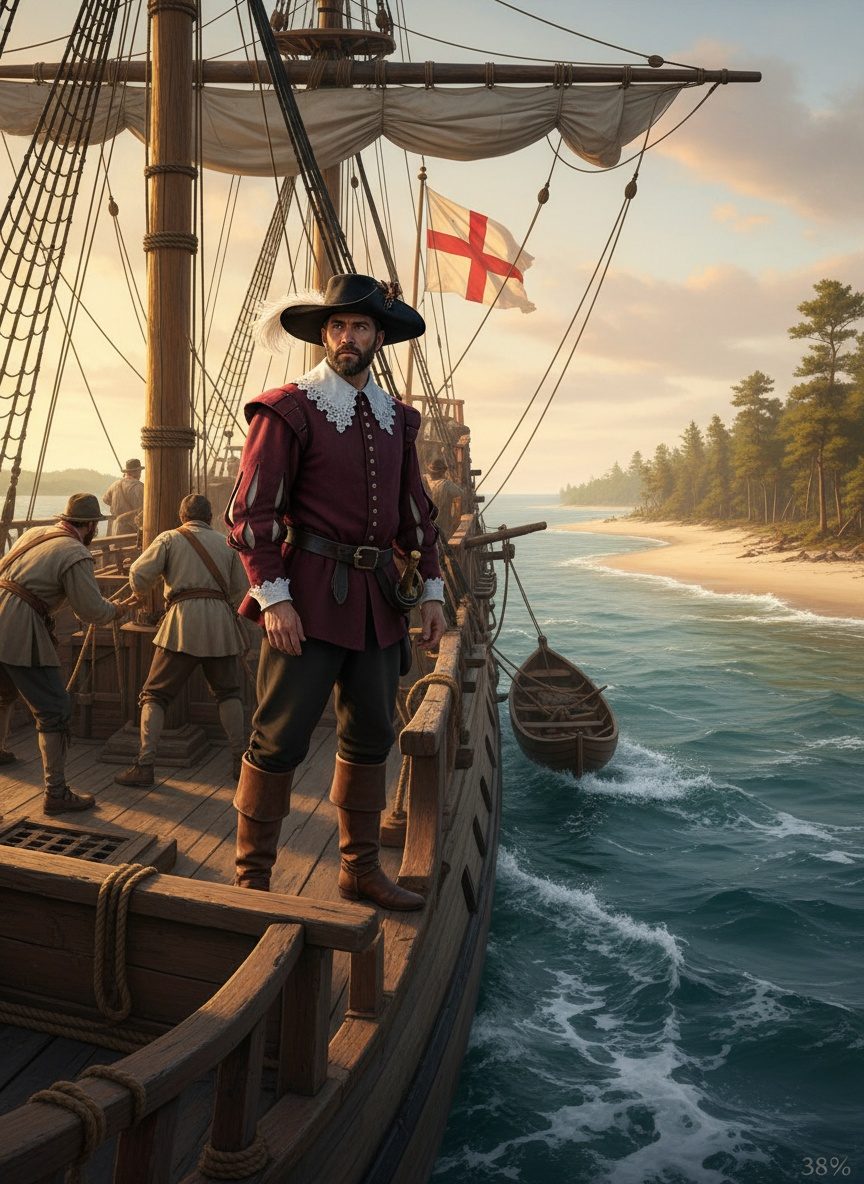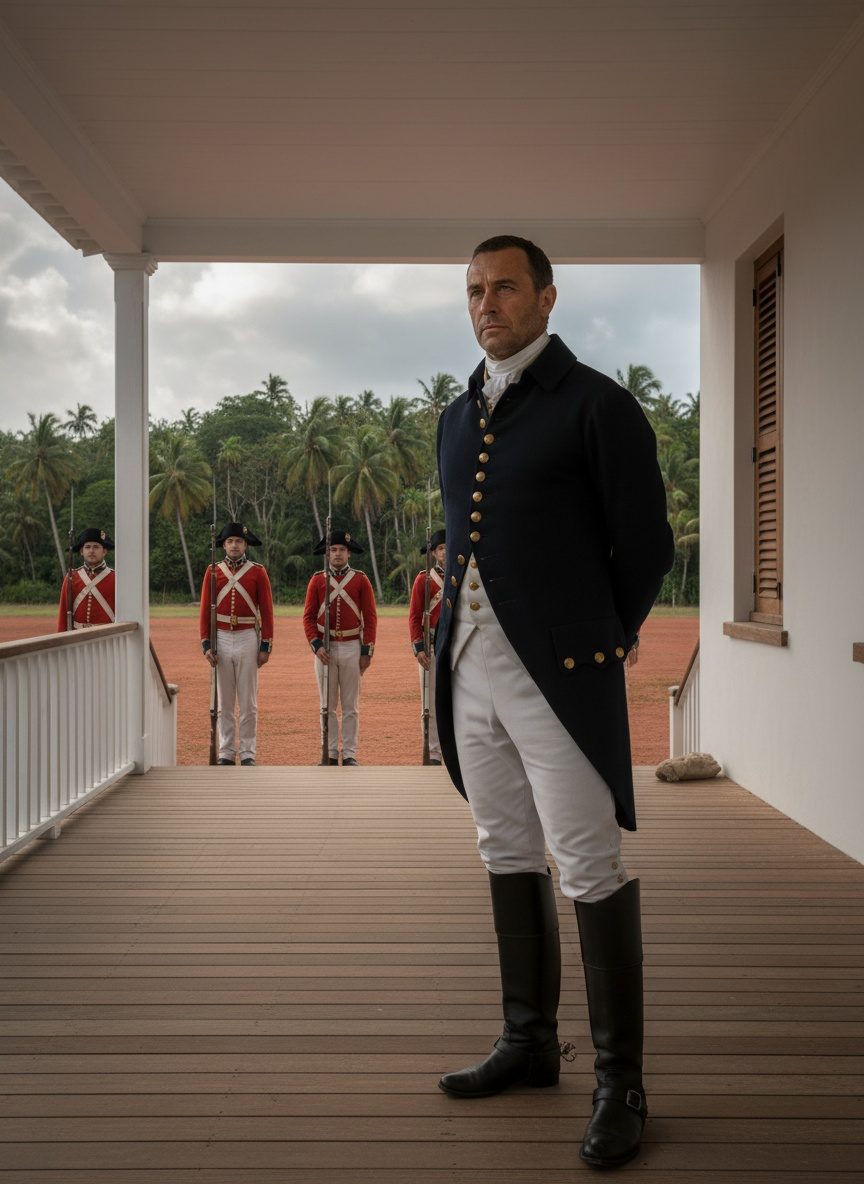
The stench of fever and sweat hung heavy in the air as Thomas Picton slashed through the thicket, his clothes clinging to him like a second skin. The relentless hum of mosquitoes orchestrated a maddening symphony in the oppressive heat, each bite reminding him of the dual enemies he fought: nature and neglect. As the newly appointed governor of Trinidad, Picton was not just battling the landscape, but the remnants of chaos that clung to an island half-tamed by its previous Spanish masters.
The Jungle Where Lawlessness Lurked
Trinidad in 1797 was a veritable Wild West of the Caribbean, a land where the laws of man faltered against the backdrop of a formidable natural world. The Spanish had left behind a broken system, with plantations lying in desolate abandonment, overrun by nature's uncompromising grasp. The faint whispers of civilization seemed like quaint memories when Picton arrived, tasked with the unenviable duty of transforming this untamed island into a bastion of British order. His predecessor's neglect had left the island teetering on the brink, a perilous dance with lawlessness that Picton was determined to end.
The new governor understood that first and foremost, a semblance of justice must be established. Picton turned the furious work of ax and saw towards the trees but directed his real efforts to crafting a judiciary hammer. Courthouses became his architectural priority amidst a reluctant acceptance of martial law's harsh truths. Through a mix of brutal efficiency and stark procedures, he imposed a semblance of order on the motley population, from former Spanish officials to rogue settlers and indigenous tribes. But the justice meted out was stern and at times savage, for Picton ruled under Georgian England's shadows where the colonial experiment knew no softened heart.
Paths Carved in Perseverance
As Picton's feet trod the newly hewn paths, cut strategically through the wild verdant growth, his mind was already constructing another layer of this colonial exercise—communication. Roads were not just practicalities; they were powerful veins of lifeblood essential to the flourishing of any colony. Each road extended the reach of the governor's gaze and the might of his rule. Through efficient management, the existing overgrown trails were transformed into thoroughfares capable of sustaining the carts and porter traffic vital for trade and governance. Here, every footstep symbolized not just progress but conquest over the jungle and the anarchy it shielded.
Roads did more than physically connect the burgeoning settlements; they spawned the germination of communities around them. Picton encouraged settlers and skilled hands from the British Isles and the periphery of the empire to secure lands along these inroads, building establishments to anchor them socially and economically into the landscape. The cutting of roadways became an axis of colonial ambitions, upon which towns began to bloom, even amidst the tribulations posed by malaria, yellow fever, and hostile weather.
The Human Harvest of the New World
Yet, it was the land's potential to yield crops that Picton knew would solidify Trinidad’s place within the empire's hungry coffers. He steered efforts towards revitalizing the plantation economy with a staunch focus on sugar, coffee, and cocoa—crops that had thrived under Spanish rule but lay in the shadow of neglect. The ancient musk of forgotten fields slowly gave way to the sweet promise of ripened cane, waiting to be pressed and shipped off for the empire's consumption.
However, breathing life back into an agricultural titan demanded not just vision but the sinews of a labor force. Here was where Picton walked a line shaped by the pragmatism and cruel ethos of his era. Slavery's chains forged much of this world's physical reality, and to Picton’s mind, it was yet a necessary cornerstone of colonial architecture. The moral entanglement with such practices is stark through a modern reflection, revealing a darker side to both colonization and Picton's governance.
The Foundation That Shaped the Future
Within three relentless years, Picton had crafted from the raw clay of Trinidad a colonial society with bones strong enough to support the enduring weight of British influence—an island once ensnared by lawlessness became an outpost of empire, flourishing in the Caribbean sun. The colony not only endured but prospered, its success becoming a template in the colonial playbook still shadowed by exploitation.
Yet, beyond the roads cut and courts established lies the indelible lesson of Trinidad's annexation: the complexity of taming raw land and boundless ambition. The human capacity to shape the wilderness into societal order stands juxtaposed against the awareness that such transformations seldom consider the cultural cost, especially to those whose voices were marginalized or silenced under colonial rule. As we turn the pages of history, sunlight filtering through its cracks, we uncover the duality of empire—the progress wrought and the pain etched within the fibers of a land newly claimed. The legacy of Picton's Trinidad offers reflections on the intertwined promise and peril of humankind's relentless urge to forge civilization from the raw essence of the Earth.