The Hum of History: A London Summer to Shape the World
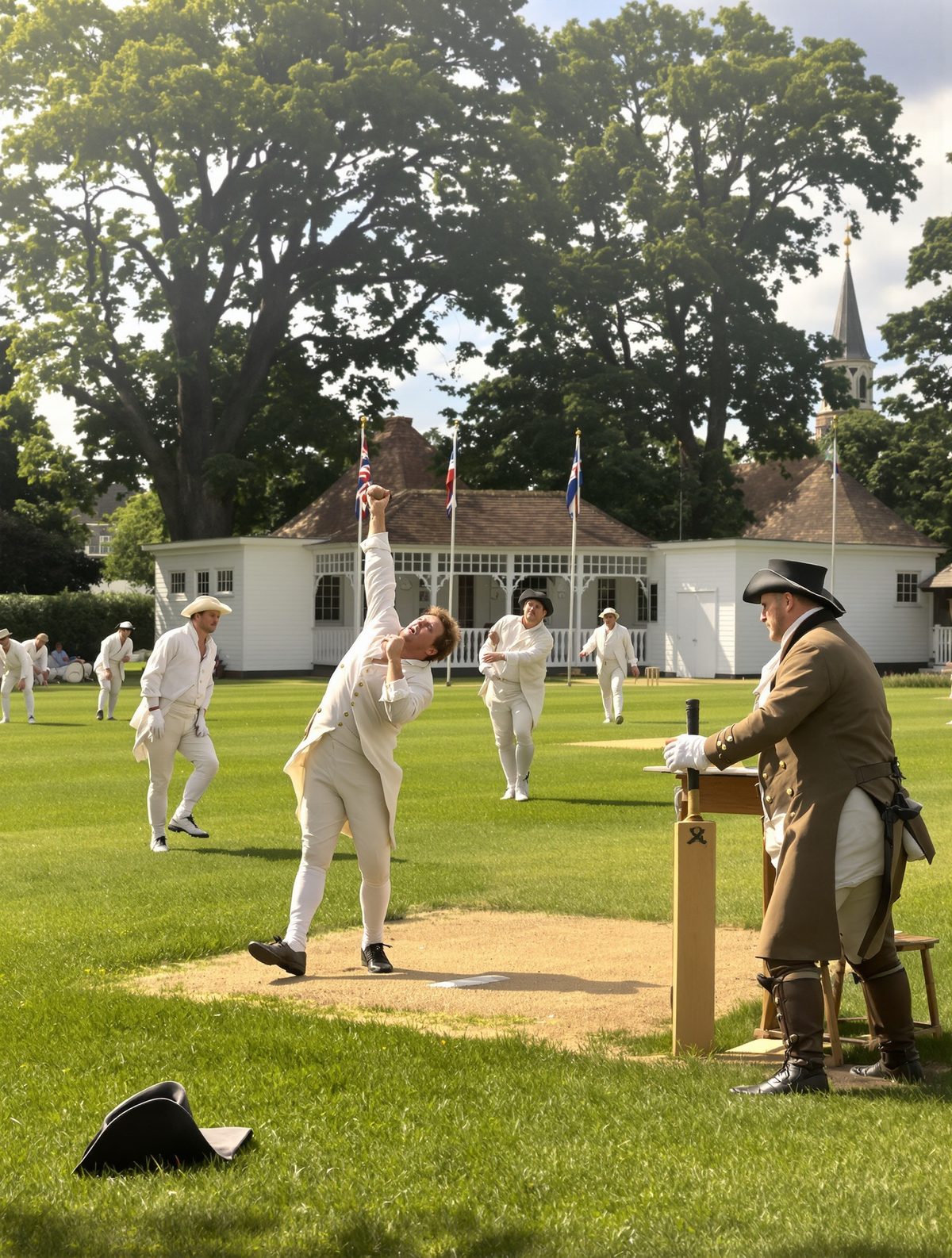
Picture this: the year is 1788, the air is thick with the promise of summer, and amid the hustle and bustle of Georgian London, a quiet revolution is brewing. Nestled in the heart of the city, a group of gentlemen gather at a modest pavilion in Marylebone. Yet, this is no ordinary assembly. Unbeknownst to them, these men are about to set into motion something far greater than themselves — the formal codification of a game already being played in fields and meadows — cricket. Little did they know that the *Laws of Cricket* they were penning would become a cultural artifact, stretching not only across the British Empire but forging connections throughout the world. Welcome to 1788, an unsung chapter of sporting history that seldom makes it to textbooks, yet altered the social fabric of over 100 nations.
The Marylebone Vision: Where It All Began
The Marylebone Cricket Club (MCC), calmly sitting in St John's Wood, London, was not much to behold at the time — merely a fledgling club compared to the venerable institutions we see today. But the MCC held one significant advantage: its passion for crafting the game. Founded in 1787 by Thomas Lord, the club quickly became the hub for cricket in England. With matches drawing large crowds, the need for a standardized rulebook arose — a formal set of guidelines to ensure fair play. This necessity birthed the Laws of Cricket, penned by a handful of MCC members in the summer of 1788. Ordinary men, their identities often overshadowed by their achievement, took charge. They could never have foreseen how their simple lines put to paper would someday influence billions.
What the Lawmakers Decreed
The original laws were deceptively simple — a mere 13 articles — yet they laid the foundation of the game that billions have played since. The 1788 rules included regulating the sizes of the bat and the wicket, defining the roles of bowler and batsman, and formalizing methods of dismissal (wicket!), many of which remain fundamental to the modern game. They established not just rules of the sport, but also its spirit — emphasizing fair play and gentlemanly conduct. Unlike many of the era's legalese-heavy documents, these laws were accessible, written with clarity that rendered them universal.
Beyond the Pitch: The Laws Take Flight
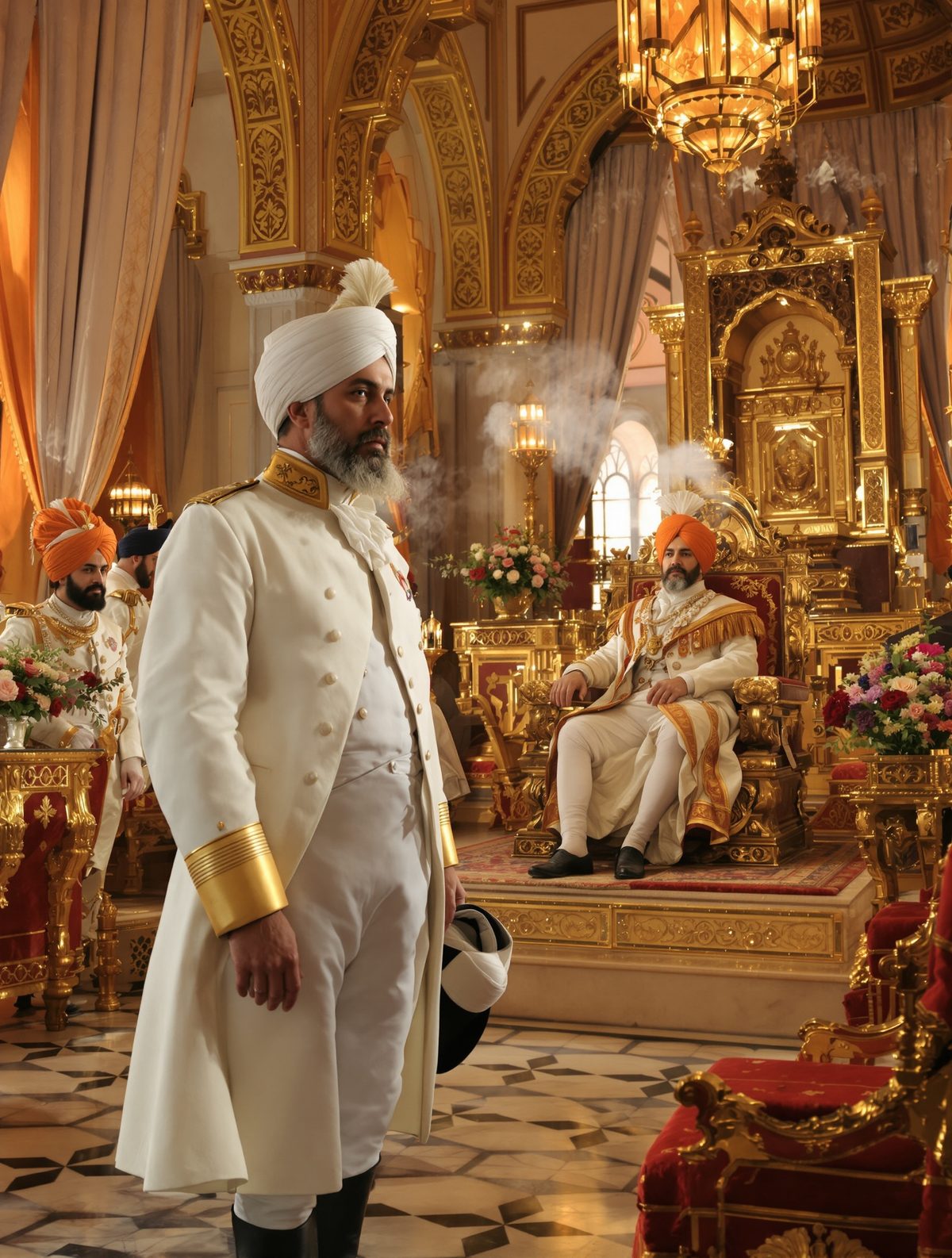
As British influence expanded, so did cricket’s allure. The ground-breaking laws transcended their local roots, mirroring the reach of the British Empire itself. From the colourful Caribbean to the rugged expanses of India, cricket became both a symbol of colonial dominance and cultural integration. Yet, what's fascinating is how regions, each with its unique cultures and customs, adopted and adapted the game, shaping it to their identity — an early form of globalization. The MCC’s modest beginnings belied the broad tapestry of human connection the laws of cricket helped weave. In 1808, the first recorded match in India was played by British soldiers in what is now Chennai. Within a century, cricket had found enthusiasts worldwide — a social currency that the Empire, knowingly or unknowingly, spent lavishly.
A Lesser-Known Legacy: Cricket's Unsung Heroes
While Thomas Lord and his pavilion might mark the birthplace of these rules, cricket’s unsung heroes lie within the ranks of its early adopters. At schools like Eton and Harrow, the game taught lessons potentially more instructive than mere bat and ball tactics. Among notable devotees was Winston Churchill's ancestor, the Duke of Marlborough, who purportedly played cricket at Blenheim Palace. Likewise, Sir Ralph Payne, known for his fiery spirit on both battlefield and pitch, championed the game in the Caribbean, establishing a tradition that would redefine success in West Indies cricket. Such figures were inadvertent ambassadors — silent shepherds of a revolution that made cricket a game of the people, not just the gentry.
Reflections: The World's Game Today
As we close the pages on cricket's covert yet profound beginnings, we must ask: why does this tale matter today? Consider the spectacle of cricket now — iconic contests like the Ashes, the global phenomenon of the Indian Premier League, and vibrant Caribbean T20 clashes. These high-intensity modern iterations owe their genesis to those straightforward laws penned centuries ago. In a world often divided by ideology and borders, cricket offers a unique sense of unity. How remarkable it is, that an English gentleman's summer pastime stitched together cultural narratives across time and space, extending an open invitation to any who pick up the willow. Through wars, revolutions, and ever-changing political landscapes, the game thrives on those same principles set out in London’s sunlit pavilions. This narrative reminds us that sometimes the pen — indeed, a lonely page of 13 articles — can wield mightier influence than the sword.