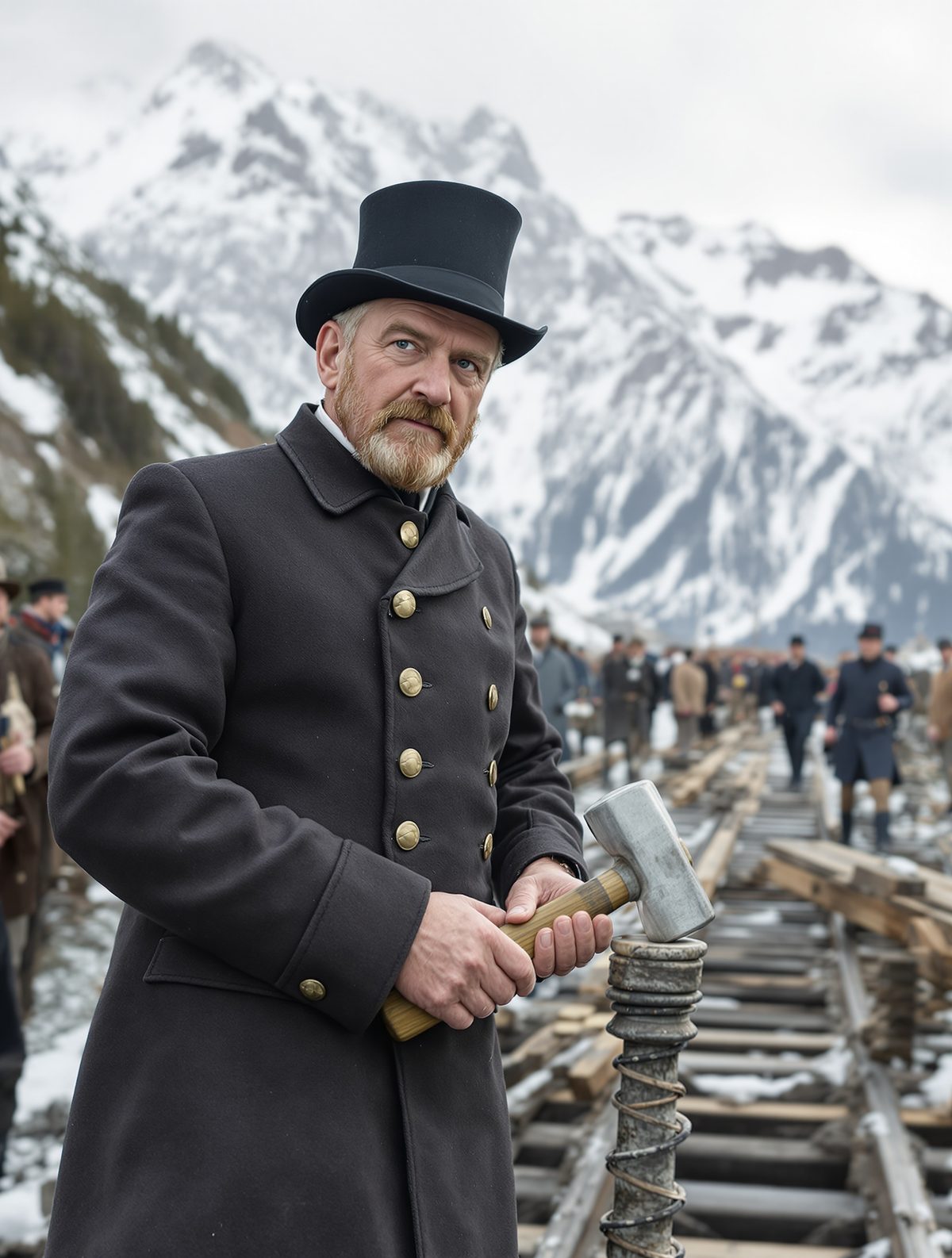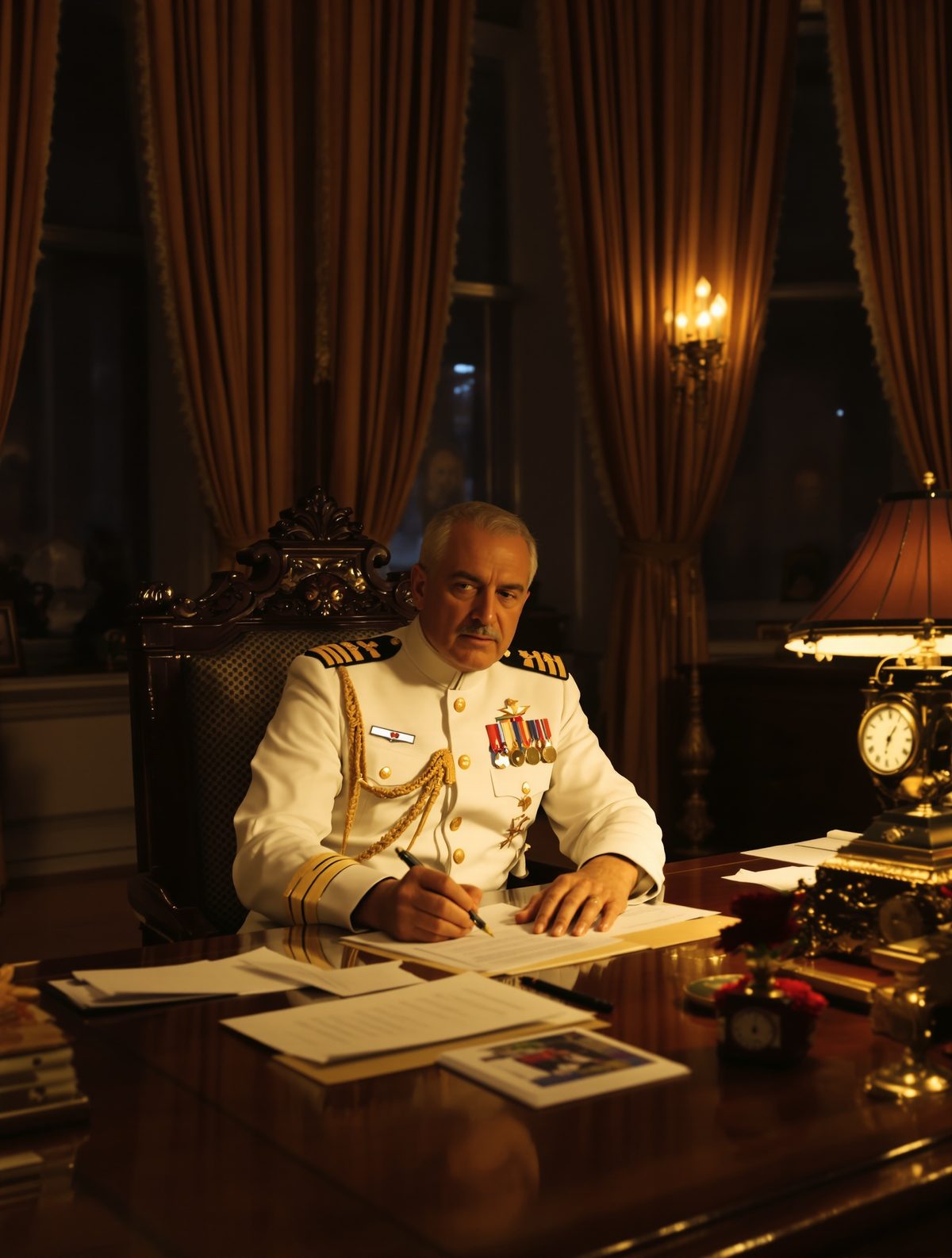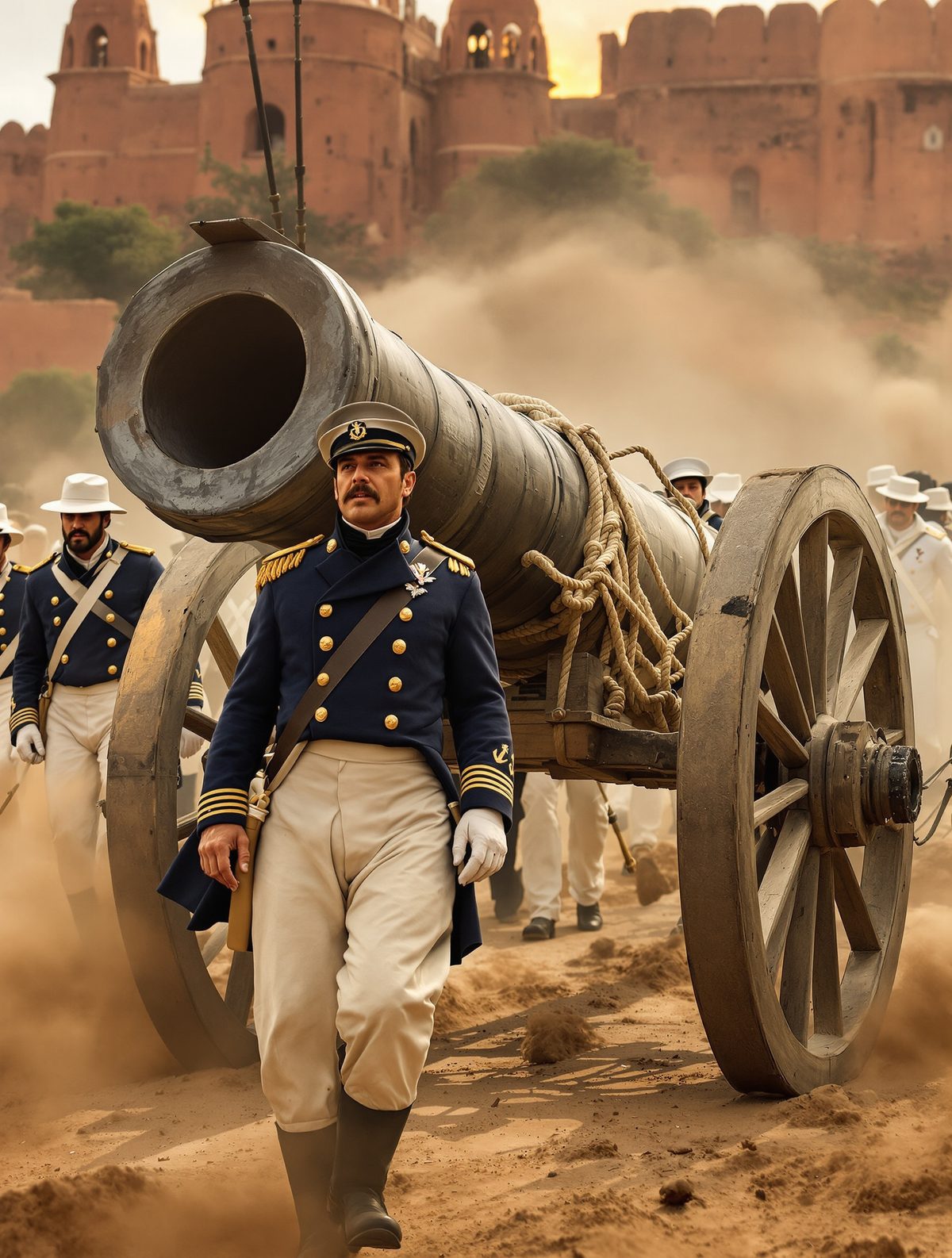
The salt spray stung Captain Arthur Phillip's weathered face as he peered through his telescope at the desolate shoreline stretching before him. After 252 days at sea, traversing half the globe with the most ambitious—and desperate—colonization mission in British history, this was what awaited them: a barren, windswept bay that looked more like nature's afterthought than the foundation of a new civilization.
It was January 18, 1788, and Phillip's heart must have sunk as low as the anchor chains rattling into Botany Bay's murky waters. Behind him, ten other ships bobbed uneasily in the exposed anchorage, their human cargo of 1,400 souls—convicts, marines, officials, and free settlers—anxiously awaiting their first glimpse of the land that would either become their salvation or their grave.
What happened next would reshape the map of the world forever, though not in the way anyone expected.
The Fleet That Carried a Nation's Shame
The First Fleet wasn't just a collection of ships—it was Britain's solution to an embarrassing problem. With American independence cutting off the traditional dumping ground for convicts, Britain's prisons were bursting at the seams. Hulks—decommissioned warships converted into floating prisons—lined the Thames, packed with desperate souls whose crimes ranged from stealing a handkerchief to highway robbery.
Phillip, a career naval officer with a reputation for both discipline and compassion, had been handed an impossible task: establish a self-sustaining colony 12,000 miles from home using predominantly criminal labor. His fleet included the flagship HMS Sirius, the armed tender HMS Supply, six convict transports, and three store ships loaded with everything from pickaxes to playing cards—the entire material foundation of a civilization compressed into wooden hulls.
The human cargo was equally diverse. Among the 778 convicts were pickpockets barely into their teens, political prisoners, and hardened criminals. But there were also skilled tradesmen—carpenters, blacksmiths, farmers—whose expertise would prove invaluable. What many don't realize is that roughly 188 were women, including some who would become the founding mothers of Australia's first European families.
Paradise Lost Before It Was Found
Captain James Cook had recommended Botany Bay eighteen years earlier, describing it as a promising site for settlement. But Cook had visited in autumn; Phillip arrived in the scorching Australian summer. The contrast between expectation and reality was devastating.
The bay offered virtually no shelter from the relentless southeast winds that turned the anchorage into a washing machine of whitecaps and spray. Fresh water was scarce—just a few brackish streams that barely qualified as drinkable. The soil, baked hard by the summer sun, looked about as fertile as a brick kiln. Worse still, the Eora people, the traditional owners of this land, watched warily from the tree line, understandably concerned about these pale strangers and their floating wooden islands.
Marine Captain Watkin Tench, whose diary would become one of our best sources for these events, wrote with characteristic understatement that the bay was "not without its disadvantages." In private correspondence, officers were far less diplomatic. Lieutenant William Bradley noted that the location was "a very poor place" with "very little fresh water."
But perhaps the most telling detail was this: within hours of landing, Phillip was already planning his escape from the very place he was supposed to colonize.
The Reconnaissance That Changed History
On January 21, just three days after arrival, Phillip made a decision that would echo through centuries. Taking the nimble HMS Supply and a small party of officers, he sailed north to investigate what Cook had briefly noted as "Port Jackson"—a name on a map that would soon become Sydney Harbour.
What Phillip found 12 miles north defied imagination. After days staring at Botany Bay's uninspiring coastline, Port Jackson must have seemed like a mirage. The harbor stretched inland for miles, its deep blue waters protected by towering sandstone cliffs. More than 50 secluded coves offered perfect anchorage for any size fleet. Fresh water cascaded down rocky faces in silver ribbons. The soil, rich and dark, practically begged for cultivation.
Lieutenant Phillip Gidley King, part of the reconnaissance party, captured the moment with infectious enthusiasm: "We had the satisfaction of finding the finest harbour in the world, in which a thousand sail of the line may ride in the most perfect security." This wasn't naval hyperbole—subsequent surveys confirmed that Port Jackson could indeed accommodate the entire Royal Navy with room to spare.
The Aboriginal people here, led by the Cadigal clan, seemed initially more curious than hostile. Phillip, who had strict orders to establish peaceful relations with indigenous peoples, saw this as an encouraging sign for future coexistence—though history would prove this optimism tragically misplaced.
Eight Days That Built a Nation
Back at Botany Bay, the situation was deteriorating rapidly. Two French ships under Jean-François de La Pérouse had arrived on January 26—a coincidence that sent shockwaves through the British expedition. Were the French planning their own colony? The presence of a rival European power turned Phillip's already urgent timeline into a race against time.
The encounter with La Pérouse was surreally civilized. The French were actually on a scientific expedition, not a colonization mission, but Phillip couldn't know this for certain. In one of history's more amusing footnotes, British and French officers exchanged pleasantries and even shared meals while their respective governments were locked in global competition for empire. La Pérouse's men were the last Europeans to see the First Fleet's convicts as they prepared for their monumental transition from floating prison to landed colony.
On January 26, 1788—the date now celebrated as Australia Day, though not without controversy—Phillip made his move. The entire fleet weighed anchor and sailed north to Port Jackson, leaving behind only the bitter disappointment of Botany Bay. The transition took just hours, but it represented one of the most consequential real estate decisions in human history.
The Birth of Sydney Cove
At Port Jackson, Phillip selected a cove on the southern shore for the main settlement, naming it Sydney Cove after Lord Sydney, the British Home Secretary who had orchestrated the entire expedition. The first boats landed at what is now Circular Quay, where the Sydney Opera House would rise nearly two centuries later.
The convicts stumbled ashore in chains, many seeing solid ground for the first time in eight months. Some could barely walk after months of confinement. Others fell to their knees and kissed the earth. For many, this strange land would be both their prison and their salvation—they were forbidden to return to Britain, but they were also free to build new lives from nothing.
Phillip's first order of business was establishing the rule of law. On February 7, 1788, he read his commission as Governor and established civil government. In a ceremony that mixed British pomp with frontier pragmatism, the Union Jack was raised while marines fired volleys and convicts looked on in bewilderment. New South Wales—named for its supposed resemblance to the Welsh coast—officially became Britain's newest colony.
What followed were years of near-starvation, conflict with Aboriginal peoples, and the gradual transformation of a penal colony into something approaching a functioning society. But it all began with those eight crucial days when Phillip chose paradise over the abyss.
The Decision That Echoes Through Time
Today, Sydney stands as one of the world's great cities, its iconic harbor bridge and opera house symbols of prosperity and culture that would have been unimaginable to those first bedraggled convicts. Meanwhile, Botany Bay—though it eventually became an important industrial site—remains largely what Phillip found: a windswept, utilitarian landscape that whispers of what might have been.
Phillip's decision reminds us that history often turns on moments of practical wisdom rather than grand gestures. A naval captain's professional assessment of anchorage and fresh water supplies changed the trajectory of an entire continent. It's a testament to the power of adaptability over rigid planning, of choosing reality over expectation.
But perhaps most importantly, it demonstrates how the landscapes we take for granted—the cities where we live, the harbors where we work—often exist because someone, somewhere, made a snap decision that seemed minor at the time. Sydney's gleaming towers and bustling harbor exist because Arthur Phillip was practical enough to admit when he was wrong and bold enough to start over. In our age of climate change and urban planning challenges, there's wisdom in remembering that the best solutions sometimes require abandoning our first attempts and searching for something better just over the horizon.