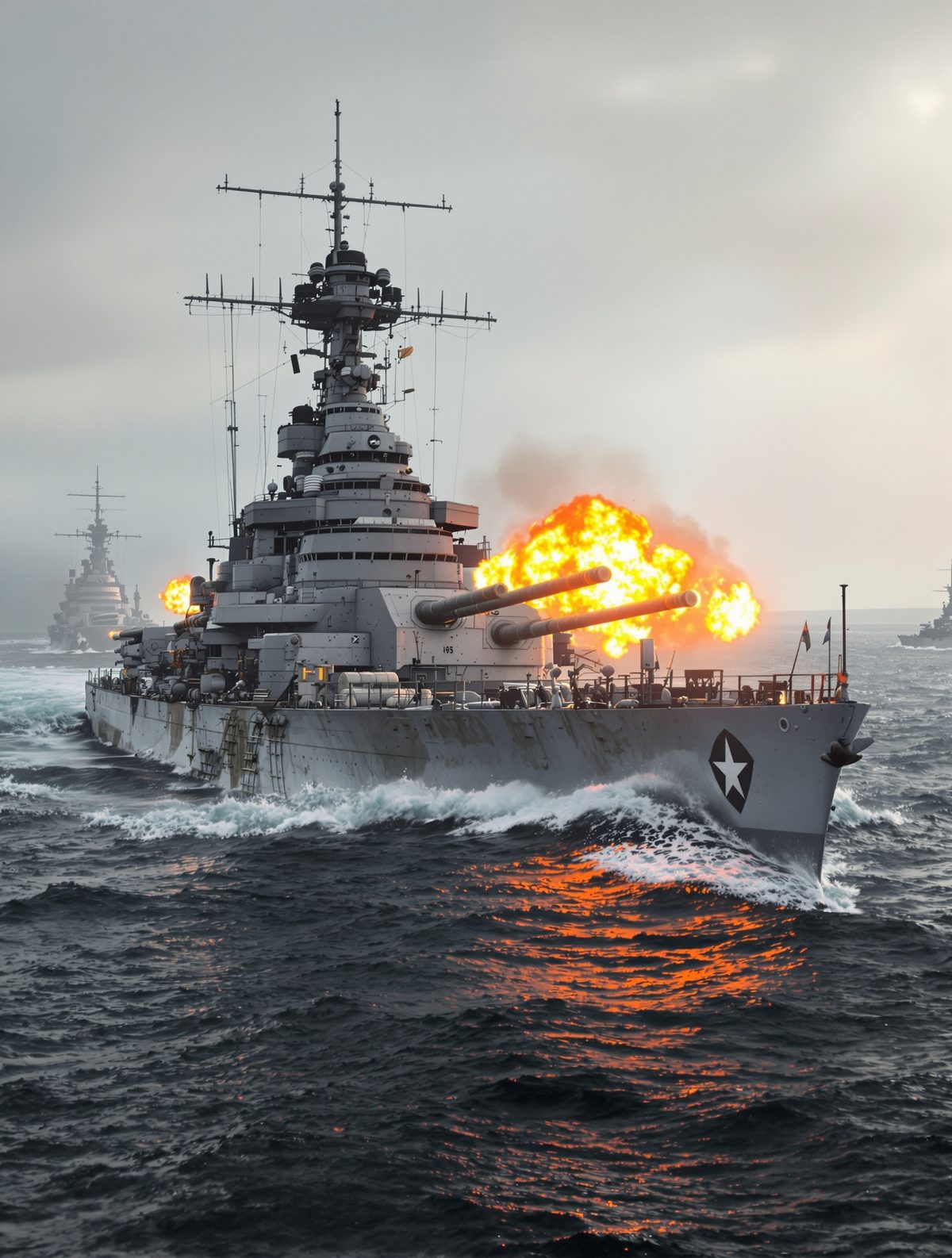
The morning mist clung to the Arabian Sea like a shroud as Captain Thomas Best peered through his spyglass at the horizon. What he saw should have sent any reasonable man fleeing back to England with his tail between his legs. Stretched across the waters off Bombay like a floating fortress lay the pride of Portugal's Eastern empire—dozens of warships bristling with cannon, their red and gold banners snapping in the monsoon breeze. Against this armada, Best commanded just four English vessels, their hulls scarred by months at sea and their crews exhausted from the brutal journey around the Cape of Good Hope.
It was January 1612, and the fate of English ambitions in India hung in the balance. For over a century, Portugal had ruled the Indian Ocean as their private lake, crushing anyone who dared challenge their monopoly on the spice trade. Now, with nothing but audacity and superior seamanship, a stubborn English captain was about to shatter that dominance forever.
The Dragon Enters the Lion's Den
Thomas Best was no ordinary merchant captain. A veteran of England's emerging maritime empire, he commanded the Dragon, a formidable 600-ton galleon that served as flagship of the East India Company's fourth voyage to the Indies. Accompanying him were three smaller vessels: the Hosiander, James, and Solomon—a modest force that looked almost comical beside the Portuguese fleet.
The Portuguese had every reason to feel confident. Their Estado da Índia stretched from East Africa to Macau, built on a foundation of naval supremacy that had gone unchallenged for generations. Their captains wore silk and gold, their ships carried the finest bronze cannon money could buy, and their fortresses dotted the coastline like an unbreakable chain. The English, by contrast, were relative newcomers—merchant adventurers chasing profits in waters where Portuguese admirals had once fed rivals to the sharks.
But Best possessed something the Portuguese had grown complacent without: desperation born of necessity. The English East India Company was hemorrhaging money. Earlier expeditions had met with mixed success, and without a decisive breakthrough in India, England's eastern ambitions might die in their infancy. Everything depended on securing trading rights from the Mughal Empire—and the Portuguese fleet now blocking Bombay harbor stood squarely in his path.
When Titans Clash in Paradise
The first encounter came on January 19th, when Best's squadron attempted to enter Surat's outer harbor. The Portuguese commander, Dom Luís da Gama, had positioned his ships to control the vital sea lanes leading to India's western ports. His flagship, the massive Nossa Senhora da Conceição, mounted over 60 guns and carried a crew of 400 men—more than Best's entire squadron combined.
What followed defied every expectation of 17th-century naval warfare. Instead of the static, close-quarters slugging matches that typically decided such encounters, Best employed revolutionary tactics that left his enemies reeling. The English ships moved with startling speed and coordination, their crews trained in new techniques of sail handling that allowed them to outmaneuver the heavier Portuguese vessels.
The Dragon's gunners had perfected something the Portuguese hadn't seen before: rapid, aimed fire designed to destroy rigging and disable enemy ships rather than simply pound their hulls to splinters. While Portuguese cannon boomed ineffectively across the waves, English shot methodically shredded sails and severed lines, turning proud galleons into helpless floating targets.
The Art of Impossible Victory
Best's master stroke came during the second major engagement on January 29th. Facing overwhelming odds, he split his tiny force, sending the smaller vessels to create diversions while the Dragon drove straight into the heart of the Portuguese formation. It was either brilliant strategy or suicidal madness—possibly both.
The English flagship's approach caught the Portuguese completely off guard. Their heavy ships, designed for the stately naval warfare of an earlier era, couldn't adjust quickly enough to Best's aggressive tactics. The Dragon raked the enemy line with devastating broadsides, her experienced gunners pouring shot into Portuguese hulls at point-blank range before slipping away like a ghost in the powder smoke.
Perhaps most remarkably, Best achieved something unprecedented in the annals of naval warfare: he captured the wind. Using superior seamanship and knowledge of local conditions, the English ships consistently positioned themselves upwind of their enemies, allowing them to choose when and how to engage while denying the Portuguese the same luxury. It was David versus Goliath played out on an oceanic stage, with cunning triumphing over raw power.
The Psychological Shockwave
The battles off Bombay sent tremors throughout the Portuguese empire that had nothing to do with cannon fire. For over a century, Portuguese naval supremacy had rested as much on reputation as reality. Local rulers paid tribute, rival European powers stayed away, and merchants accepted Portuguese terms because everyone "knew" their fleet was invincible.
Best's victory shattered that illusion in the most public way possible. Word spread like wildfire through Indian markets, Mughal courts, and European trading posts: four English ships had humiliated Portugal's entire western fleet. The psychological impact was devastating. If the Portuguese could be beaten so decisively by such a small force, what did that say about their much-vaunted dominance?
The Mughal officials watching from Surat's walls drew the obvious conclusion. These English newcomers possessed something valuable—naval technology and tactics that could potentially free Indian commerce from Portuguese stranglehold. Within weeks, Best found Mughal doors opening that had remained firmly shut to European traders for decades.
Seeds of Empire in Victory's Wake
The immediate fruits of Best's triumph were tangible and enormous. The East India Company secured its first major trading privileges on the Indian subcontinent, establishing factories at Surat and other key ports. More importantly, the victory demonstrated that Portugal's Indian Ocean empire was not the unshakeable monolith it appeared to be.
But the deeper consequences took decades to unfold. Best's victory marked the beginning of England's transformation from European island kingdom to global maritime empire. The trading posts established in victory's wake would eventually become the foundations of British India. The naval tactics pioneered in these battles would evolve into the fighting methods that later defeated the Spanish Armada's successors and secured British control of the seas.
The Portuguese, meanwhile, never fully recovered their prestige in Indian waters. Their empire gradually contracted as Dutch, French, and English competitors carved away territories once considered impregnable Portuguese possessions.
Echoes Across the Centuries
Today, as global powers vie for influence in the same waters where Best faced impossible odds, his victory offers timeless lessons about the nature of power and competition. The Portuguese empire's greatest weakness wasn't inferior ships or cowardly crews—it was complacency born of unchallenged dominance.
In our own age of rapidly shifting geopolitical balance, Best's triumph reminds us that established powers ignore upstart challengers at their peril. Four weather-beaten English ships changed the course of world history not through superior numbers or resources, but through innovation, determination, and willingness to risk everything on a single throw of the dice.
The mists that shrouded Bombay harbor on that fateful January morning eventually lifted, revealing a new world where English merchants could trade freely in Indian ports. But perhaps the most profound change was invisible: the birth of a national confidence that would carry England from the margins of European power to the center of a global empire. Sometimes the most important battles are fought not for territory or treasure, but for the right to dream of impossible things—and then make them real.