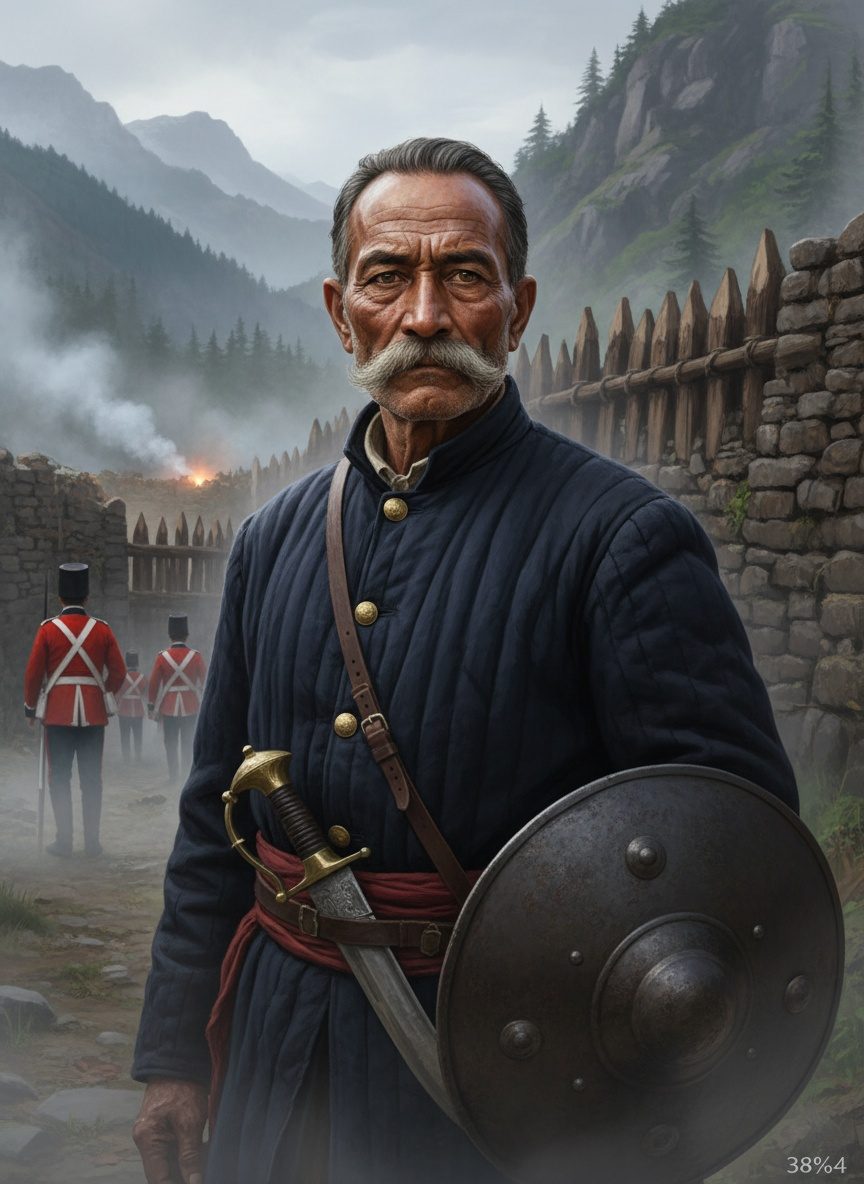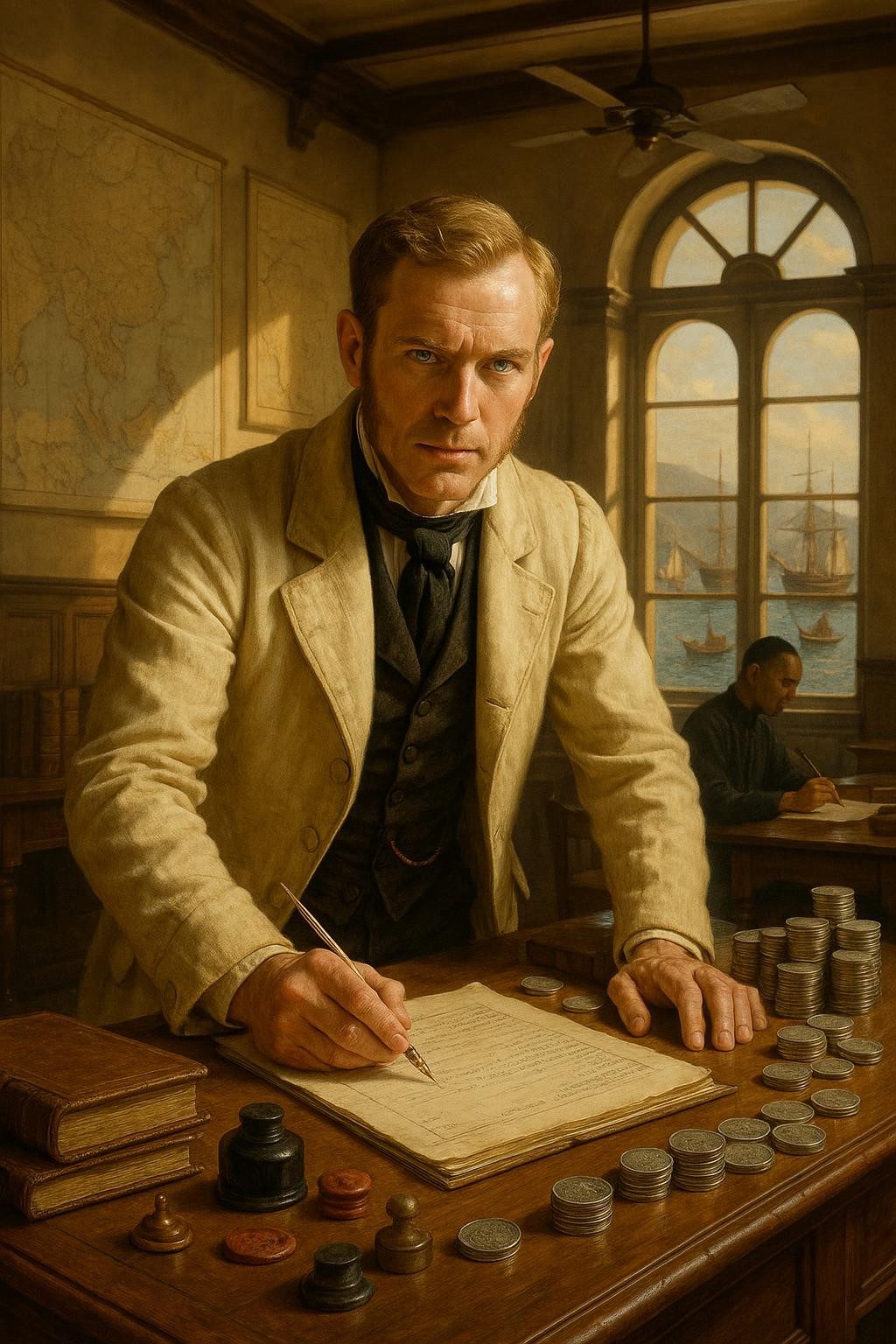
India's Victorian-era postal dak system was considered reliable. For the dak runners, it was a test of survival.
In the 1870s, when Britain's colonial ambitions were stitched together by threads of communication across the sprawling subcontinent, India boasted the most audacious mail network in existence. Carved from the passions and perils of its time, this vast web of postal routes stretched over 1,800 miles. It defied thundering monsoon rains and the omnipresent specter of the jungle’s formidable wildlife. But behind the statistics and logistical marvels lay a human tale, one that was often eclipsed by the brunt of industrial progress: the tireless dedication and sheer tenacity of the dak runners.
These men, often barefoot, traversed the most inhospitable terrains under the cloak of darkness. The chirp of cicadas and the distant roar of a tiger were their only companions. With a burning lantern in one hand and a spear in the other, they transformed the night into their workplace. Under these stars, they covered approximately 60 miles nightly, bound by duty and often by honor to deliver messages that linked emperors to officials, families to distant relatives. Unlike the telegraph that faltered in storms or due to human error, the dak runner knew no such luxury of failure.
The allure of the unknown, the thrill, and the danger of the wild were intrinsic parts of their journey. Crossing rivers teeming with crocodiles, they outsmarted the snags below the water's surface. Where bridges were non-existent, their faith lay in dugout canoes and the dance of the river. Their routes took them through dense forests where each crackling leaf was a potential harbinger of doom, as tigers patrolled their territories with sanguine ferocity. Yet, these barriers seemed diminutive compared to the strength of their resolve.
The Indian dak system was far from primitive in its organization. To keep pace and accuracy, the message-passing relay system was meticulously planned. The runners gathered at designated points along the route, where fresh legs would continue the journey. This relay, akin to a baton race, was a marvel of synchronization and understanding over its sprawling length. The complexity of this operation was invisible to those who relied on it, who expected a letter on their doorstep thirty days after dispatching it across the subcontinent. Yet, each successful delivery required a symphony of coordination played out by nameless and faceless orchestras.
The calling of the dak runner did not rely solely on physical prowess. Their memory was their map, enabling them to traverse paths invisible to all but their own, despite the challenges thrown up by a frequently changing landscape. Floodwaters would surge, submerging footpaths and making them unrecognizable. Landslides and felled trees were transient hurdles in an ever-evolving labyrinth they memorized anew with each journey. Their intellect ensured they matched the indomitable elements head-on.
This line of work was not extravagant, nor did it promise riches. The runners carrying messages wrapped in waterproof cloth were sometimes compensated with a modest monthly wage, barely enough to sustain their families or buy the necessities they required. Yet, what propelled them forward was often a greater sense of purpose, perhaps intertwined with the virtues of honor or familial allegiance. To deliver a message was to breathe life into words for others — and sometimes to save a life with its timely delivery.
The introduction of the telegraph in colonial India brought with it whispers of technology usurping the manual prowess of human endeavor. Yet, in the backdrop of this changing world, the dak runners held onto their legacy with an unyielding grip. Technical failures, whether by equipment or human erratum, often besieged the telegraph. In contrast, the human machinery of the dak runners was staunchly resistant to such frailties.
As the world shifted beneath their feet, these runners marched on, their silhouettes dancing in rhythm with the flicker of lanterns suspended against the night’s veil. Each step was taken with the knowledge that they were part of something much larger than themselves — part of a living, breathing network that pulsed across the heart of Mother India. In the grand tapestry of empire, these brave souls stood as unsung pillars holding aloft messages that shaped destinies.
The story of the dak runners in British India offers an underappreciated glimpse into the resilience and resourcefulness that defined an era of rapid change. Their legacy is written not just in letters delivered but in the fiery determination found within those who understand the significance of endurance against all odds. In a world increasingly reliant on machines, remembering the humanity and bravery of India's dak runners serves as a poignant reminder of the incredible feats accomplished by ordinary people facing extraordinary challenges.