Most people have never heard of John Hawkins' harrowing 1568 voyage. They should have.
The Trap at San Juan de Ulúa
On a sweltering September day in 1568, John Hawkins, a prominent Elizabethan privateer and naval commander, steered his fleet into the Gulf of Mexico, aiming for safe harbor at the Spanish-port of San Juan de Ulúa. What transpired there was a nightmare none could foresee. A trap laid by the Spanish naval forces ensnared Hawkins and his fleet, tearing at the very fabric of an enterprise that had once promised riches and glory.
The voyage had started with high hopes and grand ambitions. Hawkins, often in collaboration with his cousin, the famous Francis Drake, had embarked on what was ostensibly a legitimate trading expedition. Though commerce it was, their goods were sourced through methods the Spanish Crown would not condone—acquiring goods illicitly from their New World colonies. Unfortunately, Spanish tolerance for English ventures in the Caribbean was as fragile as the treaties that overshadowed them. As Hawkins’ ships sought refuge from an impending storm, little did they know the Spanish had fortified the port, encircling it with a fleet that vastly outnumbered Hawkins' battered ensemble.
The Decision That Changed the Voyage
Confronted by grim realities, Hawkins faced the cruelest of decisions. His initial fleet, once a formidable seven ships strong, was reduced to splinters. The only remnants were two heavily damaged vessels, the Minion and the Judith. With 600 men but space to accommodate only 200 on the seaworthy remains, Hawkins found himself at an impasse that would shape the destiny of his men and test the limits of human endurance.
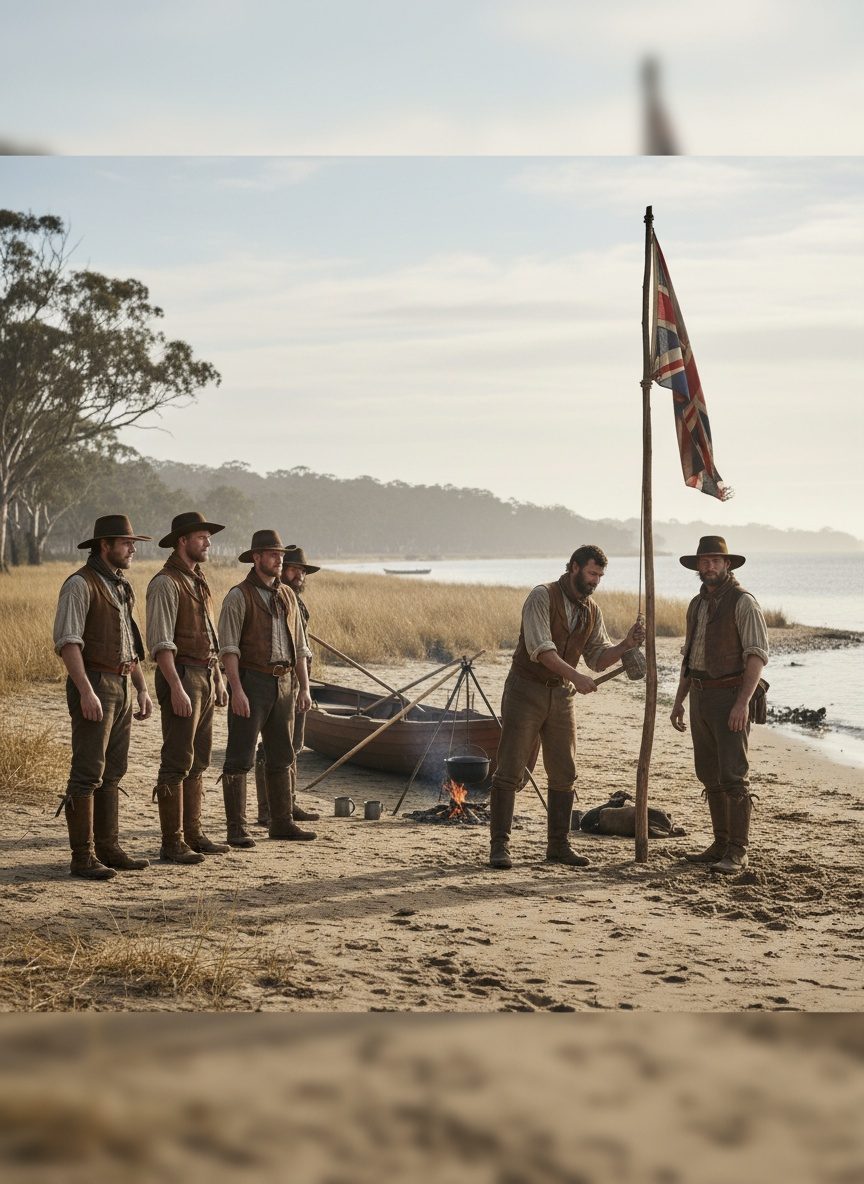
The numbers offered little mercy; to overburden the vessels meant certain death for all through starvation and disease. Yet, to leave men behind was unthinkable. In a decision both pragmatic and heartrending, Hawkins loaded his vessels beyond their intended capacity, taking 300 men—a number destined to push every boundary of survival. The remaining 114 men, left on the shore with meager supplies and scant hope of rescue, vanished from history but not from memory.
Against the Tempest: A Fight for Survival
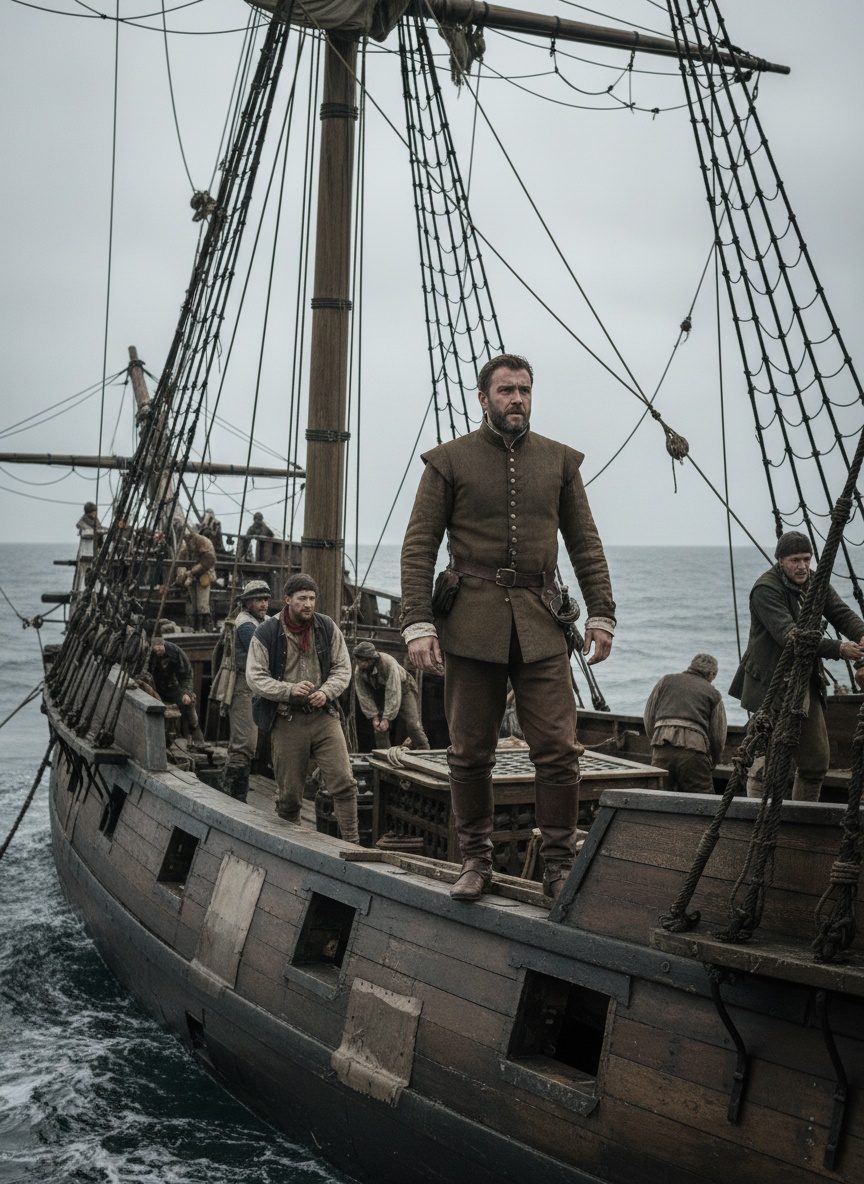
The journey across the Atlantic was a gauntlet of relentless storms and unforgiving seas. Struggling with the elements, hunger gnawed at the bellies of the men huddled in the holds of the decimated Minion and Judith. Food supplies dwindled rapidly, forcing Hawkins to ration what little remained. Salted beef and hardtack, the naval staples, became scarce luxuries. Desperation fed rumors of mutiny, and the threat of disease haunted every wave that slammed against the quivering hulls.
The decision to push out in such dire circumstances demonstrated an endurance fueled more by desperation than by hope. Unwavering, Hawkins maintained command, steering the ships through ominous waters with determination forged in the fires of adversity. Yet the journey was not without its losses. Many succumbed to the harsh conditions, their bodies committed to the deep in silent testament to Hawkins’ grim resolve.
The Painful Return
After weeks adrift, and with scarcely a prayer between them besides Hawkins’ stubborn resolve, the English Channel loomed in the horizon. Their journey had nearly broken them, yet the survivors clung to life with a tenacity as fierce as the Atlantic wrath they’d defied.
Upon their arrival, what should have been jubilation was tempered by somber reflection. England welcomed the weary sailors, but it was clear this was not the triumphant return Hawkins had envisioned. Whispers of the decision made on a distant beach followed him, casting shadows over his achievements and igniting disquiet within the tapestry of his legacy. Yet, despite the criticism, Hawkins’ ordeal ushered new perspectives on naval strategy, emphasizing the perils of distant waters and reinforcing the need for better preparations against the unforeseen.
Echoes of Filled Horizons
Though much of this episode has faded from textbooks, its reverberations were felt for years, shaping an England that soon embraced a more aggressive maritime expansion. The ghosts of the men left behind haunted Hawkins and influenced how the English Crown envisioned its naval aspirations. New safeguards, namely in the form of heavily armed escorts, arose directly from the lesson Hawkins’ men paid for in blood and sacrifice.
This tale, tinged with the sepia of human struggle, reminds us of the resilience required to forge a place in the world against formidable odds. Hawkins and his ill-fated voyage underscore a moment in time where humanity clashed with unforgiving nature and political intrigue, charting a course that, knowingly or not, set the stage for centuries in which Britannia would indeed rule the waves. While the history books may overlook the anguished choices and sacrifices of these men, their story remains etched on the tides of time, a testament to endurance amid despair.