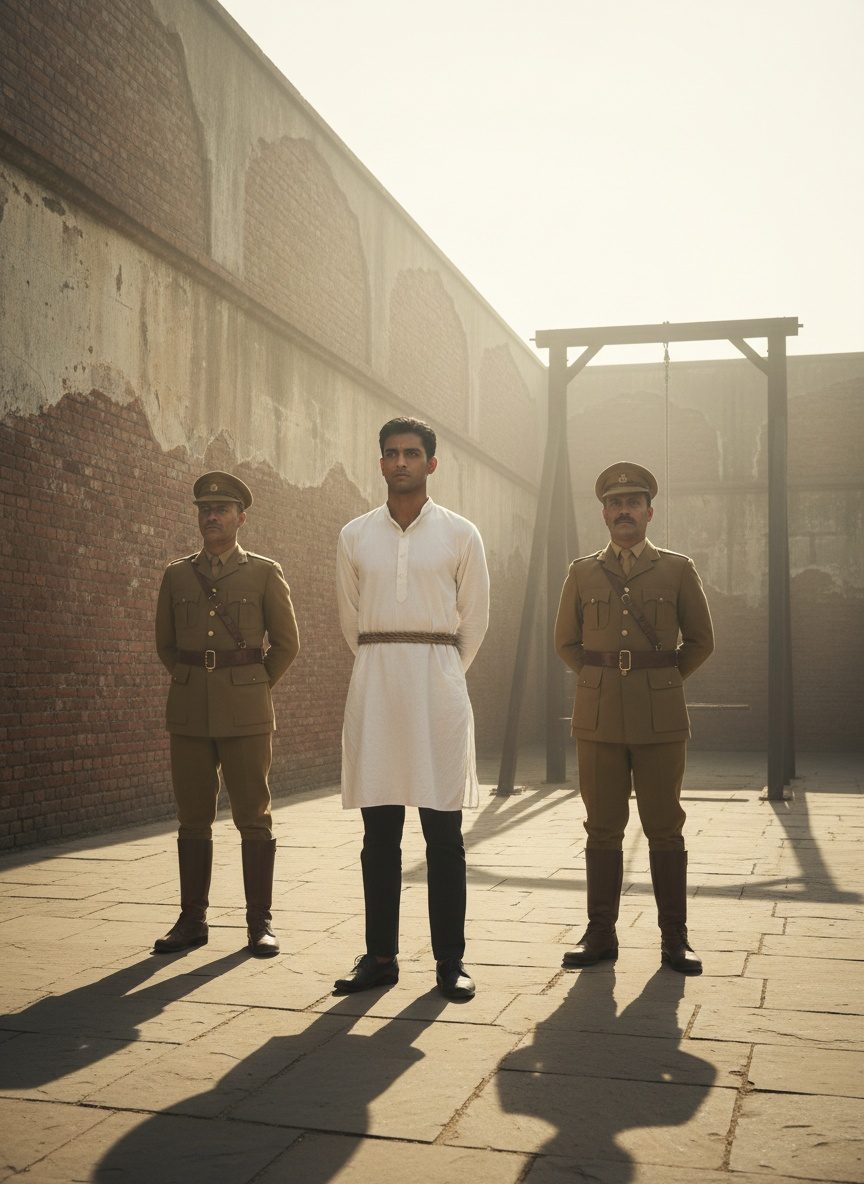
May 10, 1857. The air was alive with tension in Meerut.
As dusk turned to night, an unexpected tumult erupted within the ranks of the East India Company's Bengal Army. The sepoys, Indian soldiers who were vital cogs in the Company's military machinery, had finally broken the bonds of quiet discontent. Disquiet had brewed for months over issues ranging from religious disrespect to deep-seated grievances about poor pay and limited prospects for advancement. What began as murmurings had now escalated into a full-blown insurrection, the flashpoint igniting the wider conflagration known as the Indian Mutiny or the First War of Indian Independence.
The Silent Signals
Amid the chaos that consumed Meerut and soon Delhi, a thread of communication stitched together crucial knowledge that would alter the Empire’s response. This thread was the telegraph — a marvel of the Victorian era that had, quite literally, wired the British Empire. At the heart of this precarious network were the telegraph boys, unsung yet pivotal figures in this historical drama.
In Delhi, the telegraph house hummed with frenetic energy. Operators William Brendish and J. W. Pilkington, both British and well aware of their precarious predicament, were surrounded by young Indian telegraph boys whose training was barely complete. Yet, in the fog of uncertainty, these operators demonstrated resolve that belied their circumstances. As mutinous forces closed in on the telegraph stations, they continued transmitting warnings — desperate messages crackling down the line that spelled out the impending doom.
The telegraph boys, many of whom were Indian, worked tirelessly alongside their British superiors. They were part of a fragile link in the Board of Control’s strategic web. The warnings they dispatched were succinct, succinct enough to be concealed within the rhythmic pulses of the telegraph. Calcutta, the seat of British power in India, was leagues away, oblivious to the storm unfurling in the north. But within moments — an astonishing feat given the era — the foreboding signals made their way to the safety of Calcutta. This head start of critical hours gave the British the advantage they needed to regroup and strategize a response.
The Crucial Wire
British India stretched like a sprawling colossus, its limbs composed of various regional entities and myriad cultures, all connected tenuously by the veins of the Empire’s infrastructure. Among these veins, the telegraph wire was both a marvel and a vulnerability. The efficiency of the telegraph system, implemented mere years before the revolt, was now put to the ultimate test.
The urgency of that swift communication cannot be overstated. With word of the uprising swiftly reaching Ambala, a strategic military cantonment, and onward to Calcutta, it bought the British vital time. The integrity of the telegraph network during this period was nothing less than precarious. Poles had been erected at great human and financial expense, over terrain that was by turns unyielding and treacherous, bridging the gap between scattered settlements and military outposts.
The telegraph operators and boys, often unsheltered from the volatile rage of the mutiny, became targets themselves. Mobs, fueled by fervor and a sense of reprisal, sought to dismantle this lifeline of communication. Yet, it would not be inaccurate to describe the survival and efficacy of the telegraph lines as one of the unforeseen triumphs of imperial technology. Dogs barked warnings in the night, bulletins ticked out warnings, and as sabers clashed in the distance, this silent network continued to snap out its prescient cautions.
One can only imagine the scene inside the telegraph houses: steady hands punching messages through while chaos reigned outside, the deafening clatter of equipment juxtaposed with the unnerving silence of knowing this could be the last message ever sent.
The Aftermath and Legacy
The warnings tapped out by Brendish, Pilkington, and their Indian colleagues played an instrumental role in shaping the course of the mutiny. The British were able to intercept plans, reinforce troops in threatened areas, and safeguard cities that could have otherwise fallen. However, this was not to say that all was smooth for the British thereafter; it took over a year of brutal and turbulent conflict to quell the mutiny.
Lives were lost; entire communities were engulfed in the mutiny's fury. In places where the telegraph boys once stood, now there might be only echoes of the past. Their role, largely overshadowed by the grand historical narratives of the battle for India's future, remains a brightly glimmering thread in the intricate tapestry of history. They showed that raw courage and innovation could tip the scales even amidst the roar of empire collapse.
Today, as we delve back into this layered history, we find the lessons of 1857 resonating deeply with our modern era. It reminds us that the stories of those who toiled silently, soldering wires and sending urgent missives across distances both physical and ideological, are equally the stories of empire and revolution. In our age of instant communication, the crackling urgency of those telegraphic warnings raises questions about how information — and who conveys it — continues to shape destinies. The legacy of India's telegraph boys endures, not just in records and remnants, but in the indomitable spirit of communication as a force for change.