He was not the governor. Yet, in 1793, Peter Martin—a free black man from the modest town of Newark—catalyzed a profound transformation in Upper Canada. His involvement in a momentous event reshaped the landscape of slavery in British North America.
The Witness Who Woke the World
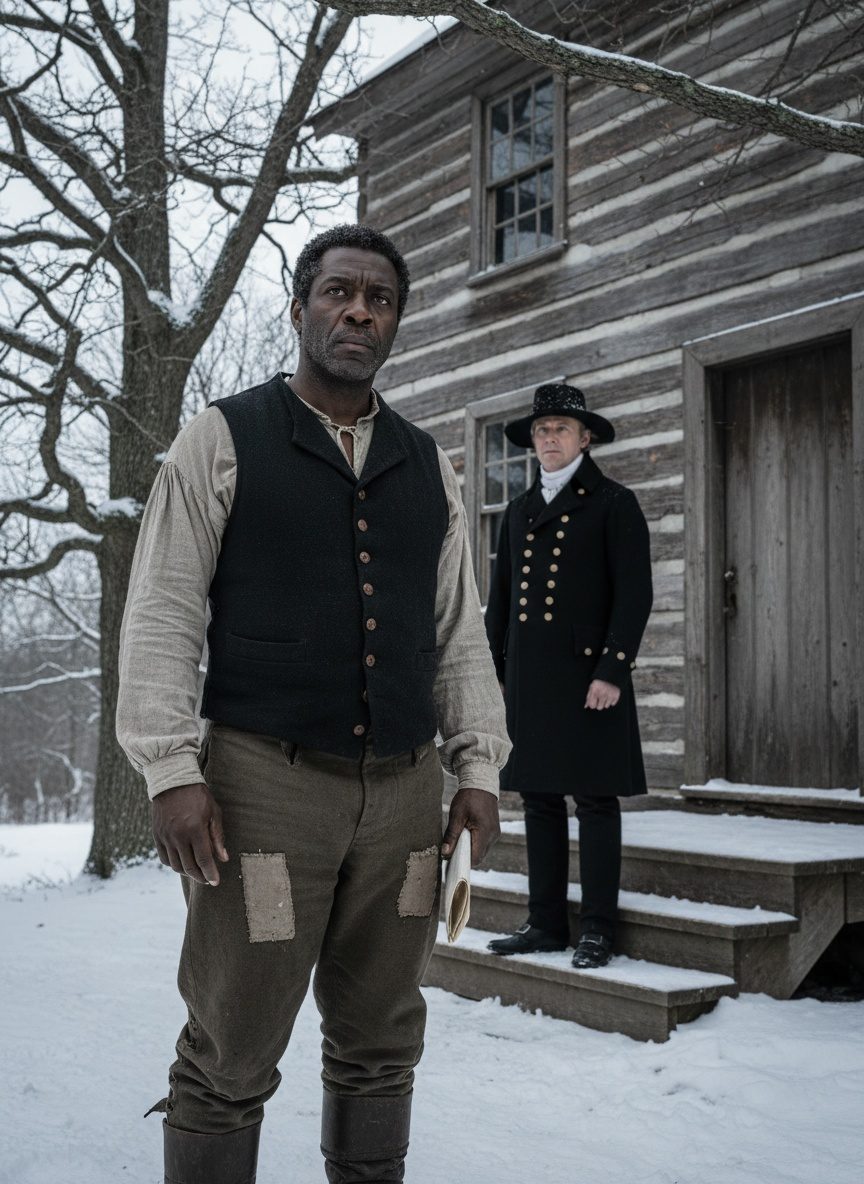
The banks of the Niagara River were cold and unwelcoming in the winter of 1793. Yet it wasn't the chilling winds or the icy waters that compelled Peter Martin to act; it was the desperate cries of Chloe Cooley. Chloe, an enslaved woman, was forcibly bound and torn from her meager life, her body and spirit unwillingly carried across the river into the United States where bondage awaited with no chance of reprieve. Her screams pierced the wintry air, echoing the anguish of countless others bound by the chains of slavery. It was a scene of sheer brutality, a stark reminder of the inhumanity that persisted even in the northern reaches of the British Empire.
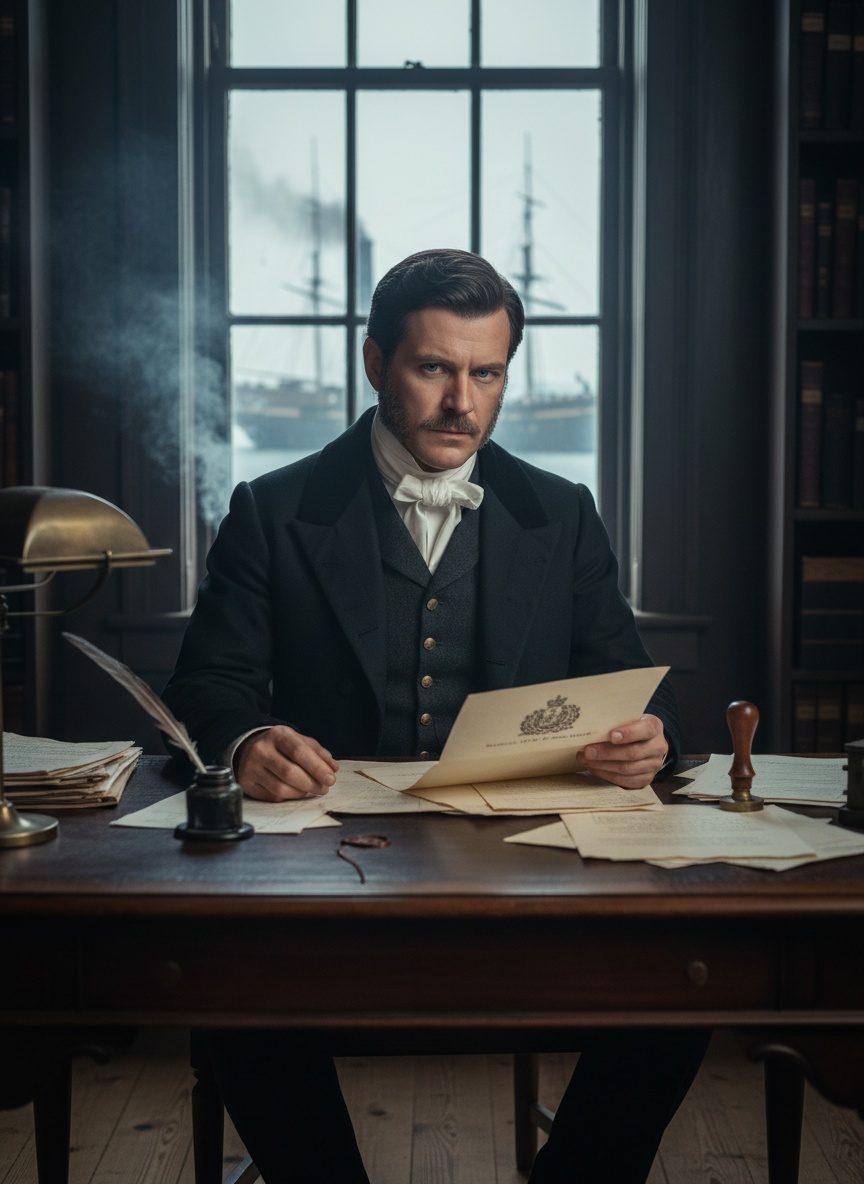
Martin, who would not have been more than a passive observer in another life, found his resolve hardened by Chloe’s plight. As a former member of Butler’s Rangers, a loyalist regiment known for its resilience and discipline during the American Revolutionary War, Martin was no stranger to conflict. However, this battle was different. It was not one of arms but conscience, a fight against an entrenched social atrocity. His presence on that fateful day was more than coincidental; it was providence. Galvanized, he took his testimony to Lieutenant Governor John Graves Simcoe, a man known for his reformist zeal, who would undoubtedly recognize the gravity of the act and the message it needed to send.
Simcoe, whose own convictions aligned with abolitionist thought, had spent his early years advocating for the principles of freedom, inspired by the likes of Granville Sharp and the broader abolitionist movement back in Britain. Nevertheless, it was Martin’s firsthand account that lent an irrefutable urgency to the matter at hand, prompting Simcoe to act decisively.
Legislative Battlefields
The story of slavery’s end in Upper Canada is not merely one of moral victory but of political maneuvering and incremental wins. On March 14, 1793, Simcoe addressed his council in the wooded settlement of Newark, now Niagara-on-the-Lake, laying the foundation for what would become the Act to Limit Slavery in Upper Canada. Yet, even with Martin’s chilling testimony, the path to legislative change was fraught with compromise.
The draft of the Act was radical for its time—ambitious in its aims to curtail the importation of new slaves. But Simcoe and Martin faced fierce opposition from loyalist settlers, many of whom had resettled in the region after the loss of the American colonies and possessed slaves as part of their established way of life. Their vested interests were palpable, and conceding meant upsetting a delicate balance while risking rebellion. The months that followed were tense, marked by political wrangling that saw the initial bold proposals watered down.
Nonetheless, something extraordinary emerged from the legislative chamber by summer’s end. The Act to Limit Slavery authorized freedom for all children born subsequently, legally freeing them at the age of twenty-five. While it did not provide immediate liberation for those already enslaved—Chloe was never compensated for the injustice she had faced—it effectively sowed the seeds that would lead to the eventual eradication of slavery in Canada ahead of the broader British Empire.
The Act was primarily symbolic but was an act of defiance against the institution of slavery itself. It was the first motion taken by a colonial government in the Empire to limit the practice, setting a precedent that would resonate far beyond Upper Canada's borders.
Ripples Across the Empire
This pivoting moment in history signaled a broader ideological shift, not only at the colonial level but across the ocean in the heart of the Empire itself. While famed British abolitionist William Wilberforce waged his prolonged battle against slavery in Westminster, it was here in the rugged wilderness of Upper Canada that the first legislative blows were struck. This North American outpost became a quiet forerunner for change, embodying the early rumblings of a new moral consciousness.
For Simcoe, Martin, and Chloe Cooley—not to mention the small circle of reformers backing them—the Act marked a tangible yet partial victory. While slavery would continue elsewhere within the Empire, its foundations had been irrevocably weakened in Upper Canada. The act of standing against an established norm within a colonial setting was nothing short of audacious, hinting at the role colonies might play in showcasing ethical leadership.
Canada’s eventual full abolition of slavery would arrive decades later, yet the events of 1793 illuminate the power individuals and fledgling communities held in shaping their destinies. Far from the corridors of European power, this small skirmish in a sparsely settled land tells of courage and justice. It reminds us that behind broad strokes of legislative change is the indelible mark of human stories, lived and suffered, that inspire us to continually seek the moral high ground.
The episode of Chloe Cooley underscores an intrinsic truth: that even in a world where oppression seems insurmountable, the voices of those who dare to defy can reverberate throughout history, shaking the very foundations of injustice. This story matters because it challenges us to remember that the battles worth fighting are often those initiated from the margins, led by individuals like Peter Martin, who dared to demand a more just world.