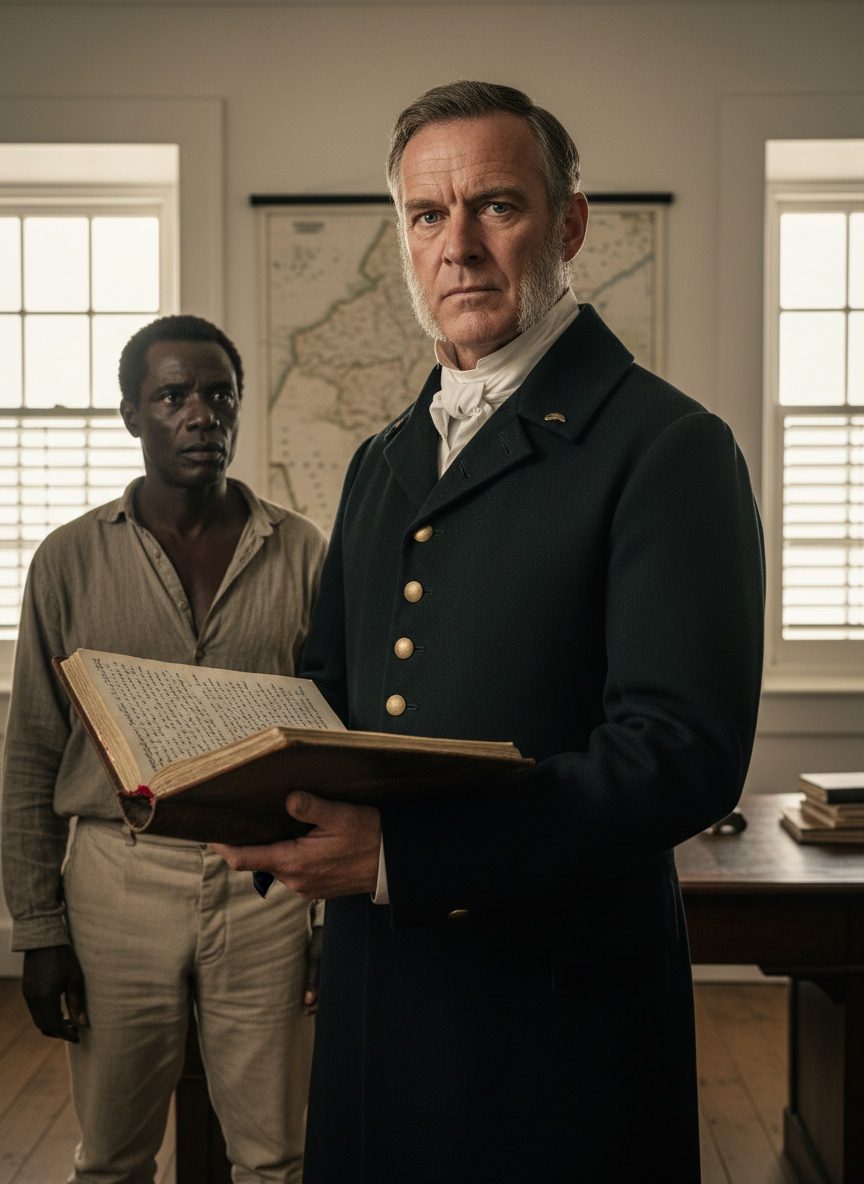
September 22, 1828. The cool breeze carried whispers through the streets of Cape Town.
The Unsung Advocate
In the early 19th century, the Cape Colony was a mosaic of cultures and laws, with the indigenous Khoikhoi people caught in the restrictive grip of the Hottentot Code, a legal framework that systematically oppressed them. Despite the seemingly insurmountable barriers, one man, a Scottish missionary named John Philip, dared to challenge this entrenched system of racial discrimination. With neither rank nor army at his side, Philip embarked on a quest to expose the brutal realities of colonial oppression, armed only with compelling evidence and an unshakeable moral compass.
Philip's arrival in South Africa had been under the auspices of the London Missionary Society, with a mission to spread literacy, Christianity, and humanitarian ideals. Yet, the deeper he delved into the lives of the local Khoikhoi and African communities, the more he was affronted by the injustices and cruelties visited upon them. His passion for justice grew into outright defiance as he confronted the governing bodies that upheld such barbarism as law.
A Gathering Storm
The testimonies Philip collected were harrowing. Reports of beatings, families torn apart by the sale of children, and entire communities shackled by prejudiced laws resonated with him. Much of his evidence came from eyewitness accounts and personal testimonies that painted vivid pictures of suffering and injustice. One had to ask: How could such vile practices be justified under the veneer of civilization?
Philip found himself opposite a powerful and hostile colonial administration, unwelcoming to his inquiries and even less so to his agitational stance. Yet, this mission was intertwined with his spirit. Undeterred, he penned his findings into an eloquent chronicle that stirred minds and rattled consciences far beyond the colony’s borders. Long before the era of rapid communication, his work miraculously reached ears in London, awakening both outrage and a pressing call for reform.
The Clash at Cape Town
Philip’s showdown with colonial officials came to a head in vivid display. The governor of Cape Colony perceived him as a threat, a disruptive force unsettling the status quo. Under the oppressive gaze of the colonial elite, Philip presented his case with unyielding resolve. Each account he narrated was a blow to indifference, each fact another ripple challenging to drown out.
It was in the ecclesiastical halls and social circles of London where Philip’s message found fertile ground, propelling debates in the British Parliament. The colonial administration’s attempts to malign him as a disturber and fanatic fizzled in the face of his unabashed truths. Thus, Philip transformed from a lone missionary into a formidable advocate for reform, aligning himself with burgeoning humanitarian movements back home.
A Victory for Freedom
Finally, after relentless campaigning and the growing moral pressure from Britain, the Hottentot Code was struck down in 1828. The legal chains binding thousands of Khoikhoi were shattered in a remarkable victory. Though symbolically profound, this accomplishment was but a stepping stone toward addressing the deeper wounds of colonial repression.
The repeal of the Hottentot Code demonstrated a shift in colonial policy, signifying a burgeoning awareness and acknowledgment of the rights of indigenous peoples within the vast, often impassive British Empire. Thousands of Khoikhoi gained back their autonomy and personhood, allowed to own property and move freely without carrying passes – a right won through the vigor and determination of one unyielding missionary.
Echoes Across Time
The tale of John Philip’s advocacy reverberates far beyond its historical setting, offering insight into the power one individual can wield through tireless dedication and moral clarity. Philip’s campaign transformed him from a solitary voice into a beacon for those who had long been silenced, altering the course of history not only for the Cape Colony but in the broader narrative of human rights.
His story compels us to reflect on the manner in which justice is often a hard-fought battle, requiring unyielding passion and the courage to act even in the face of formidable opposition. As modern societies still grapple with the shadows of colonial legacies, the narrative of John Philip and the fall of the Hottentot Code underscore the importance of action and advocacy in pursuit of equality and freedom for all.