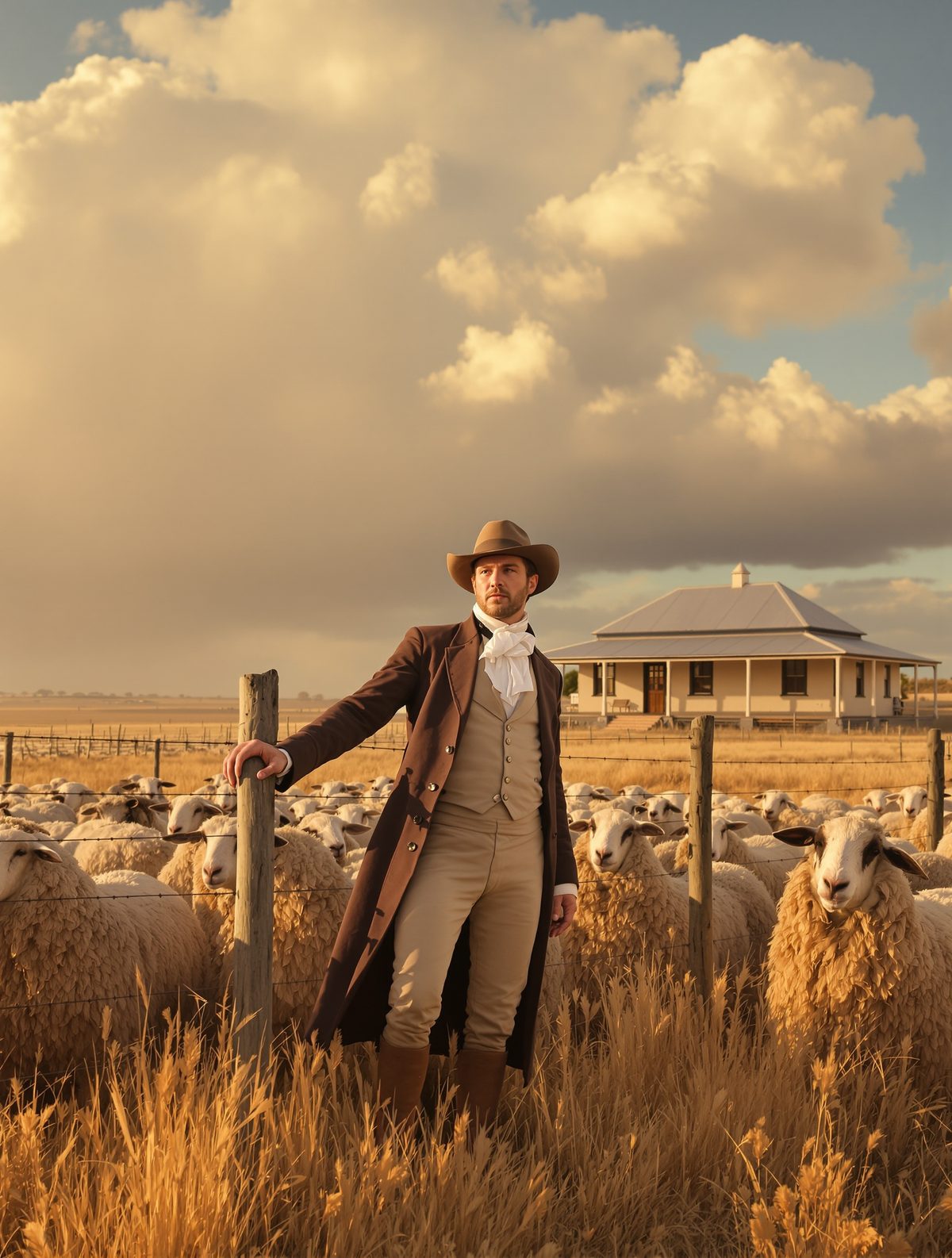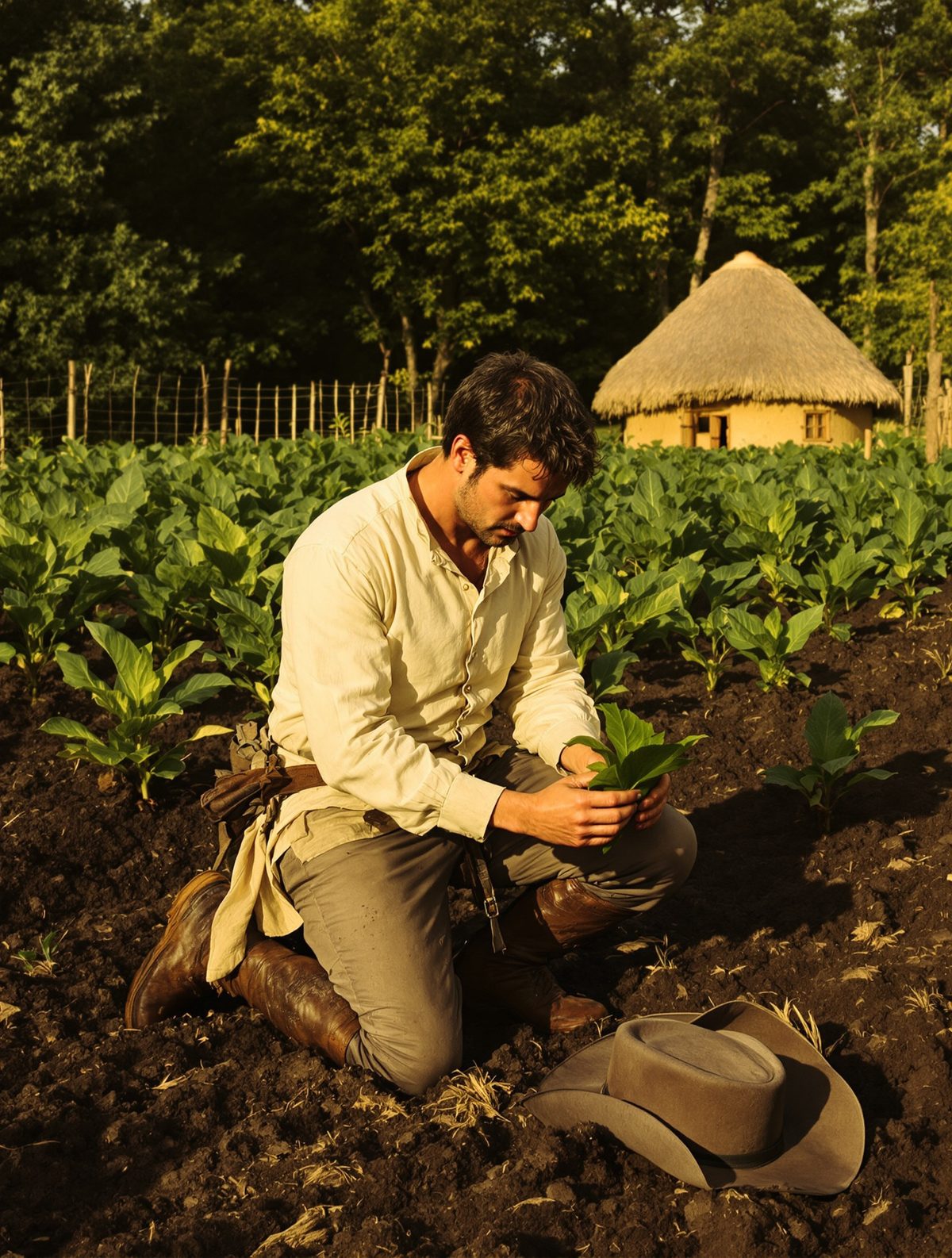
The morning sun cast its feeble light over the ragged remains of Jamestown, where the skeletal frames of half-finished houses creaked in the wind. The year was 1612, and the colony’s future seemed bleaker than ever. Disease, starvation, and power struggles had turned what began as a bold venture into a veritable nightmare. Men were dying faster than they could dig graves, and London investors were on the verge of pulling the plug. But in the midst of this despair, one man quietly planted a seed — a small act of defiance that would grow into a lifeline not just for Jamestown, but for the future of American trade. His name was John Rolfe, and his tobacco leaf was about to save a dying colony.
The Crumbling Walls of Jamestown
Founded in 1607, Jamestown was the first permanent English settlement in North America. Yet by 1612, it was a bastion of misery. Nearly 80% of its settlers had perished, victims of rampant disease and starvation. The colony’s leadership was fractured, morale was non-existent, and some surviving settlers even resorted to cannibalism during the brutal winter known as the "Starving Time". The hope that once burned bright in the Virginia Company's endeavor had all but vanished.
Sir Thomas Dale, the colony’s marshal, enforced martial law in a desperate attempt to maintain order. Meanwhile, back in England, investors grumbled about the ill-fated investment that had become a financial sinkhole. They needed a miracle, a reason not to abandon the colony. In this climate of despair, John Rolfe arrived with a daring vision.
A Seed From Faraway Shores
John Rolfe was not the first Englishman to recognize the potential of tobacco, but he was the first to act decisively in America. Knowing the indigenous tobacco used by the natives was too harsh for European palates, Rolfe set his sights beyond the Atlantic. He acquired seeds of a Spanish strain, *Nicotiana tabacum*, illicitly imported from the Caribbean, where it was thriving in Spanish-controlled territory.
This act was not just innovative but daringly illegal, as Spain jealously guarded its tobacco monopoly. Rolfe was risking not only his investment but also the wrath of a powerful empire. Yet he persisted, quietly planting the seeds in the fertile Virginian soil. Little did he know, these unassuming leaves would reveal themselves as green gold.
The Scent of Success
By 1614, Rolfe's tobacco was ready for harvest. The product was markedly smoother and more aromatic than the native strains, a key feature that appealed to European tastes. Rolfe sent his first shipment to England, and it was a sensation. The demand for this "Orinoco" strain was almost instantaneous and insatiable. The very investors who were on the verge of abandoning Jamestown were suddenly knocking on its doors with renewed zeal.
Jamestown, branded a failure in the past, transformed into a burgeoning hub of tobacco trading. By 1620, over 50,000 pounds of tobacco were being exported annually, reviving the colony's economy and ensuring its survival. Tobacco fever swept through the colony like wildfire, shaping every aspect of life in Jamestown, from land disputes to labor practices.
The Emergence of Plantation Society
As Rolfe’s tobacco thrived, the social fabric of Jamestown shifted. The colony required vast swathes of land to meet the growing demand, leading settlers to expand aggressively into indigenous territories. This resulted in heightened tensions with Native American tribes, leading to periodic conflicts as settlers encroached further onto Powhatan lands.
The labor-intensive nature of tobacco cultivation also paved the way for slavery in North America. Initial labor shortages were filled by indentured servants, but by the end of the 17th century, enslaved Africans became the primary workforce. Thus, Rolfe’s seed did not simply save Jamestown — it set the stage for the plantation economy that would dominate the South for centuries.
Legacy and Reflection
John Rolfe’s gamble with his foreign tobacco seed not only breathed life into a failing colony but also laid the foundation for economic paradigms that would influence the future United States. The ensuing economic boom from tobacco secured England's foothold in the New World, setting a precedent for commercial agriculture and permanently altering the colonial landscape.
Today, as we reflect on Rolfe’s transformative impact, we are reminded that innovation can be a powerful catalyst for change, even in the bleakest scenarios. However, his story also serves as a cautionary tale. The same seed that saved Jamestown spotlighted the settlers' disregard for indigenous rights and ignited a dark chapter in American history — the proliferation of slavery.
As we uncover the legends left out of the textbooks, John Rolfe’s narrative invites us to contemplate the complexities of progress, the unintended consequences of human endeavor, and the power of individuals to alter the course of history through seeds of change — both literally and figuratively.