Imagine a time when the very edge of the world was shrouded in mystery and danger, yet driven men were willing to journey into the teeth of death to uncover its secrets. In the turbulent year of 1576, in the age of Elizabethan explorers, fortune’s favor beckoned from the icy vastness of the Arctic. Martin Frobisher, a resolute Yorkshire mariner, was just the man to take up the stern call of adventure. What he brought back, however, would turn out to be something more elusive than gold and more ironically Shakespearean in its outcome than anyone could have foreseen.
Desperate Ventures in Icy Waters
It all began with a dream shared by many in the 16th century: the elusive Northwest Passage to Cathay, the land we now know as China. This dreamed-of sea route promised riches hitherto unimagined, trading routes flushed with silk and spices. Frobisher embarked on this dangerous expedition on June 7, 1576. Guiding three ships—one of them aptly named the Gabriel—Frobisher's company braved the tempestuous seas searching for the door to the East.
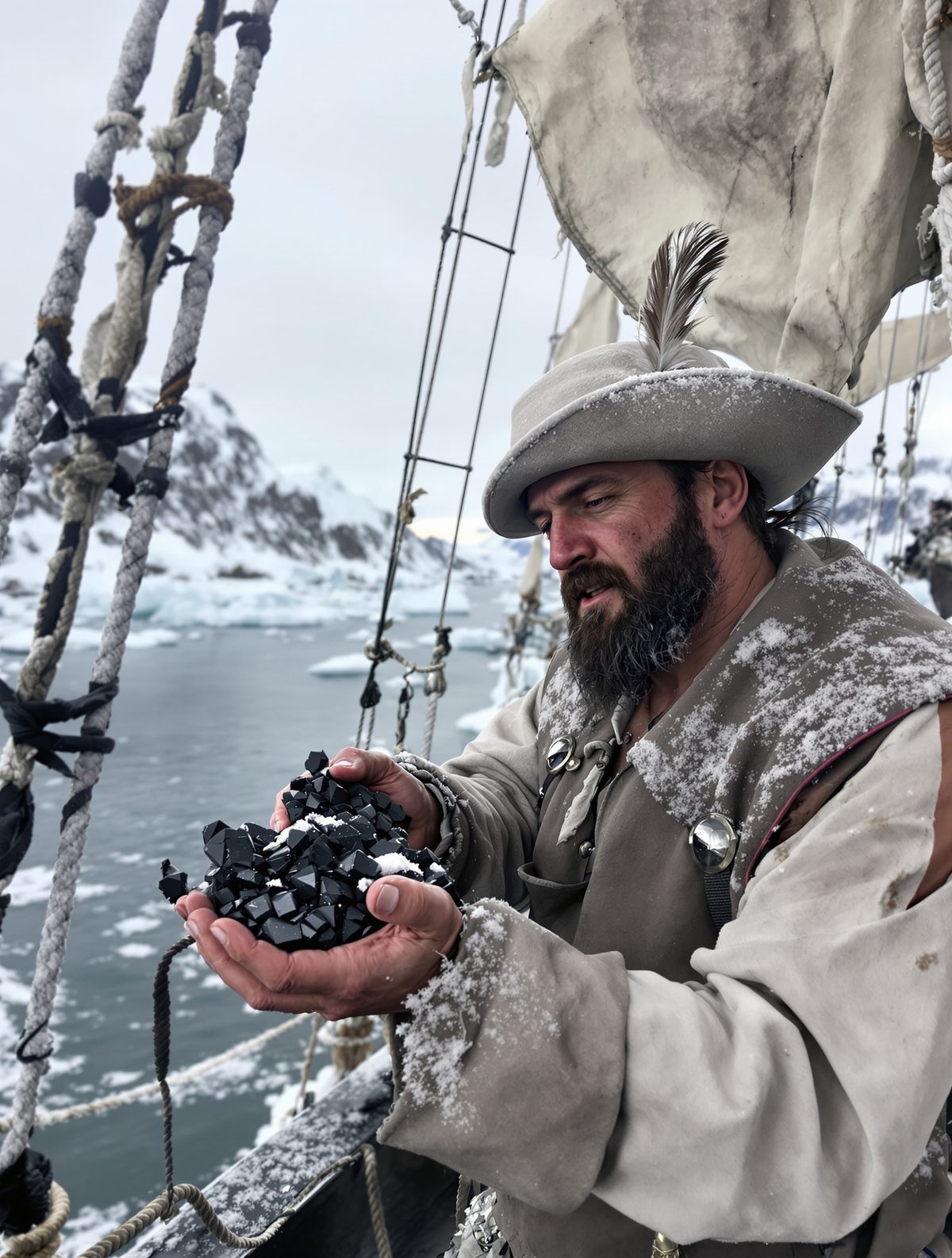
But set against the mighty forces of nature, the mission quickly turned from planned exploration to bare survival. The harsh Arctic froze one of Frobisher’s ships, swallowing it whole with all the men aboard. Yet if there was gold to be found, the determined Frobisher was not to be thwarted. Just as the cold and the unknown threatened their resolve, something curious captured their eye: a lump of black rock glistening against the white backdrop.
The Alchemical Illusion: The Black Stone
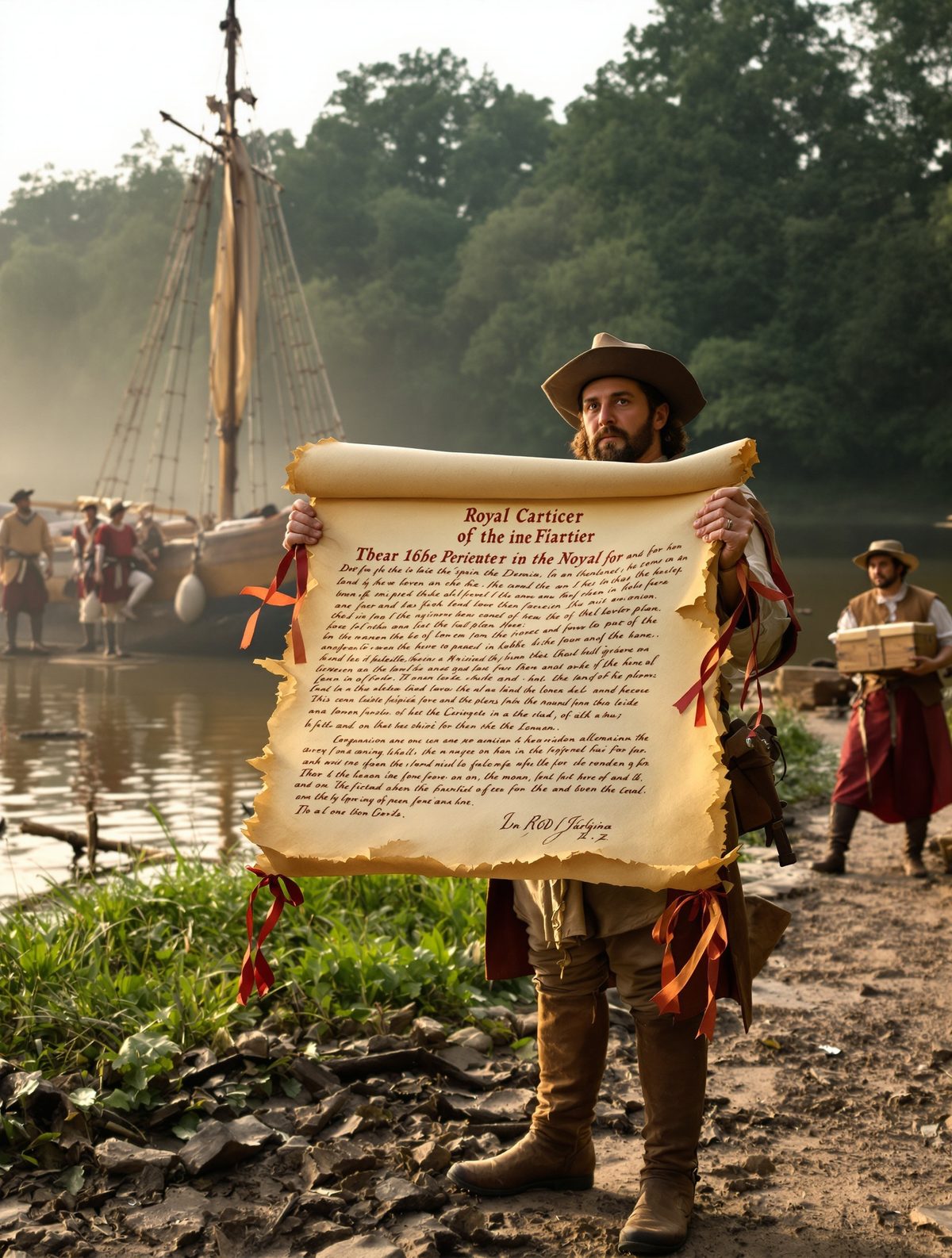
With the prized rock in his grasp, Frobisher set course back for England. Upon arrival, he presented this treasure to the royal assayers—a gleaming token of his sacrifices and triumphs in the Arctic freeze. However, their verdict landed like freezing rain: the rock was deemed worthless. But enter, Michael Lok, an investor and staunch believer in the potential of Frobisher’s adventures. He insisted that the rock contained gold, triggering a wildfire of excitement.
In the glowing heart of Elizabethan England, dreams of vast wealth spread like unrepentant contagion. Lok's determination soon turned dissenters into believers. And what was dismissed as mere stone now held the promise of gleaming fortunes. In 1577, the fervor reached such heights that Queen Elizabeth herself, ever the visionary, spurred on the endeavor with her own regal hand.
The Grand Debacle: 15 Ships to Nowhere
By 1578, England had warmed to the fever of anticipated wealth. Thus, the Crown prepared an immense follow-up voyage. Fifteen ships, each heavy-laden with fuel and supplies, embarked on an audacious expedition to Frobisher Bay—or what they hoped was the doorstep to untold treasures. What they dredged from the frozen earth amounted to over a thousand tons of the infamous black rock, jubilantly transported back home.
Yet on their return, stark reality waited in ambush. Even the top experts in metallurgy could no longer deny the truth: the black stones glittered with promise but delivered nothing but gleaming fool's gold. It was iron pyrite, a simple rock masquerading as wealth. England, driven by sheer speculation and unbridled hope, was left bereft of riches and burdened with debt.
Lessons from Pyrite Shores
This magnificent misfire did not topple Frobisher into obscurity nor did it stymie England’s imperial ventures. It did, however, offer a sobering reminder of the capriciousness inherent in exploration. These events underscore the perilous dance between ambition and avarice—an Elizabethan reflection still applicable in today’s speculative endeavors, whether they be in distant lands or in markets worldwide.
Beyond the dreams dashed and monies lost, England gleaned valuable insights into perseverance amidst adversity and the importance of caution in speculative undertakings. Frobisher’s frozen odyssey became a tale cautioning against the abuse of hope-drenched assumptions.
Echoes of Empire: What It Means Today
In the echo of Frobisher’s misadventure, we find a wider narrative shared by mercenaries, dreamers, and empires: the insatiable thirst for the known, the allure of the unmapped, and the old-worldly promise of gold in every horizon. This legend is more than an anecdote of greed or folly; it’s a testament to human curiosity and ambition, two forces that continuously propel civilizations into futures unknown.
Today, from the exploration of cosmic frontiers to the intricate dance of global economics, we do well to heed the lessons Frobisher did leave behind, though not in his intended bounty. The balance of courage and tempered expectation remains an eternal compass as we navigate our own labyrinthine quests for prosperity and prestige.