Generals often get to write the peace terms. Not when the terms are fought over as much as the war itself.
The Scene at Middelburg
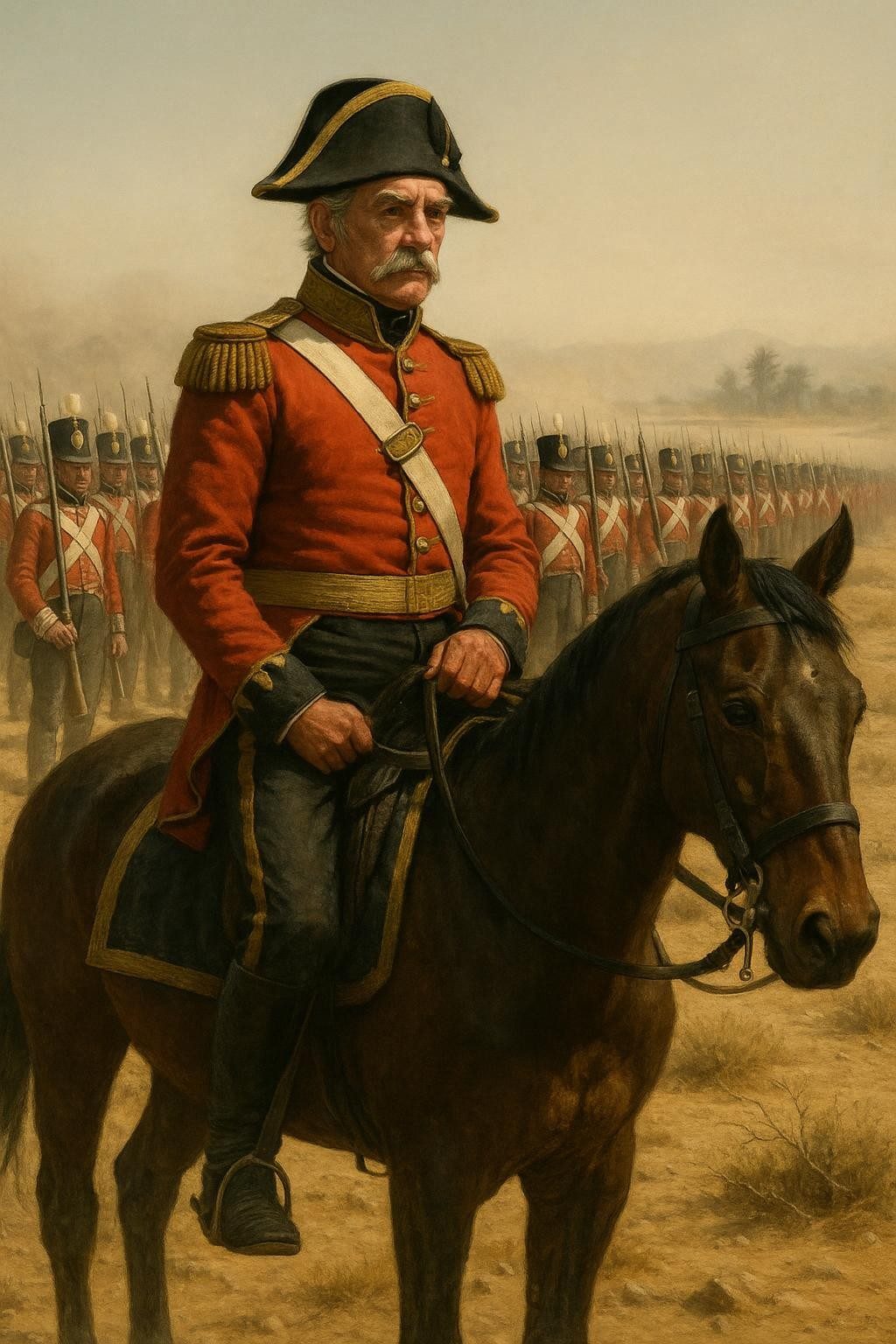
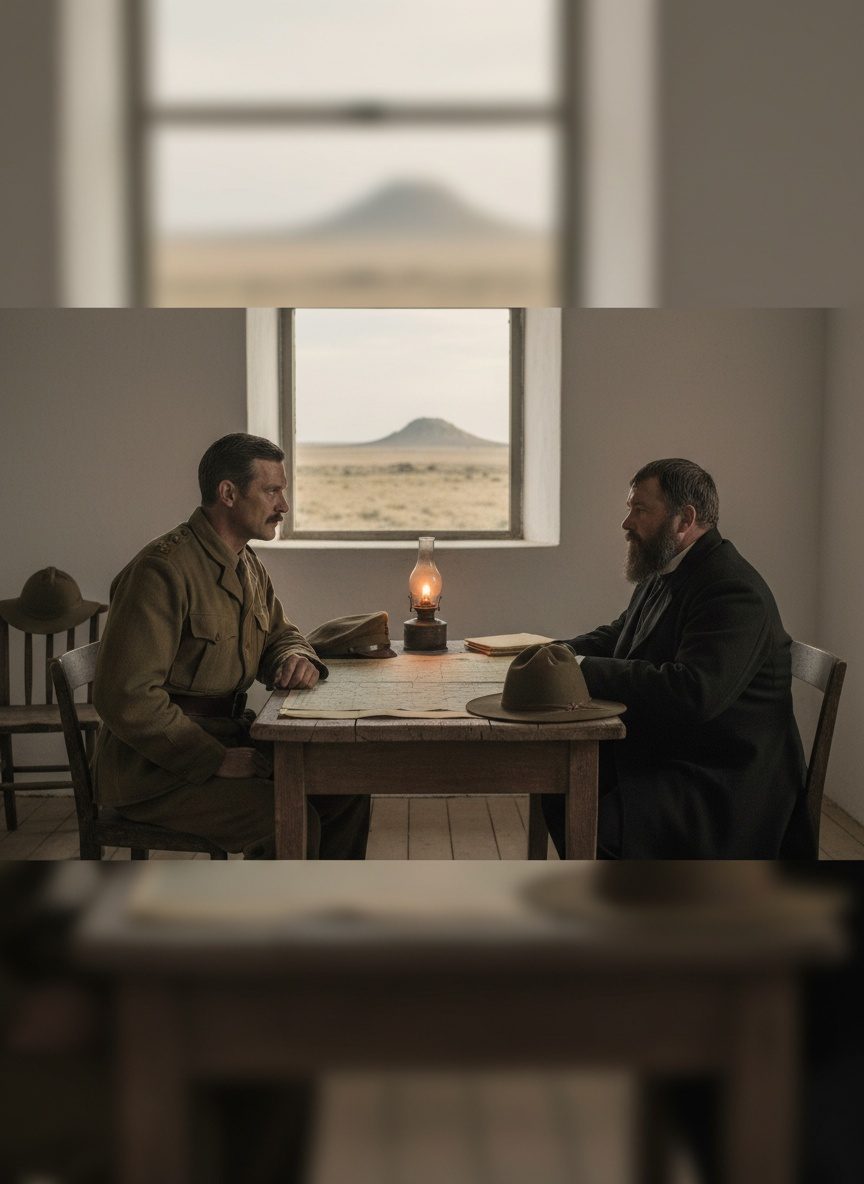
It was February 1901, and across the stark veldt of South Africa, two men sat at a negotiating table that teetered on the brink of history. Lord Kitchener, the stern British commander known for his steely gaze and military genius, offered a chance for peace to General Louis Botha, a man whose rugged determination had become legendary among the Boer ranks. The setting was Middelburg, a small but significant dot on a map that had turned from serene to strategic over the course of the Boer War.
Before Kitchener lay a proposal that took everyone by surprise. It was generous, promising reconstruction, respect for the Boer language, and even a pathway toward self-governance. Botha, weary from the relentless tide of warfare, might have seen it as an olive branch. Surely, even a determined foe could see the long-term benefit of such an offer. But Middelburg, with all its potential, would not be the place where peace was forged. The backstage shadow puppets of hardliners continued to battle, dragging the conflict unwelcome into its sixth year.
The Hardliners’ Stand
Despite the generous terms, Botha found himself tangled in a web that stretched beyond the battlefield. The Boer War had become more than a fight for land; it was a struggle for survival, autonomy, and identity. The leaders behind Botha—men deeply entrenched in the principles for which they had long fought—viewed Kitchener’s terms with suspicion. Was it possible, they pondered, that acceptance meant submission? Could these promises be nothing more than carefully wrapped chains?
It was a question with no easy answers. South Africa was a place carved by cultural divides and scarred by battles both ancient and new. Hardliners saw in Kitchener not a peace-bringer but a clever imperialist. For them, the land and its people were steeped in vows too sacred to surrender. And so, Botha, once a general now turned diplomat, returned to his commanders empty-handed, the offer brushed aside like dust from a traveler’s coat, and the fires of battle continued to crackle across the South African plains.
A Conflict of Strategies
In hindsight, what fascinates is not so much the reversal, but the depth of belief that fueled this lengthy struggle. Lord Kitchener, at the peak of his military career, had deployed strategies that were both ruthless and revolutionary. He initiated a scorched-earth policy and established concentration camps, aiming to cut Boer lines of support and break their spirit. This brutal approach earned him a reputation feared and reviled in equal measures.
Yet, on the other side of the conflict, Botha and his compatriots were the spear tip of guerrilla warfare innovation. Moving swiftly, their commandos deployed hit-and-run tactics, leaving British troops puzzled at every turn. The stakes then were not just territorial but existential—a curious dance between a powerful imperial force and a determined native resilience, both wielding tactics less orthodox than devastatingly effective.
The Human Element
Beyond the machinations of war and peace, it is vital to consider the human story. The Boer War was not just a clash of military might; it was an intersection of cultures, ideologies, and survival instincts. The conflict laid bare the lives of everyday people, caught in crossfire beyond their control. Civilians saw their homes scorched and families displaced, echoing a lament as old as war itself.
The British concentration camps, intended to stifle the Boers into submission by severing their roots, became symbols of suffering. Disease and deprivation ran rampant, etching pain into the memory of a colony grappling with its own fate. These camps inadvertently drew global ire, humanizing an otherwise strategic military decision. Every tale of suffering added weight to the growing call for closure, for an end that seemed constantly deferred.
The Aftermath of Refused Peace
With the rejection at Middelburg, both sides committed to ringing out the struggle to its final, taut notes. The fifteen months following the failed peace talks were but a lengthened shadow over South Africa—a time filled with useless bloodshed and potent losses.
In this broader tapestry of history, the Boer War remains a turning point. It was a crucible of change and resistance. When peace finally came with the Treaty of Vereeniging in May 1902, the landscape of British colonial strategy had irrevocably altered, impacting the colonies and the whole twittering empire. What occurred in those fields and temporary halls of negotiation echoed into the strategies of future conflicts, teaching the world lessons derived from hard fighters on both sides.
The failed peace at Middelburg reminds us why history must never be viewed as a forgone conclusion. Behind every act of warfare and negotiation lie countless threads capable of creating whole new worlds. Kitchener's sincere overture, met with resolute refusal, holds up a lens to the complexities of conquest, identity, and the indomitable human spirit. It is a careful study in the cost of principle and the heavy weight of conviction strong enough to weather the storm for a dream yet unfulfilled.