May 8, 1945. The streets of London throbbed with energy unlike ever before.
The Night London Came Alive
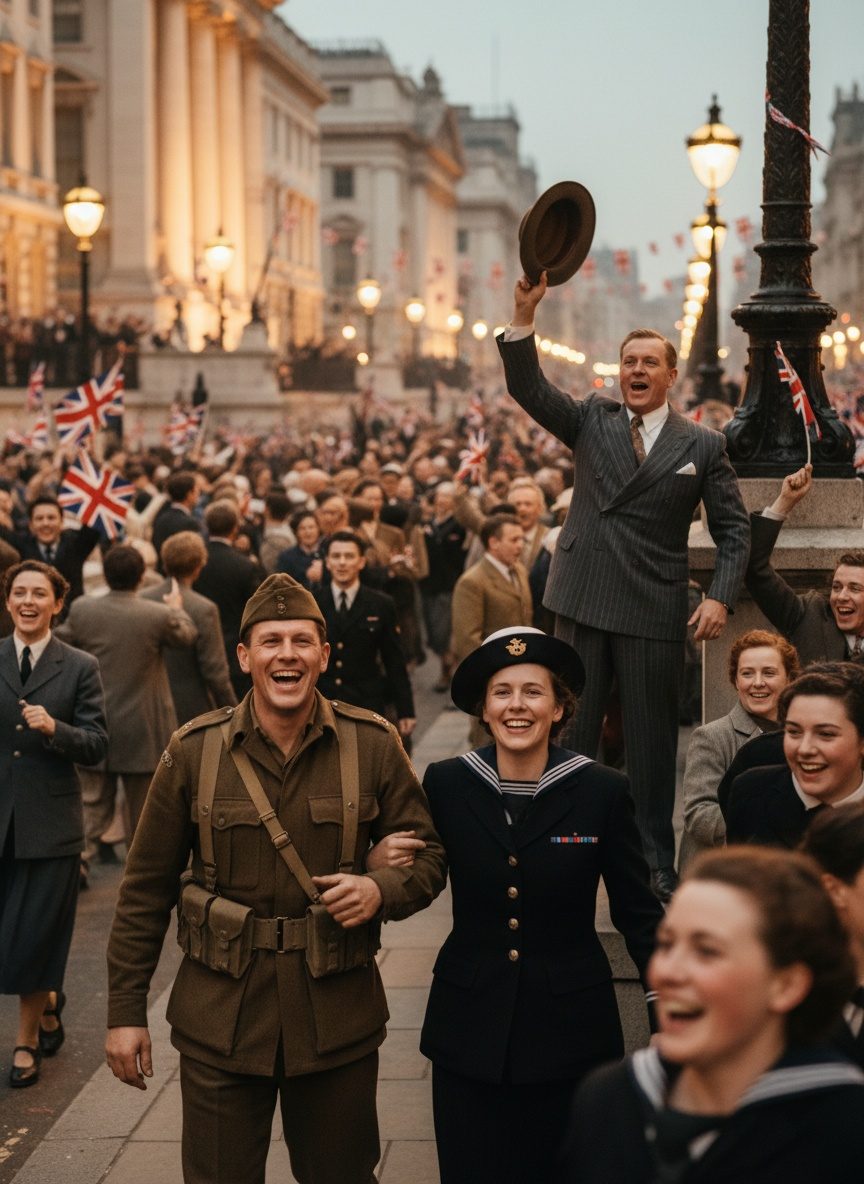
The sound of jubilation echoed through the streets as the clock struck midnight. London, a city that had withstood the onslaught of the Blitz, now exploded in a cacophony of joy. Across Trafalgar Square and along The Mall, people danced, sang, and wept tears of relief as word spread far and wide: Victory in Europe was declared, signalling an end to six grueling years of war. Strangers became friends as they embraced in the dim glow of streetlamps. Bonfires sparked on street corners, casting flickering shadows against buildings still scarred from bomb raids.
Prime Minister Winston Churchill stood at Whitehall, exuding his signature defiant optimism. His voice, crackling through wireless radios, was a beacon that reached every corner of the British Isles, assuring a war-weary nation that their sacrifices had not been in vain. Despite the hardships faced, Londoners had retained a stoic resilience that shone brightly on this night. As fireworks burst above the city, it was not just the end of war that was celebrated, but the triumph of the human spirit.
The plazas and pubs swelled with people, a mingling of accents and stories that painted a vivid tableau of the moment. In Piccadilly Circus, servicemen and civilians came together in joyous revelry — proof of unity in diversity. For many young Londoners who had come of age in the shadows of conflict, it was their first taste of true freedom, a chance to imagine a future unshackled from fear and rationing.
Yet amid the euphoria, a sense of uncertainty lingered. As Britain's citizens basked in fleeting moments of unity, questions about the future loomed large. The world stood poised on the brink of transformation, and for the sprawling British Empire, the dawn of peace also hinted at the sunset of imperial dominance. What would peace bring to a nation whose identity was so intricately linked to its global reach?
An Empire in Celebration—and at a Crossroads
The resonating announcement of VE Day was not confined to London. Across the globe, from the humid streets of Rangoon to the bustling corridors of New Delhi, similar scenes unfolded as crackling radios delivered the momentous news. The British Empire, stretching from the Australian Outback to the villages of Africa, participated in this historic celebration. For many, the end of the war heralded the promise of a better world, even as it sparked tremors of change.
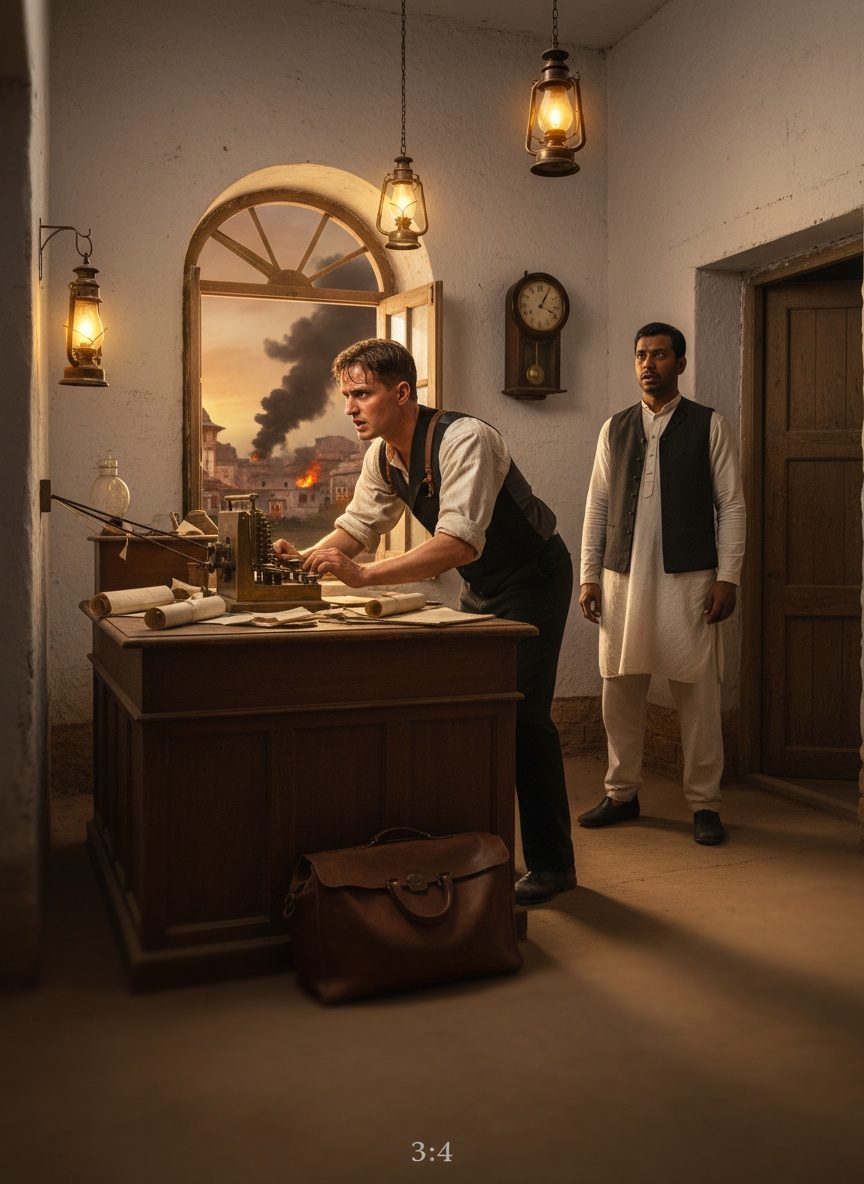
In colonial metropolises, citizens listened, their reactions varying widely. In Delhi, the heart of British India, the imperial architecture bore witness to throngs cheering under a starlit sky. As India contributed significantly to the war effort, sending millions of troops and resources, the victory was theirs to share. Nonetheless, the victory celebrations took on a dual tone, a jubilant front interwoven with the unwavering push for independence. The palpable desire for self-rule had been amplified by the sacrifices made and compounded by a growing discontent toward colonial governance.
In Africa, where cities like Johannesburg had prepared for extravagant parades and festivities, a parallel narrative played out. The backdrop of wartime service had bolstered the resolve and political consciousness of colonial subjects. The transient veil of shared victory masked deeper seated calls for autonomy and self-determination. For many colonies, the question was no longer about if independence would come, but when and how.
The tapestry of the British Empire was sewn with myriad and complex threads, each colony with its own distinct cultural fabric. Yet the universal celebrations revealed a shared human spirit yearning for peace and prosperity. As victory parades were staged and Union Jacks hoisted, the empire's subjects began to sense the shifting tides of history. Though united in festivity, many nurtured aspirations of a future unfettered by foreign rule, a testament to the indomitable drive for self-expression.
Beyond the Victory: A New World Awaits
The echoes of VE Day rang long after the last firework had fizzled out. As dawn broke over a battered, yet unyielding world, deliberations of a new era took center stage. In London, discussions of rebuilding focused on domestic revival, tempered by the harsh realization of economic depletion. Rationing and reconstruction were at the fore of policy, setting the stage for a nation seeking modernity in newfound peace.
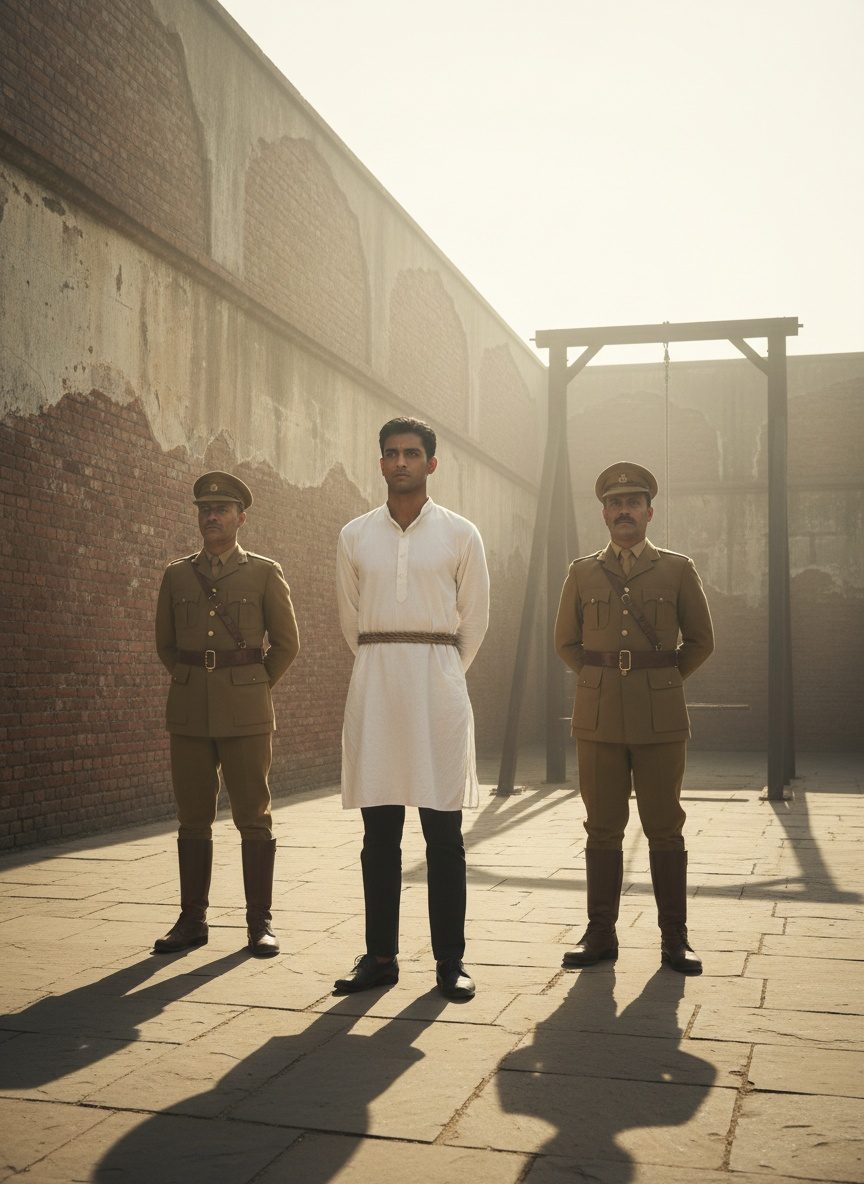
For the colonies, however, the VE Day celebrations served as a catalyst for more profound introspection. India emerged as a hotbed of nationalist fervor, its leaders making clear demands for independence as cracks in imperial control widened. With hopes buoyed by the principles of self-determination highlighted during the war, the subcontinent stood on the precipice of a tumultuous yet hopeful transformation.
Across Africa and the Caribbean, a similar tide of political awakening swept through. Activists and communities, fueled by both wartime experience and subsequent celebrations, accelerated movements toward self-rule, civil rights, and dignified recognition on the global stage. The days of empire, it seemed, were numbered—not in shadowy demise but resolute reformation.
The story of VE Day is thus not merely about the end of a global conflict but a pivotal juncture in history where liberation from wartime horrors entwined with liberation from colonial constraints. As the Empire basked momentarily in its acclaimed victory, the assurances of the night raised deeper questions of sovereignty, identity, and ultimately, humanity.
Yet, in recounting the events of May 8, 1945, we are reminded that the spirit of unity and shared joy offers more than historical interest. It stirs an enduring narrative of transformation and resilience. Much like those who danced through the rubble of wartime Britain, we find that the light of victory marks not just an end, but illuminates the path toward a new beginning.