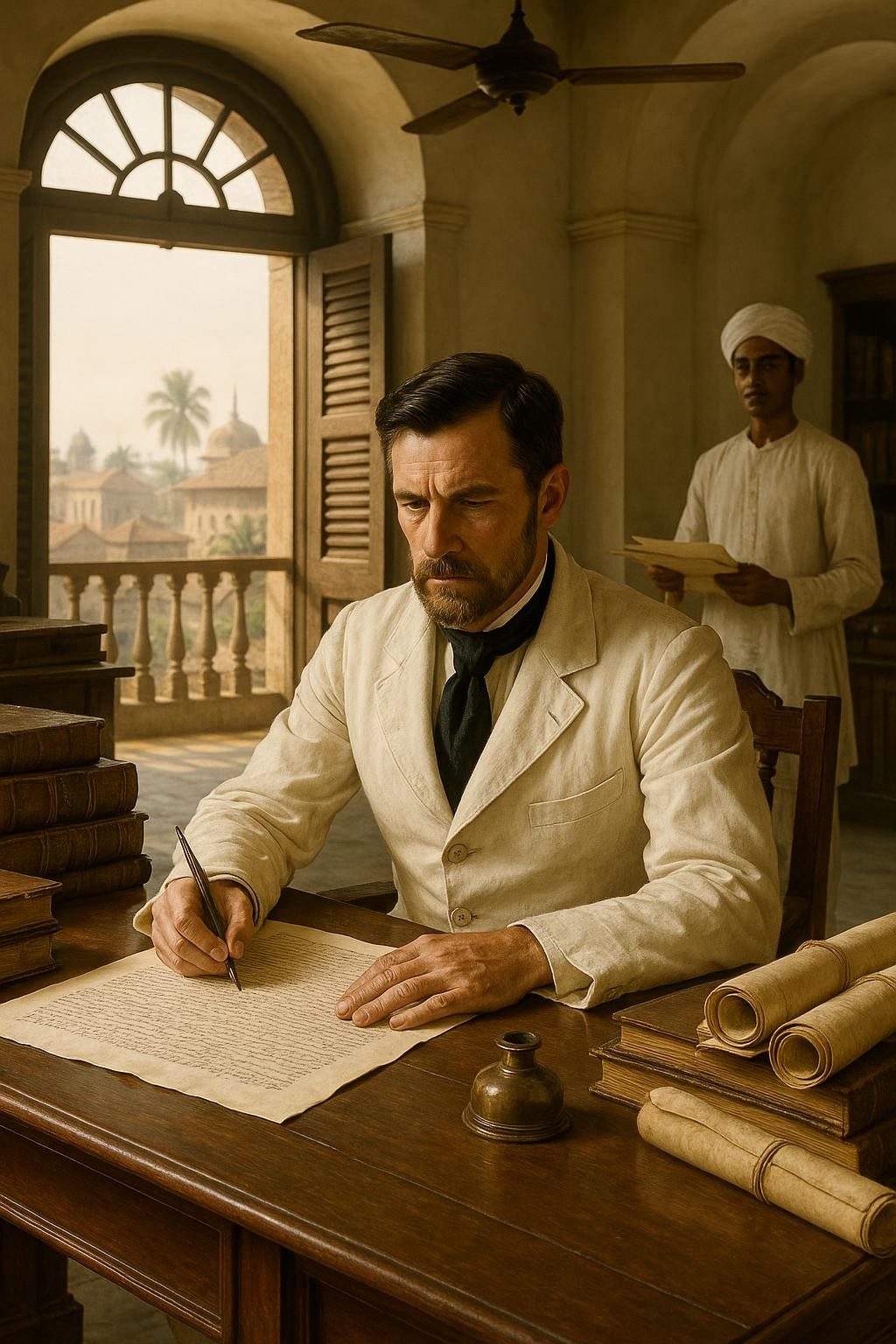
A flash of sunlight off a freshly polished bayonet pierced the morning mist, as the rumble of military boots echoed through the valleys of Simla. On that crisp summer morning in 1888, Lord Dufferin strode across the parade ground, the air taut with the anticipation of the annual garrison inspection. Nestled high in the Himalayan foothills, Simla, the summer capital of British India, transformed into a bastion of colonial authority each year, its cooler climate offering respite from Calcutta's oppressive heat.
The Pageantry of Power
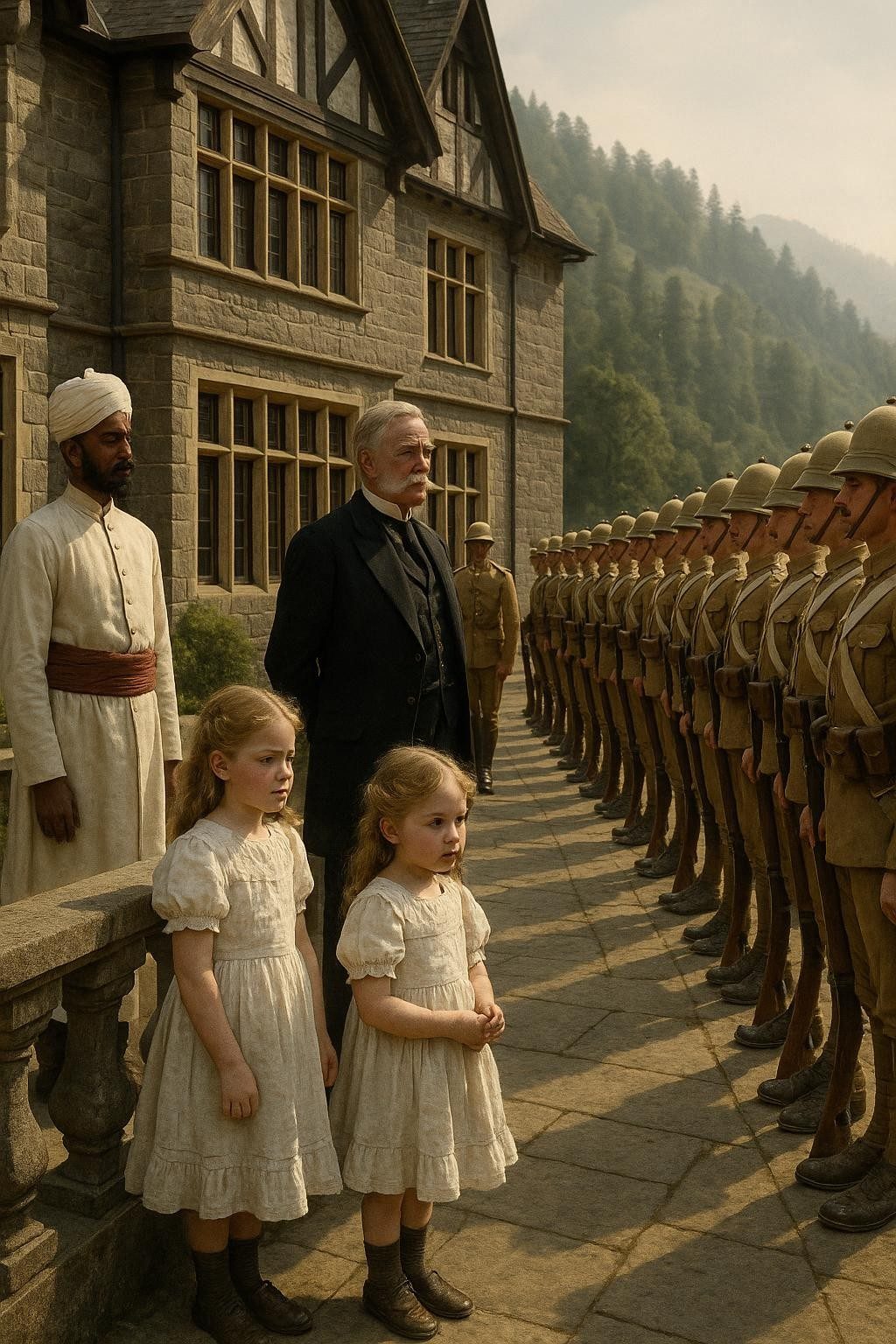
The scene was one of orchestrated grandeur. Rows of soldiers stood at attention in immaculate khaki uniforms, a stark contrast to the traditional red coats relegated by the evolution of military sensibilities. Khaki, more than just a fabric, was a symbol of adaptation and modern warfare, meant to blend and protect. Lord Dufferin, the Viceroy, moved with a dignified grace, his presence commanding both respect and anxiety; eyes darted to follow his every motion as he critically assessed the assembled ranks. The parade ground, buzzing with the rhythmic commands of drill sergeants, was a stage where martial prowess and imperial prowess converged.
Each soldier's stance was a testament to the disciplined might of the British Empire. Despite the isolation of Simla — connected to the heart of the empire only by a tenuous thread of rail and road — the ceremony was a powerful reminder of Britain's reach. In that moment, under the bright Himalayan sun, Lord Dufferin's inspection was not just of men in arms, but of the principles held aloft by the colonial bureaucracy: order, duty, and control.
The Solitude and Society of Simla
Beyond the gallantry of the garrison, Simla was a curious microcosm of colonial life. The town, situated some 7,000 feet above sea level, became a retreat for the British elite during the summer months. The balmy hillside air was invigorating, playing host to a vaunted societal dance of power, punctuated by formal dinners and leisurely promenades along the wooded trails.
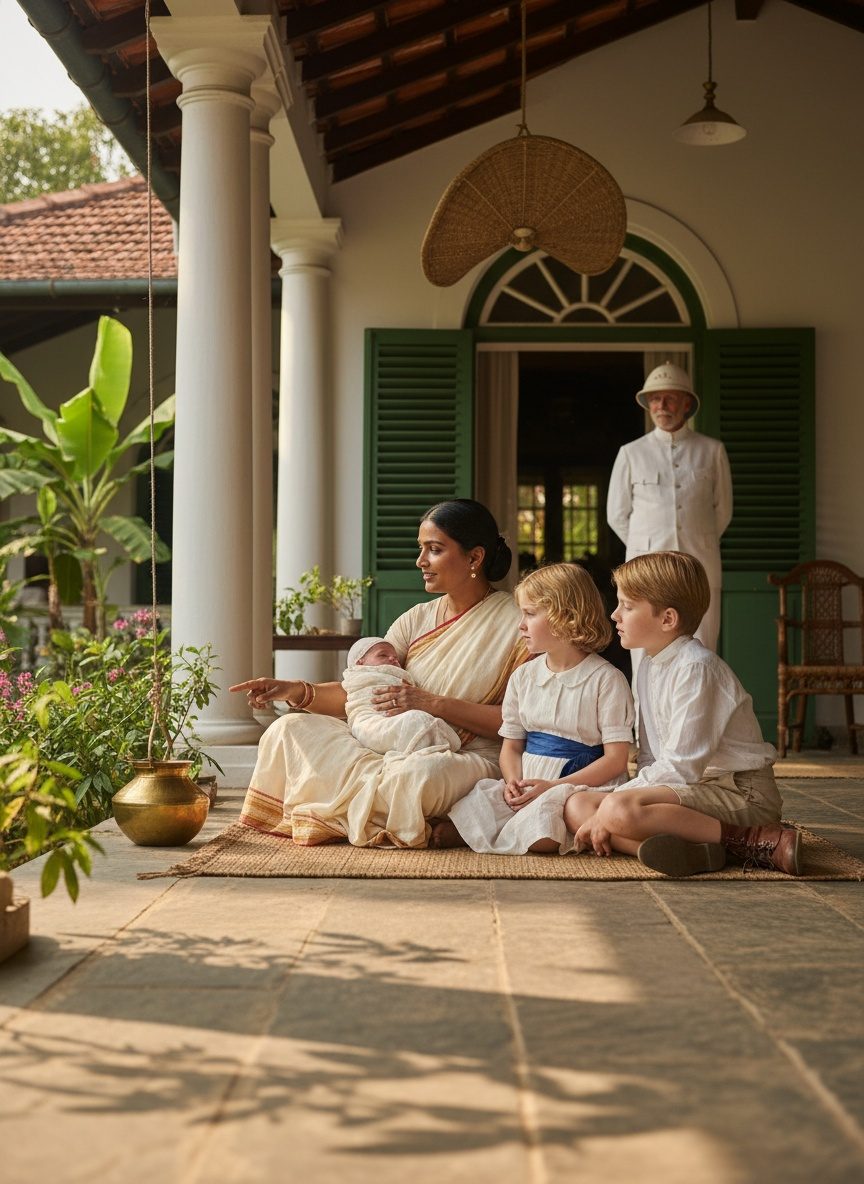
Yet within this exclusive enclave, life was not all regimental parades and administrative conferences. Simla held surprises amidst its social hierarchy. Local bazaars buzzed with the mingling of diverse cultures, British and Indian alike exchanging goods and stories. Meanwhile, beyond the veneer of extravagance glittered little-seen realities; the daily lives of Indian laborers who sustained the opulence rarely intruded upon the consciousness of the Empire’s representatives.
A Curious Transformation
But perhaps the most charming and understated ritual of the season was the children's levee at the Viceregal Lodge. Lord Dufferin, having shed his ceremonial rigor after inspecting the garrison, took on an unexpected role. The stone walls of the Lodge, usually echoing with the solemnity of empire, now filled with the laughter and chatter of children, the offspring of British civil servants stationed in India.
There was something inherently disarming in the sight of the Viceroy, the same figure of imperial authority, kneeling to pour lemonade for a group of schoolmasters' daughters. The contrasting tableau — a man who held the lives of millions in his hands, now gently guiding a youngster in a game of croquet on the lawns — was a rare glimpse into the softer side of colonial administration.
This gathering was a subtle acknowledgment of the unique tapestry of lives shaped by the Empire's reach. Families far from home found a temporary sense of belonging within the rituals of Simla's community. Even so, the levee — a seemingly trivial event — underscored a profound truth about humanity that transcended the rigid boundaries of imperial doctrine: the simple power of connection.
An Unwritten Legacy
In the ebb and flow of colonial history, the events at Simla in 1888 are easily lost amid grander narratives of conquest and governance. Yet, they offer a critical lens through which to view the intricate dynamics of the British Empire's human dimension. The inspection of the garrison was more than a military exercise; it was a statement of order in an ever-evolving world.
Equally, the children's levee was not merely a social curiosity but a glimpse into the personal sacrifices and small joys that marked colonial life. It served as a poignant reminder that amidst the machinery of empire, there were bonds and moments of tenderness often omitted from grand historical tapestries. The actions and interactions of that day, where spectacle and subtlety coexisted, remind us that history is at its most compelling not in the grandiose, but in the personal and the unseen.
Lord Dufferin's journey through the ceremony and whimsy of Simla's summer captures an era when power wore many hats — some stern and commanding, others gentle and paternal. In remembering Simla in 1888, we acknowledge not just the Empire's domineering shadow, but also the delicate interplay of human stories it encompassed, whispering through the pages of history that what makes an empire memorable are its people.