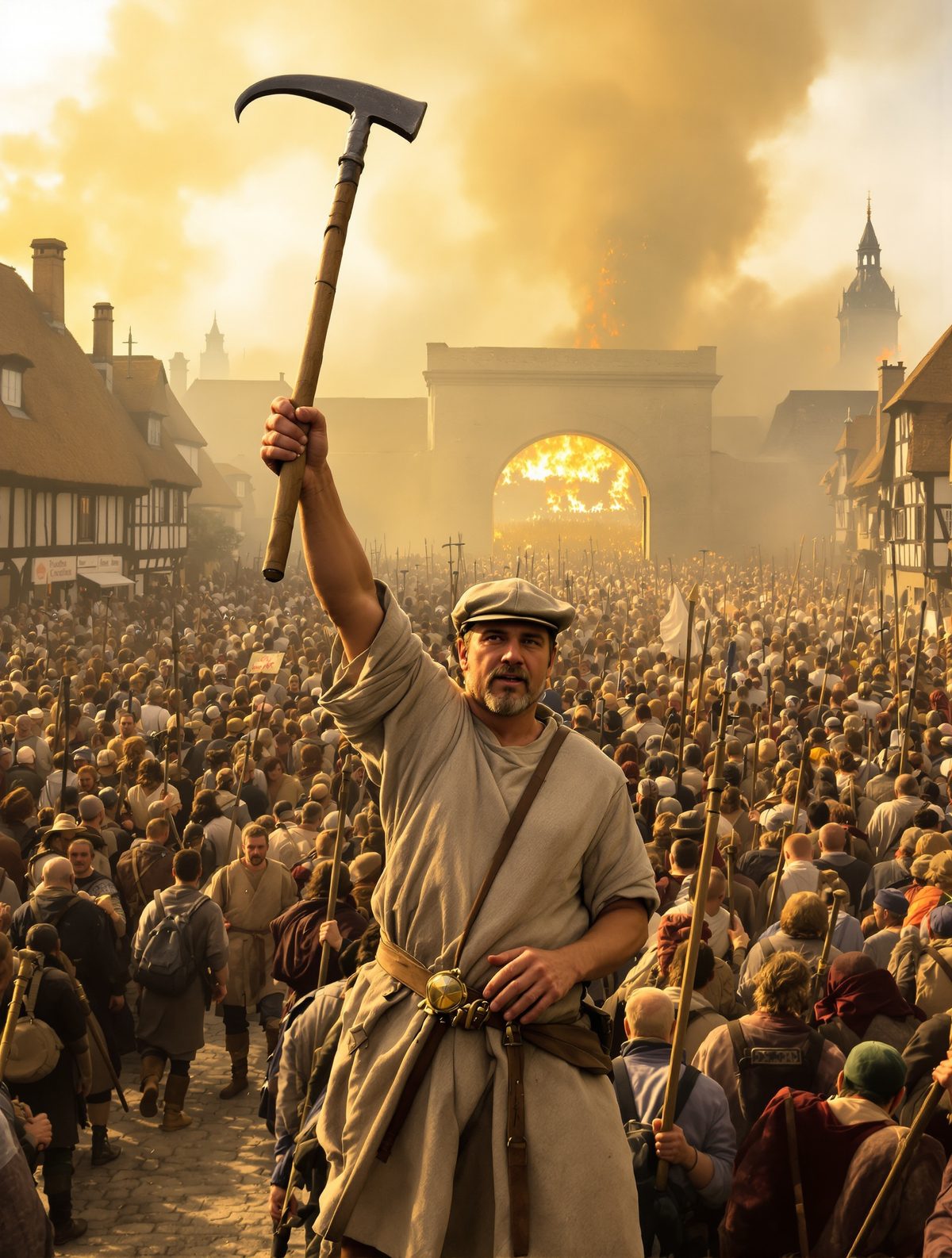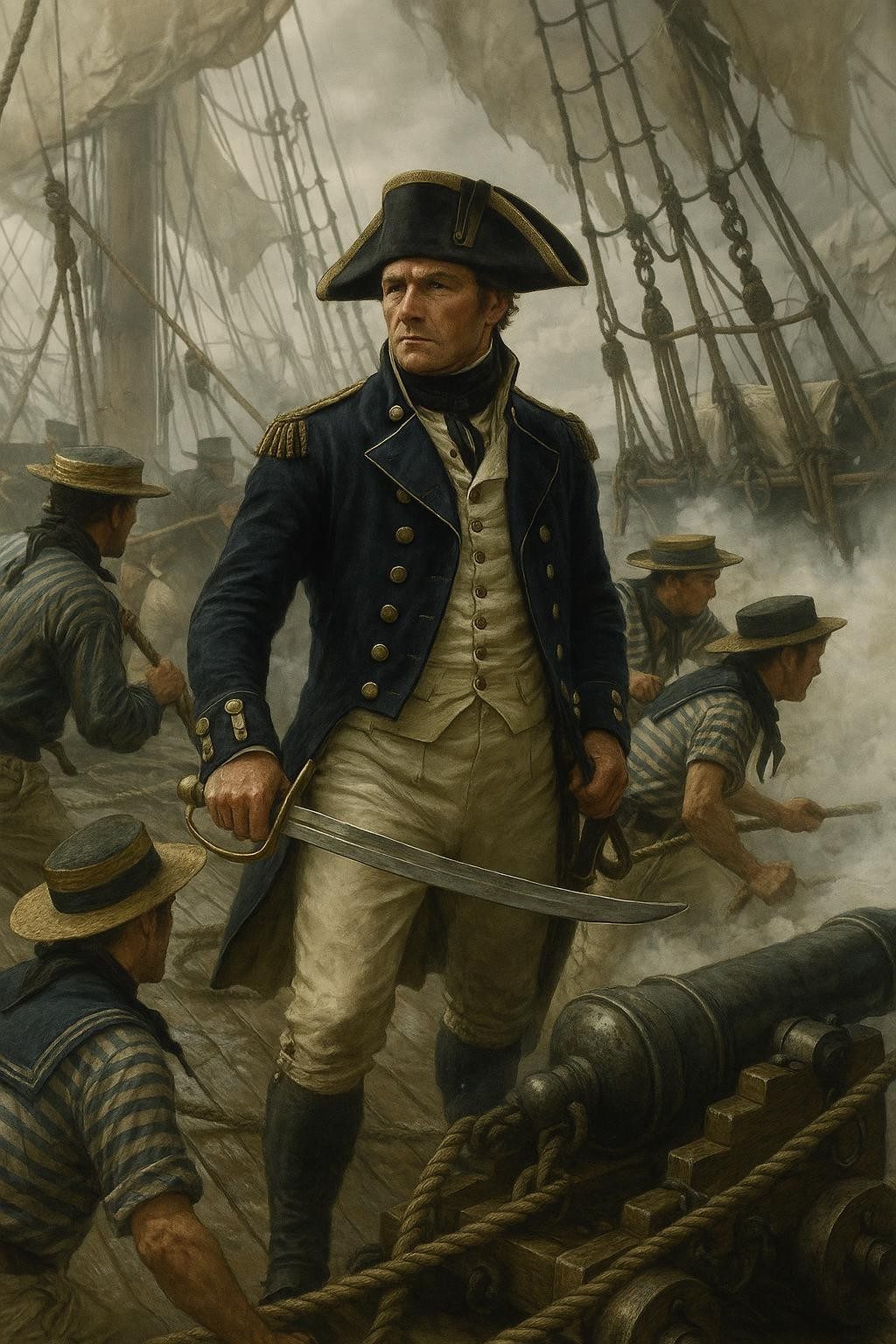
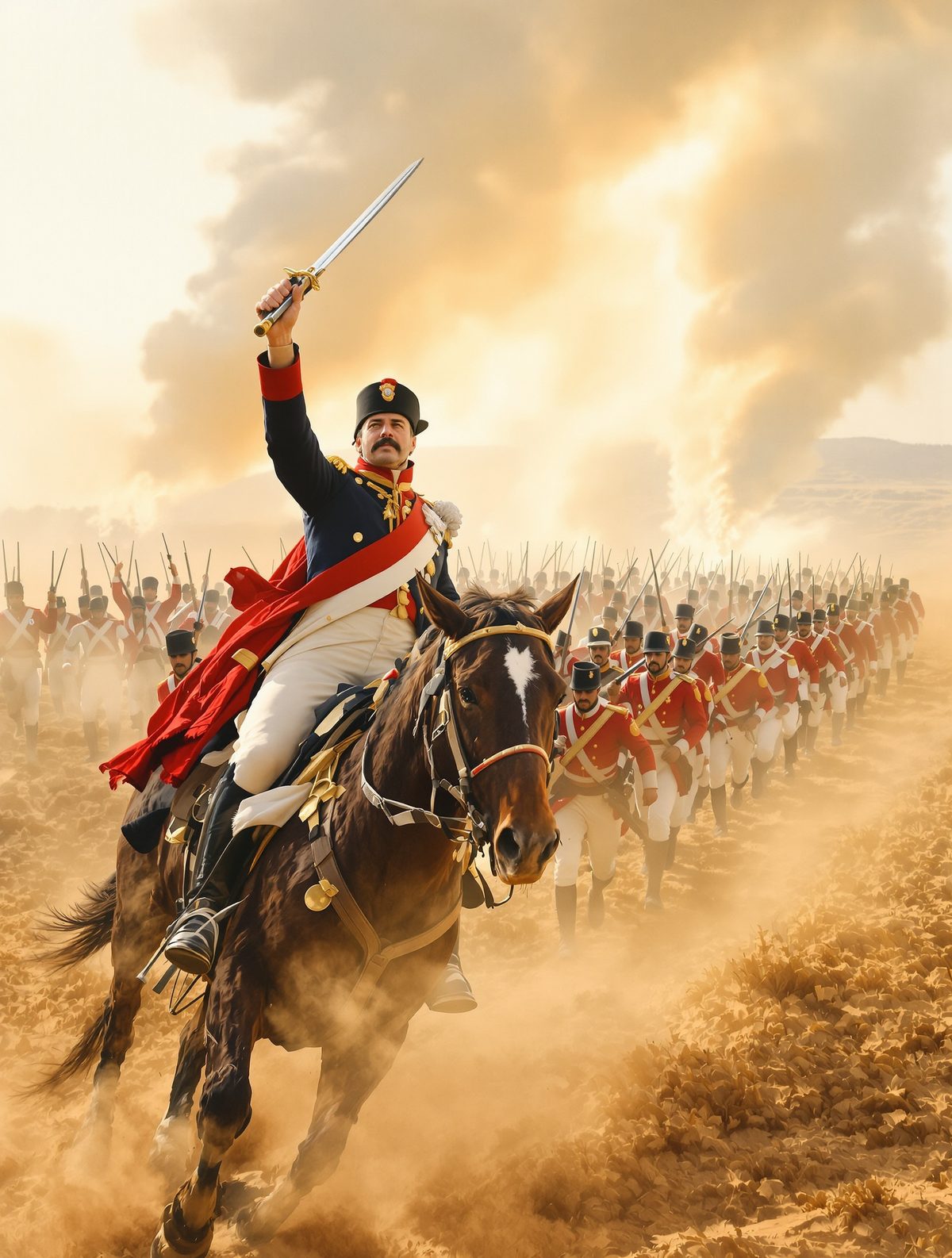
The early hours of January 28, 1846, promised nothing but dust and the silence of anticipation on the vast plains near the village of Aliwal in the Punjab. British and Sikh forces stood at a precarious juncture. Each awaited the other's move, guns loaded and nerves taut. Just across the Sutlej River, Sir Harry Smith, an Oxford-born army officer, emboldened by decades of military experience from the plains of Waterloo, faced a daunting challenge. The Sikh army was entrenched, twice as mighty in numbers, with the formidable Sutlej securing its rear. In a moment drenched in destiny, Smith turned to a young bugler. One note, one command — the charge — set the stage for what would become an unparalleled victory etched into the annals of the British Empire.
The Stage Set: Aliwal 1846
The First Anglo-Sikh War had reached a fever pitch as January 1846 dawned. Composed of fierce warriors, the Sikh Khalsa army was no stranger to the art of war, standing resolute on the border of British India. Their presence was as formidable as the Punjab terrain they knew so well. Vigilant, valiant, and armed to the teeth, they awaited the British forces under Sir Harry Smith — himself a seasoned veteran rising through the ranks since his teenage years, a heart full of strategic brilliance and heroics.
The geographical theater was unforgiving; the freezing rivers and dusty plains offered little shelter. Positioned along the Sutlej River, the Sikh force was strategically formidable. Sir Harry Smith's charge was not merely brave; it was a calculated gamble against a numerically superior opponent who had, moments ago, held the upper hand. His eye on glory, Smith formulated a plan that hinged on surprise, vigor, and the sheer unpredictability of audacity in warfare.
A Single Note: The Charge of Destiny
Imagine the tension in the brisk January air, as all eyes turned towards the youthful figure holding a brass bugle. It was no ordinary instrument nor an ordinary day. The bugler inhaled deeply, and with breath and brass, a clarion call resonated across the plains. The single note, the command of a full-frontal charge—simple yet poignant—like the touch of a conductor leading an orchestra. This singular sound reverberated through the ranks, electrifying the tired sinews of British soldiers, invigorating them with purpose.
As horse hooves thundered and the British infantry charged with relentless precision, even amidst artillery fire and the chaos of battle, the determined bugler's call continued to rally the troops. Sir Harry Smith could not pause for wonder at the symphony of war that unfolded. It was a fierce ballet of desperation and advantage, with every British bayonet, horse, and cannonball striking true, as if guided by a steady hand from some divine maestro.
When Strategy Meets Valor
Smith’s boldness paid off as the Sikh defenses crumbled — one pocket of resistance after another. Despite their finely tuned artillery positions and superior numbers, the Sikhs were unprepared for the swift, unwavering momentum of the British charge. Remarkably, the British forces not only managed to cross the river but also unleashed havoc on the Sikh cavalry and infantry, who initially spearheaded a resilient defense.
The key to Smith’s success was his intricate understanding of warfare. Instead of engaging along the entire front, Smith executed flanking maneuvers, breaching the Sikh lines and severing their coordinated resistance. Remarkably, despite being outnumbered, the British suffered minimal casualties compared to the Sikh army, whose retreat was nothing short of a rout — a testament to both Smith’s strategic genius and the unwavering bravery of his men.
The Aftermath: A Battle Less Wild
Astonishingly, the encounter at Aliwal was over in under an hour. The Sikh force of 20,000 was shattered beyond reformation that day, a performance noted by many as rivaling even the British triumph at Waterloo. Surprising to some, it would be the bugler’s piercing tones that left an indelible mark on the memory of this swift and precise victory.
Following their success at Aliwal, the British continued to press their advantage. Within months, the determined advances led to the decisive battle at Sobraon and the eventual end of the war. For Harry Smith, a knighthood cemented his legacy as an influential military tactician, affirmed by this engagement, which remains a remarkable study in the meticulous exercise of power and discipline in warfare.
Reflections: A Lesson for the Annals of History
In a world always on the cusp of conflict, the Battle of Aliwal serves as a remarkable case of how strategy, bravery, and perhaps a thoughtful ear for music can alter the tide of history. Though faced with overwhelming odds, the British forces’ triumph underscores the powerful interplay between leadership and resolve. The simple call of a bugle on a crisp winter’s morning in 1846 did not just rally troops but shattered preconceptions about warfare’s scale and potential.
Fast forward to today’s global stage, where leadership and courage are continuously tested. Lessons from Aliwal suggest that audacity, when married to judicious planning and execution, can transform the probable into the possible, forever reshaping history’s trajectory. It makes us ponder: in our world today, are we listening for the bugle that challenges existing certainties and prompts us toward unexpected victories?