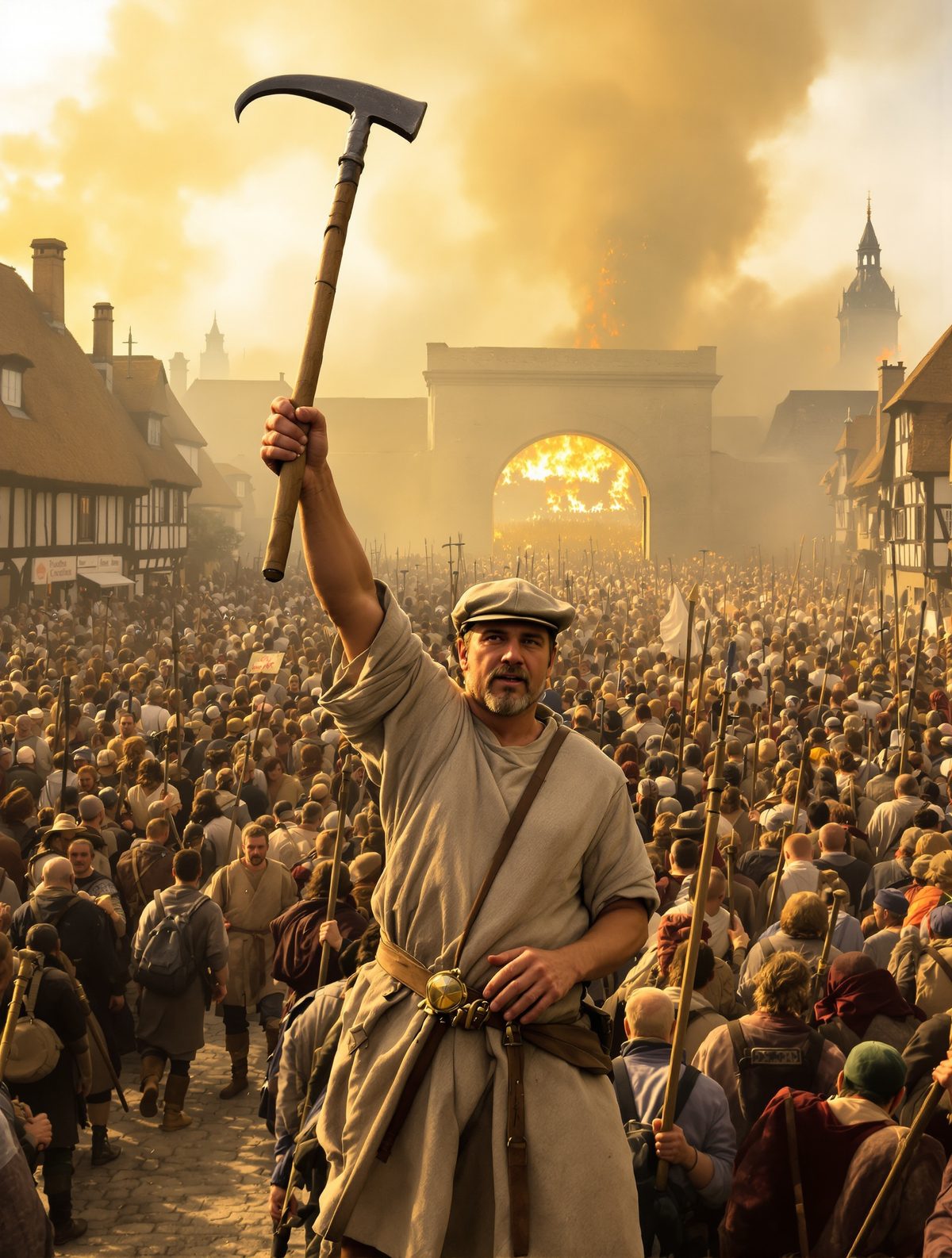
Picture this: London's air thick with smoke, the sound of clattering weapons and panicked footsteps echoing through its cobbled streets. This is not the London you know—this is a London in chaos, a city besieged not by knights or invading armies, but by the very peasants who once toiled silently in its fields. In June 1381, led by a man named Wat Tyler, tens of thousands of England's oppressed surged into the heart of the city, demanding a life beyond the burdens of serfdom. For three incredible days, they weren't just heard—they held one of the world's greatest cities in a vice grip.
From Grievance to Rebellion
The seeds of this rebellion were sown in the mire of inequity and injustice. For decades, England's ruling elite imposed crushing taxes, with the most egregious being the three-time poll tax levied between 1377 and 1381. The final insult came when the government, desperate to fund its prolonged and costly wars against France, decided that every male over 15 pay the same. For commoners, this tax was not merely an economic burden but a symbol of their subjugation.
Enter Wat Tyler, a charismatic and courageous figure emerging from the depths of despair. Tyler is one of history's enigmas—his past largely unknown, his legend rooted in the furious tide of the rebellion. What is clear, however, is his profoundly incendiary ability to unite disparate villages under a single cause: the end of feudal oppression.
On June 12, 1381, Tyler's army, estimated at 60,000 strong, many of them serfs and laborers, set out from the fens of Kent, marching with purpose and resolve. These men, who tilled the soil by day and dreamt of freedom by night, were now marching under new banners of resistance against tyranny itself.
The March on London
As they crossed fields and villages, the army picked up supporters and momentum. By the time they reached the outskirts of London on June 13th, their numbers had swelled, and their voices were a cacophony of long-pent-up grievances. London’s gates, perhaps unwisely, were opened to them. And thus, began a three-day siege that remains one of the most extraordinary episodes in English history.
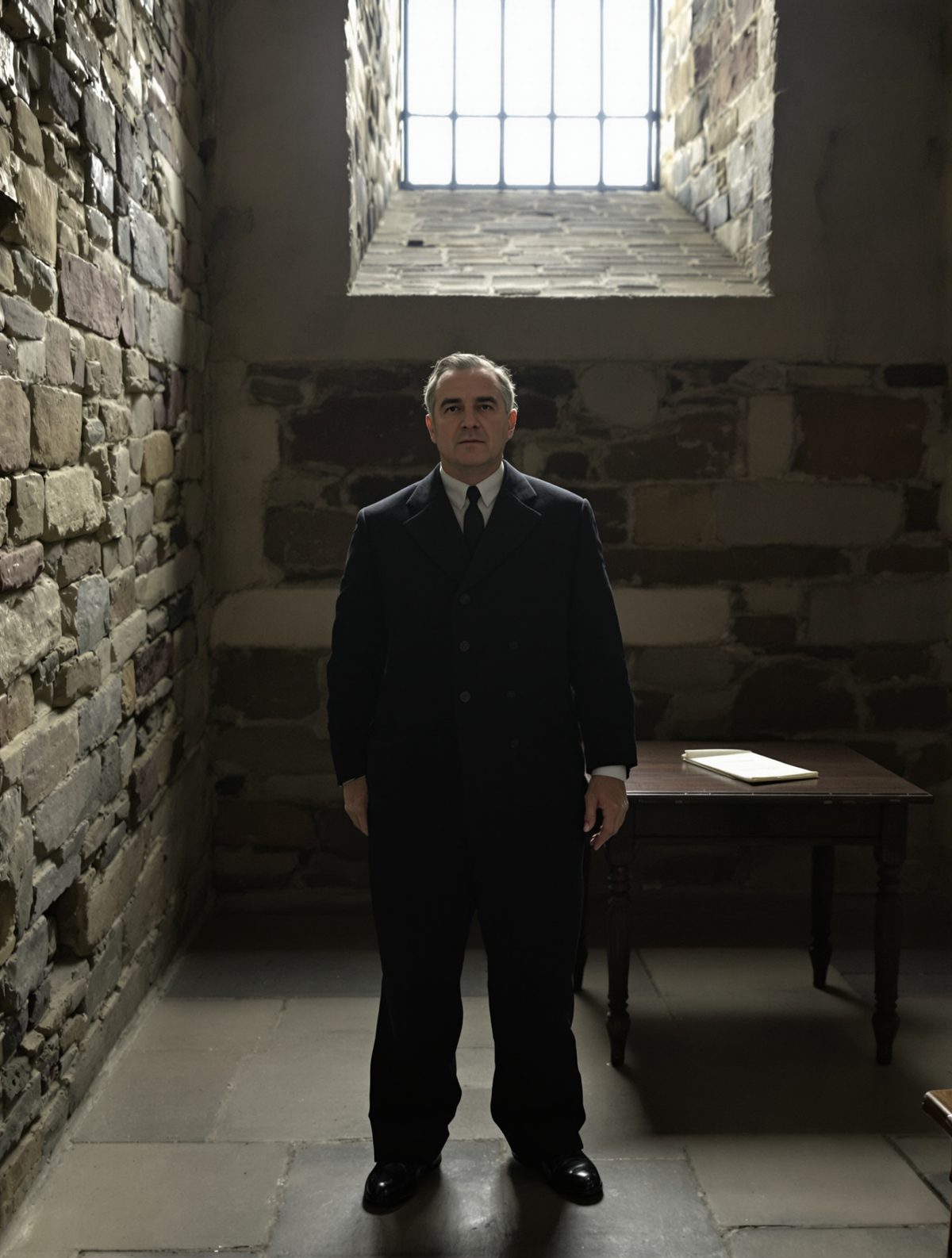
The rebellion was not a chaotic looting spree; it was a targeted political statement. Anger found a focus in the regime’s bureaucratic and oppressive instruments. Records of feudal obligations were pulled from the archives and thrown into flames. The prisons, home to those jailed on economic whims, were deliberately unshackled, freeing numbers of debtors and dissenters. Even the ostentatious home of John of Gaunt, the king's uncle, did not escape the uprising's wrath as the Savoy Palace was reduced to rubble.
King Richard II: Facing the Unthinkable
Young King Richard II, merely 14 years old at the time, found his rule unexpectedly tested to extremes. On June 14, amidst the chaos, he agreed to meet the rebels at Mile End. The king consented to their demands, promising the abolition of serfdom and obfuscatory laws, only for these promises to crumble as the King’s forces regrouped.
Yet the real drama unfolded the following day. In an audacious move, the rebels met the king again at Smithfield. It was here that the confrontation took a tragic turn. The peaceful negotiations soon devolved into violence, and in the ensuing chaos, Wat Tyler was struck down, killed amidst his assembled followers. Wat Tyler's death should have marked the rebellion's end, but Richard, facing an assembly of still-furious rebels, responded with unexpected diplomacy, calming the crowd and securing a temporary peace.
The Silent Repercussions
Though the rebellion ended in bloodshed, its echoes rippled through time. The immediate aftermath saw the King's promises unfulfilled and retribution swift; many rebels found themselves tried and executed. Yet the Peasants’ Revolt, as it came to be known, was not in vain. It lit a spark of deeper consciousness among England’s lower classes, challenging the very foundations of medieval servitude.
Over the next few decades, the rigid feudal system began its gradual crumble. The poll tax was never reinstated, and the labor market experienced shifts towards greater freedoms and wages for peasants as the population adjusted in the wake of the Black Death. The uprising highlighted the inherent strength in unity and that even the humblest voices could reverberate through the corridors of power.
The Legacy of the Unspoken
The saga of Wat Tyler and the Peasants' Revolt remains an enduring tale of courage in the face of oppression. It speaks to the universal struggle for human dignity and the power of collective action. Many facets of this remarkable episode are still shrouded in mystery, yet its lessons remain profoundly relevant.
In an age where economic inequality and social injustice continue to challenge societies worldwide, Wat Tyler's march into London serves as a stark reminder. It provokes us to question, to challenge, and to strive toward a world where justice and equality are more than mere promises. As we study this captivating chapter of history across the pages they left unwritten in textbooks, we’re reminded that the true power lies in the united, untold voices demanding change.