In the hushed halls of British power, a chilling document began to circulate in August 1916 — a letter penned by a once-revered knight, Roger Casement. His final words were not of remorse, but of unwavering defiance. As the reality of the Easter Rising loomed large on the British conscience, Casement’s final letter sizzled with betrayal and guts, rattling the very empire he once served. What drove this celebrated human rights champion from maintaining order in Africa to courting chaos in Ireland? Dive with us into the defining moments of Roger Casement's extraordinary journey.
A Champion of the Downtrodden
Roger Casement was born in 1864 in Sandycove, County Dublin, to a lineage teeming with both British and Irish influences. As he crossed the threshold into adulthood, his path mirrored the colonial complex of his birth. Entering British consular service, Casement’s destiny took him to Africa in the 1880s, where he emerged as a young clerk with a discerning eye. By 1903, his meticulously documented report on the Congo Free State exposed the open secret of horror — King Leopold II’s enterprise was mired in exploitation, with an estimated ten million Congolese lives lost.
But Casement's audacious advocacy didn’t climax there. In 1911, sent to the Peruvian Amazon, he revealed appalling conditions in the rubber industry once again, this time pointing fingers at the British-owned Peruvian Amazon Company. Knighted in 1911, for his tireless human rights work, Casement became the imperial hero—a rare paragon of morality, thundering against the wrongdoers in unyielding prose.
From Knight to Kinsman
Yet, a storm brewed within the heart of this knight. Over the years, Casement's travels opened his eyes to brutal realities that transcended continents. On returning to Ireland, he witnessed the shoddy veneer of civility crumbling under British rule. He saw parallels between colonial Africa and the United Kingdom's Irish policies — both wrote peoples’ histories in blood and repression.
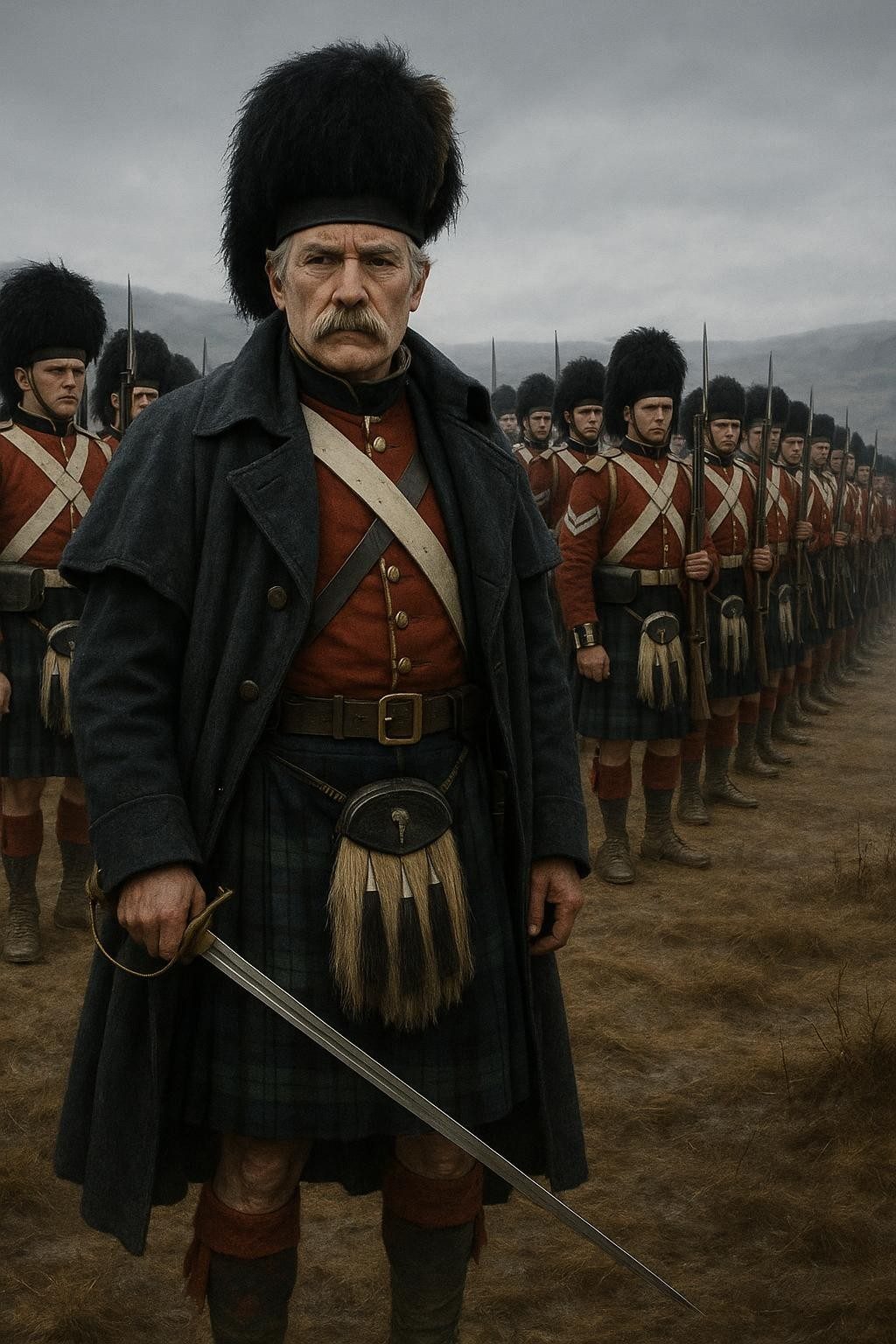
Seduced by a deeper calling, Casement abandoned his gilded life for a greater cause: Irish independence. By 1914, Casement emerged as a pivotal figure among the burgeoning Irish nationalist movement, allying with John Redmond's Irish Volunteers. In 1916, he sought German arms for the beleaguered rebels, reaching Germany on a mission of desperation and daring.
The Doom of the Rising
The infamous Easter Rising began on April 24th, 1916, slashing through Dublin’s Easter mists with sounds of revolt. But before an Irish surrender settled the dust, Casement, too, faced his demise. Captured attempting to land German weapons at Banna Strand on ‘Good Friday’ April 21, his promise to liberate Ireland collapsed alongside the rebellion.
Casement was transported to London, where his trial captured global attention. Sedition charges clouded his fate, leaving his peers divided. Even famed playwright George Bernard Shaw and Sir Arthur Conan Doyle advocated for clemency. But Casement’s covert sexuality, scandalously revealed through his so-called ‘Black Diaries’, diverted support. On June 29th, 1916, Casement's court-martial cast the die: he was condemned to hang.
Words That Defied Eternity
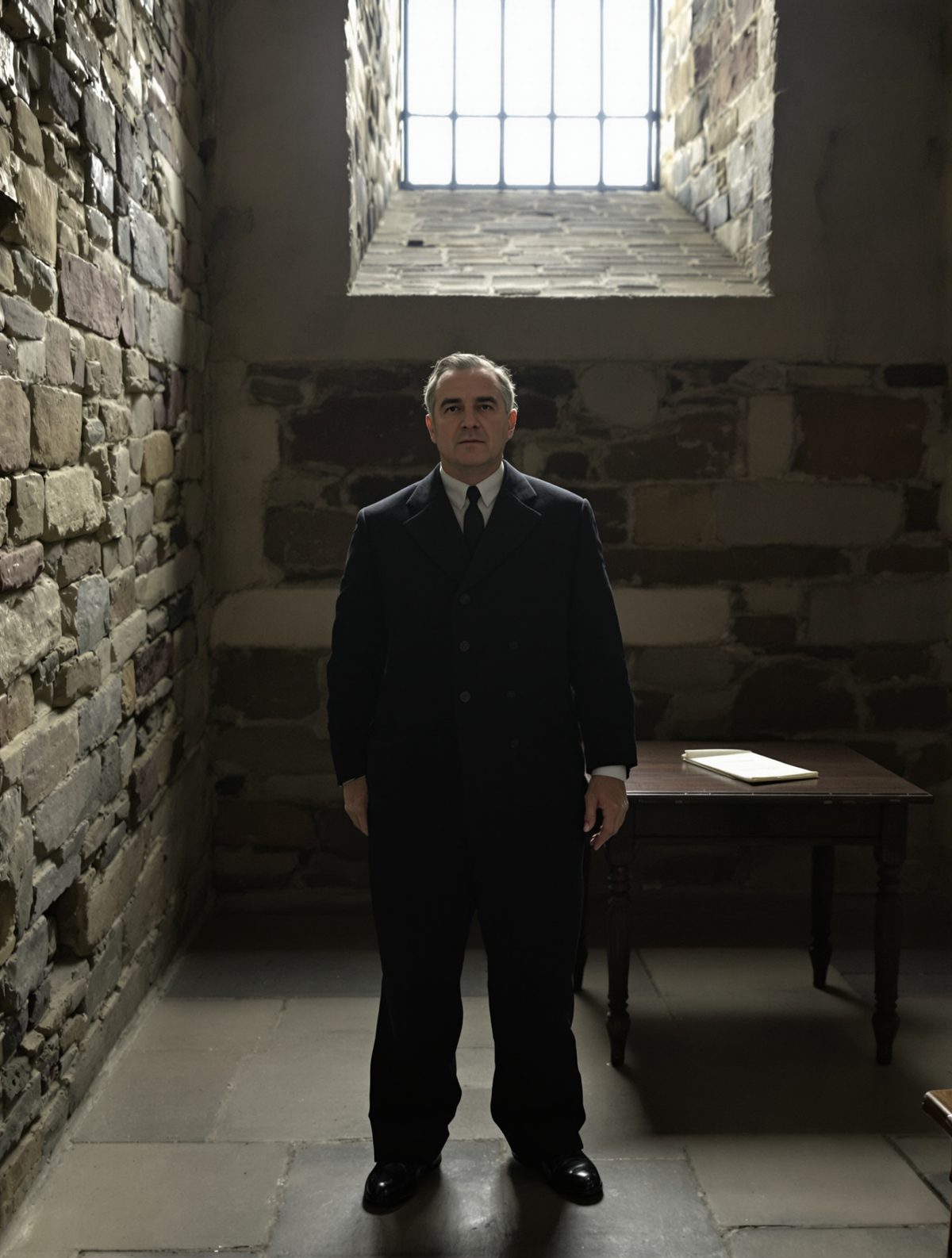
In a fittingly dramatic postscript, Roger Casement composed a fateful letter on July 30, 1916. He faced death with unwavering resolve, unmoved by royal clemency. Defiant until the end, he remained true to the Irish cause and his conscience. Casement penned words that rejected colonial subjugation, lamented imperial exploitation, and refuted his own supposed treachery. His letter became a symbol of exile betrayed by the motherland — fiery prose that resounded deeply within the veins of a restless nation.
A Lasting Legacy
On August 3, 1916, Roger Casement was led to the gallows at London's Pentonville Prison. Over a hundred years later, his legacy echoes still, as an indefatigable voice against tyranny; his writings polarizing and profound. As Ireland mourned its martyred patron, Britain was left to ponder a knight's relentless pursuit of justice, invigorating an enduring nationalistic narrative.
Indeed, the rupture Casement caused in exposing Britain's own imperial hypocrisy still resonates in today's dialogues of freedom and self-determination. Although his letter plunged Britain into introspection, it beckoned future generations to examine the margin notes of history — those legends they left out of the textbooks but which continue to shape the soul of nations.