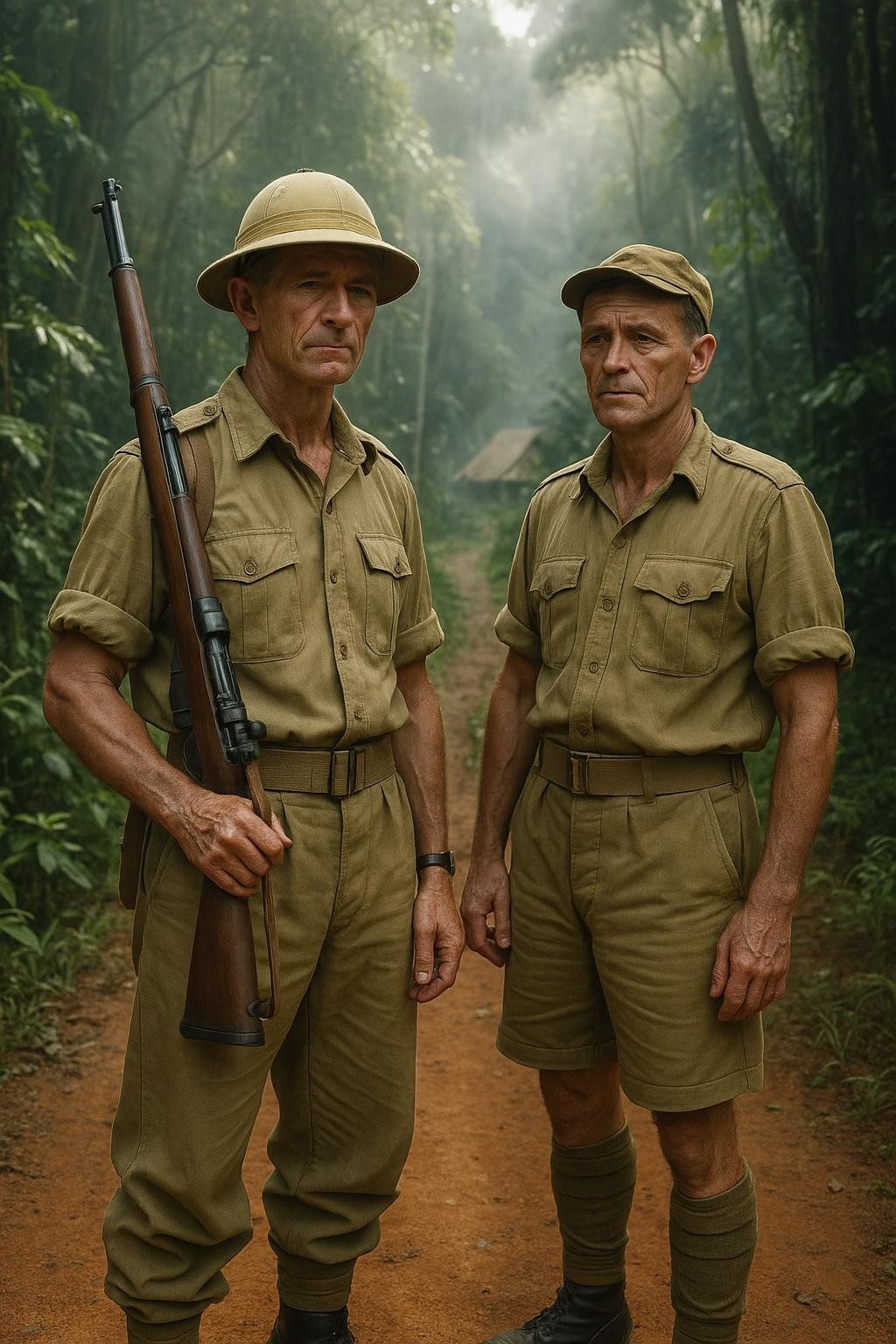
The sound of boots on damp earth was swallowed by the dense canopy above. It was a place where every shadow could hide a threat, and each rustle might signal danger. Yet, in these oppressive jungles, a quiet triumph unfolded — a victory that history almost forgot. This is the story of Britain's fight against the Communist insurgency in Malaya, won not with fanfare, but with grit, resolve, and the silent strength of a determined few.
The Emergency Begins: A War by Any Other Name
In June 1948, the sun rose on a world anxious for peace after the horrors of World War II. Yet, in the humid air of Malaya, a different kind of struggle began. When three European estate managers were killed in the northern state of Perak, it marked the opening salvo of what would be known as the Malayan Emergency. Why not a "war"? Because labeling it as such would have led to insurance complications for the British-owned rubber estates, risking crippling financial losses.
This wasn’t a textbook clash of armies; it was a guerilla war, a bitter fight against the Malayan National Liberation Army (MNLA), the military arm of the Communist Party of Malaya. At its peak, the MNLA boasted 8,000 fighters, their ranks swelling with those disillusioned by post-colonial promises unfulfilled.
Jungle Warriors: Fighting an Invisible Enemy
The British forces, alongside Commonwealth allies, engaged in a war where the jungle was as much an adversary as the insurgents. The thick rainforest provided cover and sustenance to the guerillas, making them elusive targets. Engaging the enemy required the creation of specialist units like the famed Ferret Force and the SAS, skilled in jungle warfare and survival.
Among these soldiers were the Iban trackers, indigenous people renowned for their unparalleled tracking skills. With uncanny ability, they could interpret disturbances in the underbrush and deduce the presence and movements of Communist guerillas. Their role was critical in tipping the balance of the campaign.
Hearts and Minds: A War Without Parade
Colonel Sir Gerald Templer was appointed High Commissioner in 1952, and his strategy was as much about hearts and minds as it was about combative superiority. His aim was not just to defeat the enemy militarily but to cut off their support among the local population. Templer wisely understood that winning the war in the villages was as crucial as victories in the jungles.
In a series of measures that foreshadowed modern counter-insurgency tactics, entire squatter areas were relocated into “new villages,” enclosed settlements better protected and provided with amenities. Additionally, Templer introduced what might now be called "winning hearts and minds" policies, ensuring that state benefits and development projects reached these communities. As a result, guerrilla support dwindled significantly.
Strategic Success: The Sound of Silence
By the time the Emergency was officially declared over in 1960, its cessation was less a triumphant victory march and more a quiet departure from a humid and unyielding battlefield. British forces had steadily decreased, and by August 1960, the last of Britain’s soldiers packed up their scant belongings and left Malaya. This was not without its costs: over a thousand British and Commonwealth troops lost their lives in the trenches of the jungle.
Meanwhile, the civilian toll was greater yet; between partisan conflicts and collateral damages, over 11,000, including insurgents and civilians, perished. Despite these numbers, what was perhaps most remarkable was how undersold the success was — a decade-long campaign still largely absent from the annals of widely taught history.
Legacy Unseen: The Forgotten Peace
Why did this victory slip through history's fingers? In a post-war world grappling with Cold War tensions and rapid decolonization, perhaps this quiet triumph lacked the drama and clear-cut heroes that typically capture public imagination. Malaya's steady transition to the independent Malaysia by 1963 boasted economic stability and democracy, a testament to the often underestimated power of strategic subtlety.
Today, the Malayan Emergency teaches us that a war won without glory is still a victory. It was a unique campaign in a time when the world's stage was crowded with more glamorous or tragic acts. Still, it left behind a legacy of resilience, a reminder of the unsung complexities of decolonization. In a world where silent battles both literal and figurative continue to rage, its lessons remain potent; sometimes, the greatest victories are those won without parades.