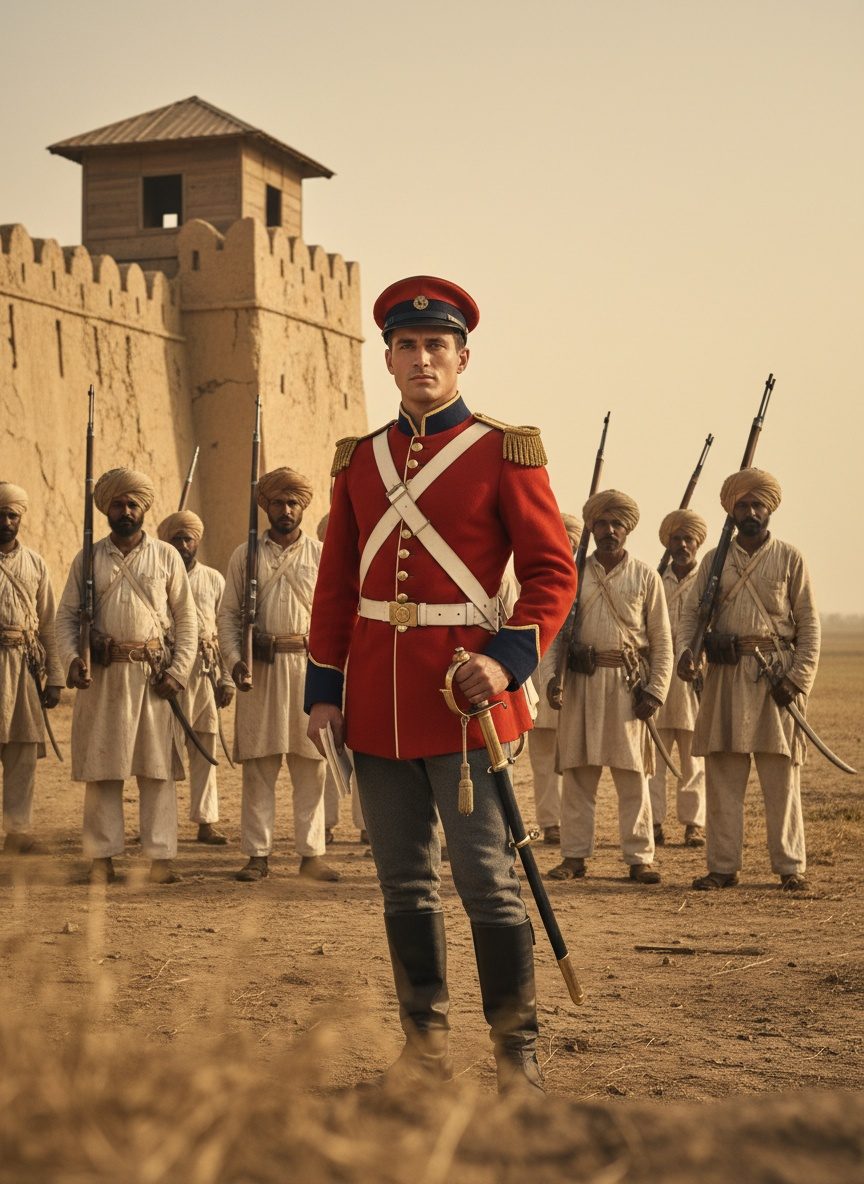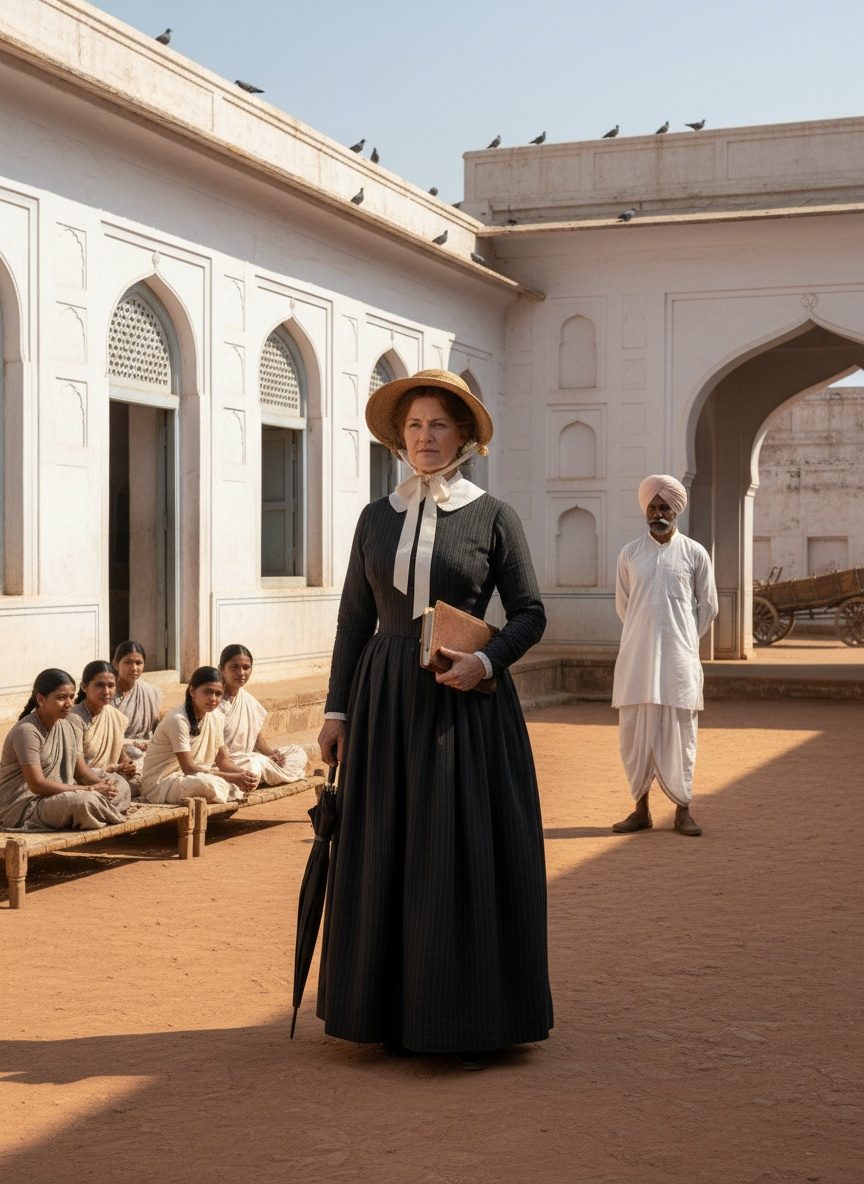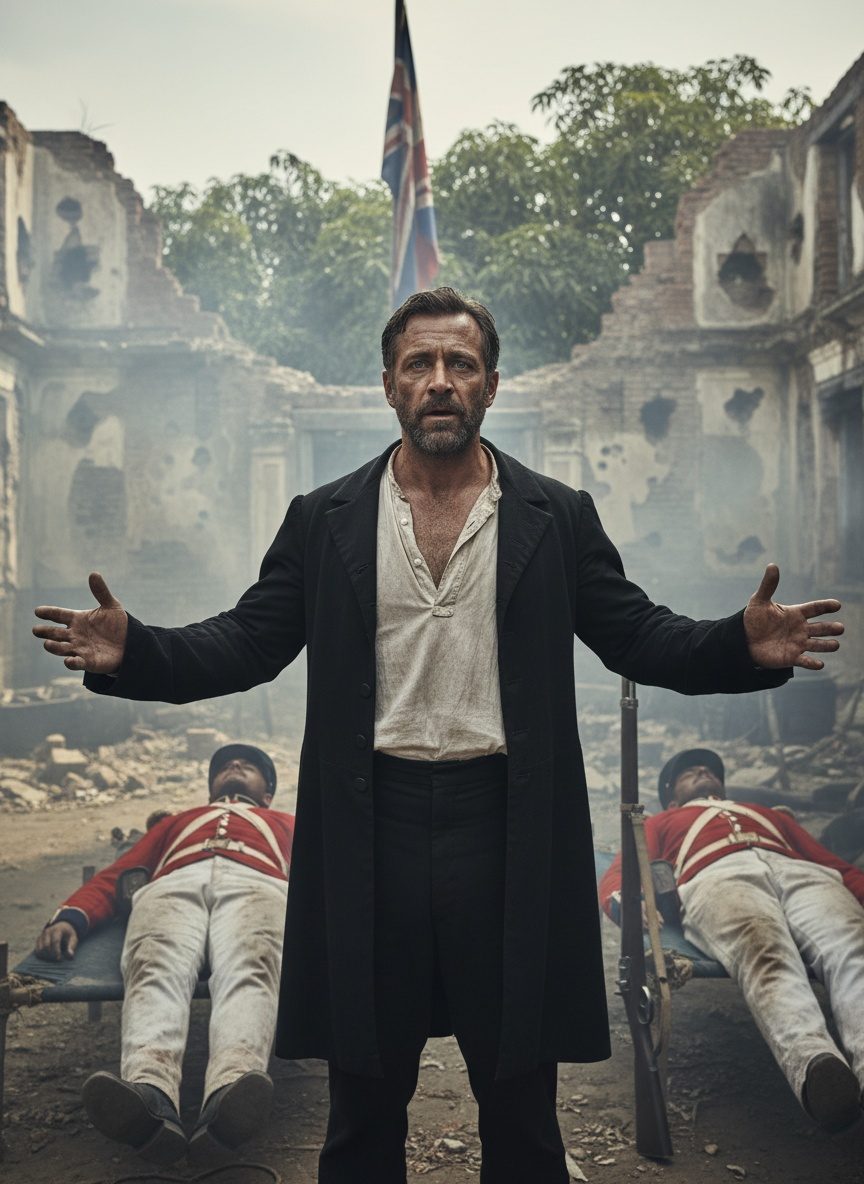
The muggy air was heavy with gunpowder and fear as the rumble of artillery fire drowned out desperate cries. Smoke clouded the midday sun over Lucknow, shrouding the British Residency in a persistent haze. Beneath this storm of chaos, one unarmed chaplain wove through the cacophony, each step carrying him closer to a firing squad poised to unleash death. He had nothing but his voice—a surprising weapon against the relentless tide of mutiny sweeping through India in 1857.
Between Faith and Ferocity
Amidst the crumbling walls of the beleaguered Residency, the Reverend—a Church of England chaplain—embodied a rare kind of courage. Pressed against the blistering heat of June, surrounded by the sights and sounds of desperation, he navigated a scene that not even the most seasoned military officer could command. The rebellion had transformed the once orderly paths of British control in India into a web of insurrection, but the chaplain was not a soldier; he was a shepherd amidst wolves.
His congregation that day was a group of men and women, besieged, hungry, and largely untrained in the nuances of battle. The Residency, the epicenter of the British camp, was on the brink of collapse. The rebellious sepoys, incensed by rumors that challenged their traditions and way of life, saw every soldier at Lucknow as a symbol of colonial degradation. It was in this powder keg of resentment and impending death that the chaplain stood, a lone figure, urging for compassion and offering up his own life as a token of his earnest plea.
The Siege Commences
The siege of Lucknow was a defining moment in the Indian Mutiny of 1857, a conflict sparked by grievances sewn into the very fabric of British rule. The spark of rebellion had ignited in Meerut and spread like wildfire, fueling revolts and violence. By the time Lucknow was under siege, the Residency had become a semblance of defense, a dwindling sanctuary for survivors and wounded alike.
Water supplies were growing dangerously scarce and provisions were rationed to the brink. The walls, marked and shattered by artillery, seemed to whisper stories of impending collapse. The rank bitter scent of cordite was an omnipresent reminder of the rebellion pressing ever closer. Even the British were not wholly united—morale ebbed and flowed, as predictable as the monsoon rains. Religious tensions added layers to the chaos, but amidst these uncertainties, one voice cut through the despair—a chaplain commanding nothing but the logic of faith and humanity.
A Voice Raised in Unison
As the firing squad readied their muskets, the chaplain's voice rose, echoing over the deathly quiet of those final moments before the potential volley. There was no uniformity in his speech, neither formal sermon nor religious rhetoric could have moved the rebellious sepoys. Instead, he spoke plainly, as a man who saw fellow souls caught on opposite sides of the same tragedy.
His appeal, devoid of weapons or coercion, was a simple call for mercy. It was not an appeal from power that stayed the sepoys' hands, but rather from shared humanity. In that moment, the chaplain's gentle persistence wove a fragile thread between two worlds at war. Known only through recounts of the survivors, his plea was a miracle of moral persuasion, powerful enough to turn the tide even momentarily. The sepoys, weapons wavering, perhaps saw a kindred spirit rather than an enemy.
The Aftermath and The Ripple
Though the siege of Lucknow eventually fell into British favor, thanks in part to the reinforcements that fought their way to the Residency months later, the echoes of that one chaplain's unwavering bravery resound even today. As the dust settled on a battered city, the courage to stand unarmed in front of certain death became a story to rival legend—a narrative not for the faint of heart, but for the brave at soul.
The incident reminds us that sometimes the greatest weapon in conflict is not artillery or strategy, but the power of the human voice when wielded with conviction. Amidst the violence and upheaval of the Victorian Empire and the far-reaching mutiny of 1857, one chaplain's stance between life and death taught both sides an invaluable lesson that transcends the annals of colonial history. It was a momentary pause in a broader struggle for control and identity—a flicker of hope that compassion had a place even amidst battle—the kind of legend "Empire Untold" brings to light for generations seeking insight into the stories omitted from traditional textbooks.