June 1, 1848. The oppressive heat of the Punjab bore down relentlessly.
The Flashpoint of a Fractured Empire
As the British Empire stretched its formidable reach across the vast expanse of the Indian subcontinent, it found its ambitions tested in the seething landscape of the Punjab. This region, a true jewel in Britain's imperial crown, stood at the very frontier of its dominion, nestled against the volatile north, where swords were sharp, and tempers sharper. The year was 1848, and the Punjab, newly annexed, simmered with unrest, a powder keg waiting for a spark.
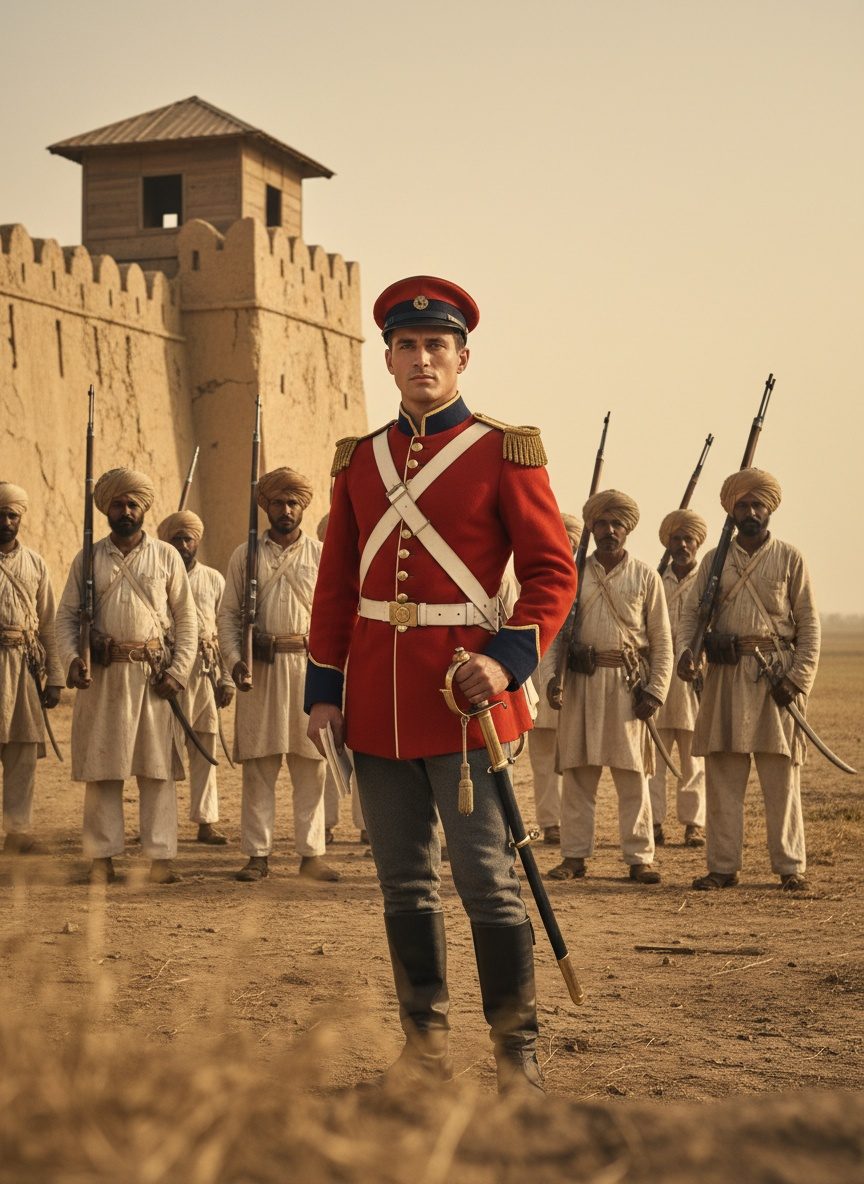
Amid this boiling tension walked a young British officer, Lieutenant Herbert Edwardes. Only 27 years old, Edwardes found himself without an official mandate, yet his actions would shape the course of history. Authority was sparse for this lone officer in the dusty heat of Northern India, his orders undefined, his mission perilously unclear. What he had instead was an uncommon charisma and, surprisingly, his words, penned skillfully in a letter.
An Unorthodox Diplomacy
Edwardes, on encountering the beleaguered Punjab, quickly grasped the swell of potential revolt. Instead of awaiting distant orders from a detached colonial apparatus, he chose to act. It was a decision of audacious diplomacy rather than military might that characterized his tenure during those harrowing days. Alone, without the clout of a regiment behind him, he reached out with nothing more than his pen, crafting letters that spoke directly to the hearts of chiefs wavering at the brink of rebellion.
The articulation of his letters was nothing short of a masterstroke. They appealed to unity rather than division, evoking a sense of purpose beyond the allure of rebellion. His words possessed a gravity that belied his youth, weaving a narrative of what could be gained through cooperation rather than conflict. The might of the British army was not his to command, but the power of persuasion was, and he wielded it with a deftness that turned potential foes into allies.
A Volunteer Army from the Winds
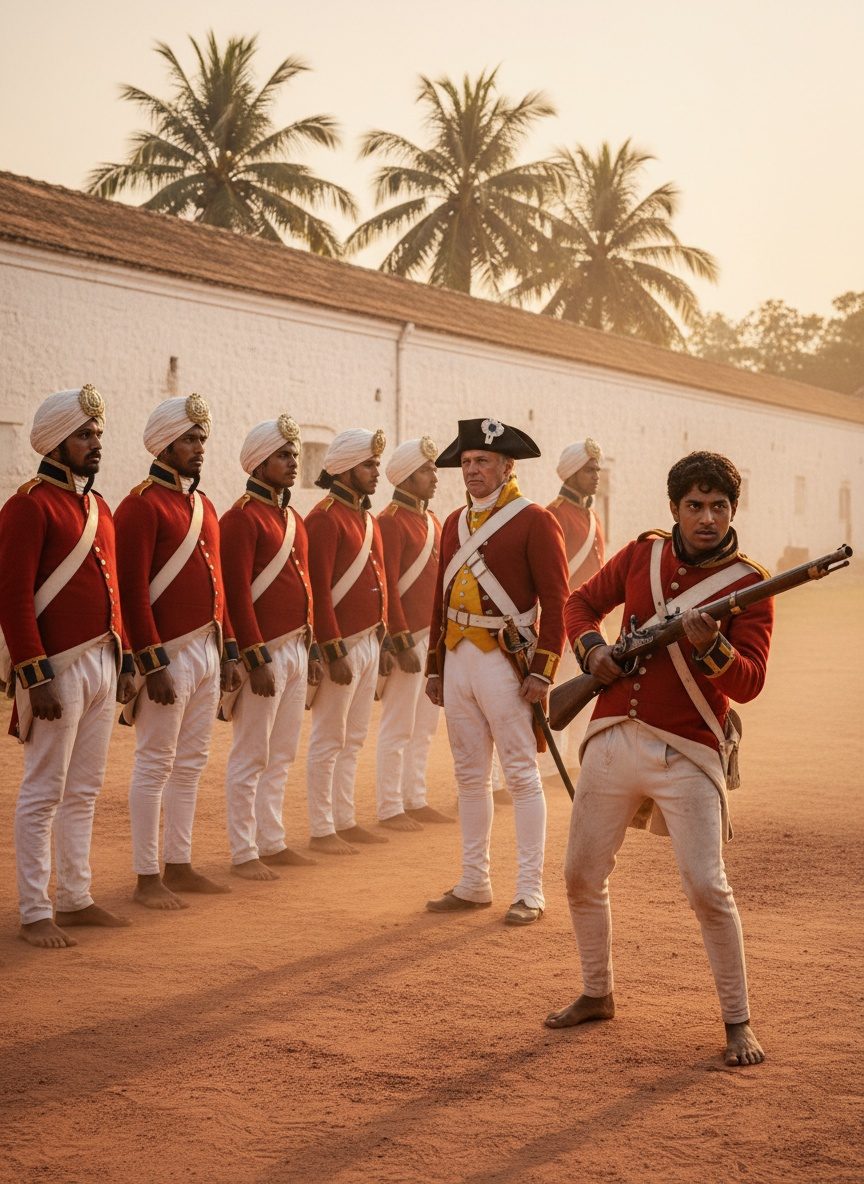
Seemingly from dust and determination, Edwardes managed to raise a formidable force. His persuasive charm extended not only to chieftains but to local people who believed in his vision. With no formal regiment to call his own, he formed a volunteer army comprised of a diverse cross-section of society. Farmers who had once tilled the rich soil of Punjab and traders familiar with the barter of goods now marched under his banner. They were united by nothing more than belief.
This ad hoc assembly of men found guidance in Edwardes's unyielding resolve and shared sense of purpose. Their movement was swift, signaling a dramatic shift on the chessboard of imperial strategy. The young lieutenant picked his battles as carefully as his words, choosing where to stand and when to negotiate, understanding that the war he waged was as much psychological as it was physical. The local terrain became both a battleground and a bonding force, its significance transcending the mere geographical.
The Legacy of a Singular Resolve
Through sheer tenacity, astute diplomacy, and shrewd military tactics, Edwardes's leadership and strategic prowess became undeniable. His efforts played a significant part in containing the unrest that teetered on rebellion, holding the Punjab steady until the British could dispatch reinforcements and political stability could be restored. The Punjab avoided descending into chaos during the summer of 1848, not through a great clash of arms, but through the power of communication and strategic alliance.
Today, the actions of Herbert Edwardes during those fateful months are not as well-known as other tales of imperial adventure, yet they teach us profound lessons about power and its use. Authority does not always rest in numbers or the sheer force of an army; sometimes, it is found in the careful stitching of social fabric, in earning the trust of the many through dialogue. Edwardes, with no regiment to stand beside him, taught us the potential of a single voice amid a cacophony of unrest.
In a world where confrontations are often resolved by the strength of arms, the story of a young lieutenant holding the Punjab with a letter—a story left out of most textbooks—reminds us of the nuanced power of diplomacy and the enduring influence of well-chosen words and steadfast resolve. It remains a testament to what can be achieved by those who dare to act beyond the boundaries of convention.