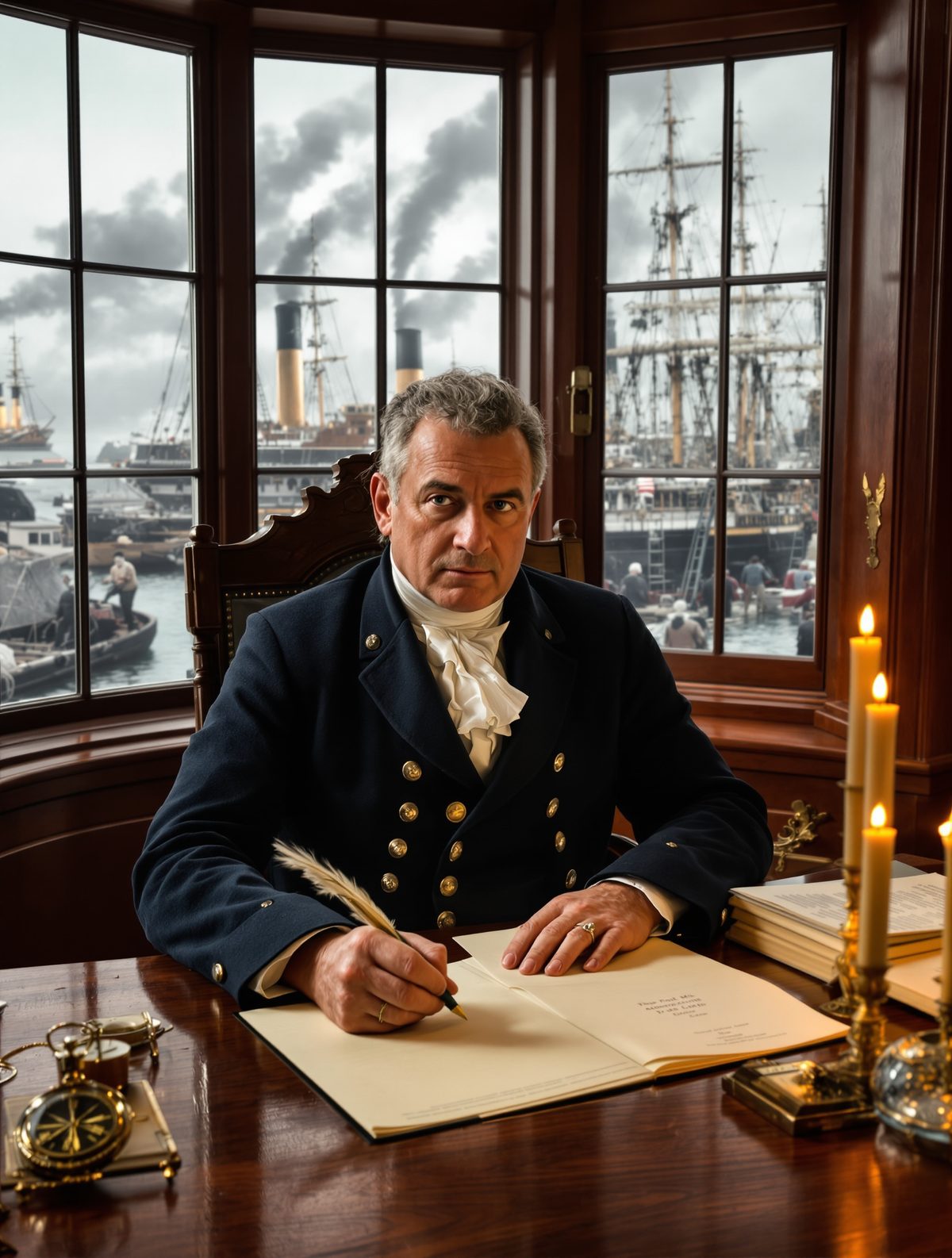
In the scorching summer of 1857, a small group of British officers and civilians found themselves trapped within the dilapidated walls of the Residency at Lucknow, surrounded by hostile forces and facing inevitable doom. As the sun set and shadows lengthened, a daring officer named Thomas Henry Kavanagh undertook a mission so audacious that it would shape the future of an empire. His solitary journey through enemy lines not only saved nearly 900 lives but also illuminated the courage that can emerge when hope seems lost.
The Siege: A Stranglehold at Lucknow
The year was 1857, and the Indian Mutiny, also known as the First War of Indian Independence, had erupted across the subcontinent. Sepoy regiments of the East India Company mutinied, causing tremors through colonial strongholds. In June, Lucknow's Residency became a crucible of crisis. Thousands of sepoy-rebels besieged the compound, their gunshots echoing through the air like relentless thunder. Inside, almost 900 men, women, and children lurked in shadow, their resources dwindling and diseases gnawing away at their numbers.
The Residency was a once-grand complex, reduced now to ruins by artillery bombardment. Yet within its crumbling colonial façade, stories of valor and resilience unfurled. Little did anyone know that a low-ranking civil servant would soon perform a feat that none would forget.
Daring Disguise: Kavanagh's Night Journey
Thomas Henry Kavanagh was no seasoned military man; he was a clerk from the Bengal Civil Service. Yet when General Sir Henry Lawrence fell to a shell splinter, and other leaders hesitated, Kavanagh seized the initiative. On the night of November 9, 1857, Kavanagh transformed himself completely — body and soul — for a mission almost certain to end in death.
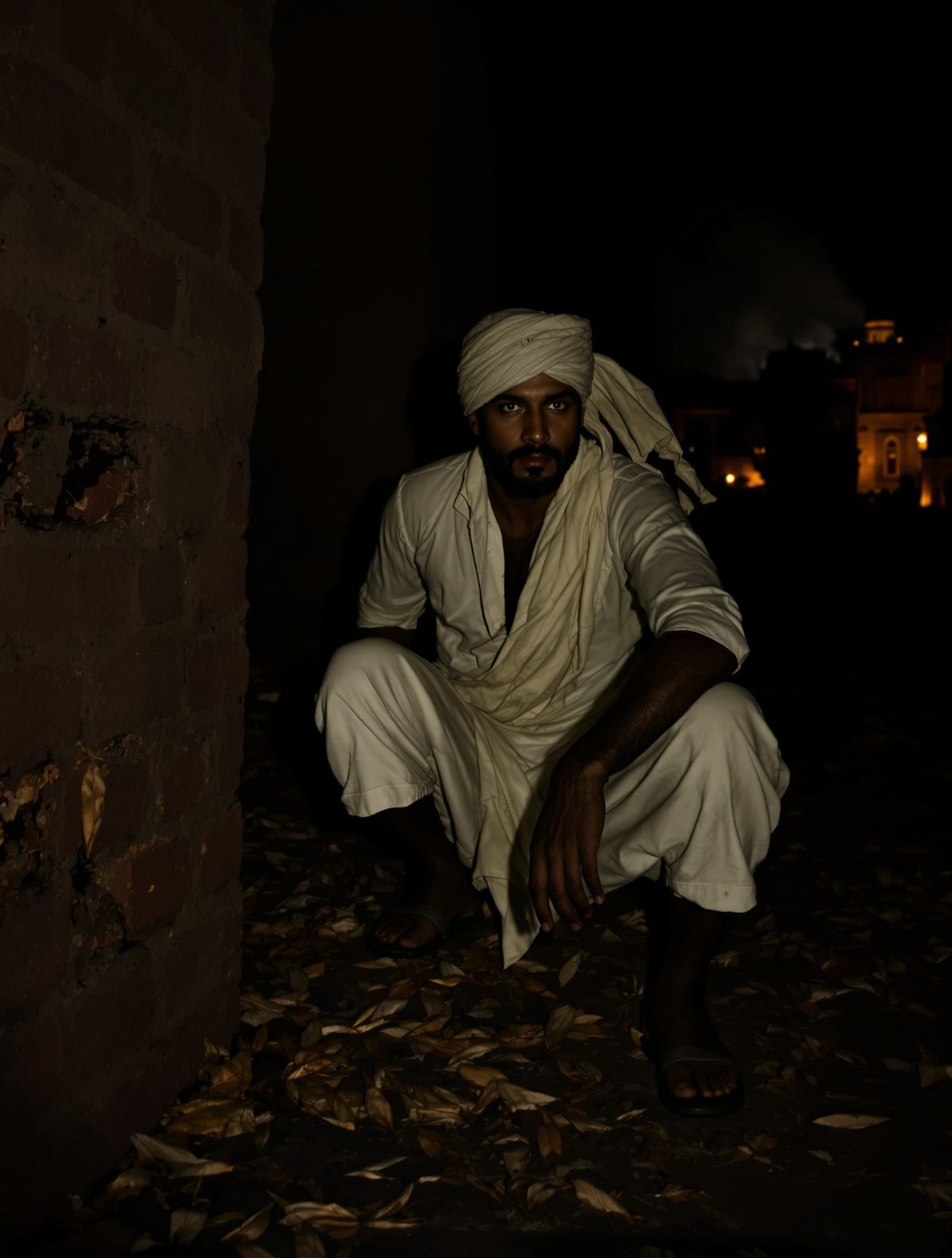
With the aid of local knowledge from his guide, Kunwar Singh, Kavanagh disguised himself as an Indian, darkening his skin with charcoal mixed with ghee and donning native attire. Armed only with a homemade sword and revolver hidden within his clothes, Kavanagh took to Lucknow's darkened streets under a silver moon, slipping past sentinels and sleepy patrols.
The distance to safety was 60 miles through enemy territory, a journey ridden with palpable danger and lurking death at every shadowed corner.
Navigating Peril: The Road to Relief
As Kavanagh navigated the labyrinthine alleys of Lucknow, every step was haunted by the imminence of discovery. Deceptively quiet streets could awaken with violence, with Kavanagh becoming another gruesome testament to betrayal.
Together, he and Singh bypassed rebel checkpoints, hidden from scrutiny under traditional garb. Tales tell of moments where a wrong turn or misjudged crossroad nearly led them into the hands of foes. In a remarkable twist of fortune, they encountered General Colin Campbell's relief column on November 13. It was Kavanagh's valiant gamble that led him to success, though not without having ridden tirelessly through oppressive heat and enemy suspicion.
History's Silent Heroine: The Relieved Residency
The news of Kavanagh's success drifted through the Residency like a cleansing breeze. On November 16, under Kavanagh’s guidance, Campbell’s seasoned forces navigated back into besieged Lucknow, and after grueling months, the fighting ended. It was a triumph of courage over calculated defeat, of endeavors spurred by despair.
Surprisingly, while Kavanagh became the first civilian to be awarded the Victoria Cross, the highest military honor of the British Empire, few recall the defining act that brought a siege to its knees. Instead, the names of commanding officers often precede his in history's annals.
The Lasting Legacy: From Lucknow to Today
What lessons should be drawn from this near-forgotten page in history?
The actions of Thomas Henry Kavanagh speak of the enduring human spirit and the ability to rise in resolve when faced with insurmountable odds. His story recalls a time when one man's courage against a backdrop of despair changed the course of many. While the sun has since set on the British Empire, its legacy, entangled with tales like Kavanagh’s, prompts reflection on the complex interplay between conquest and courage.
In today’s uncertain world, the stakes may differ, but the essence of one man's courage to move mountains remains an eternal truth, urging us to ask: In the face of great trials, who will be our Kavanagh?