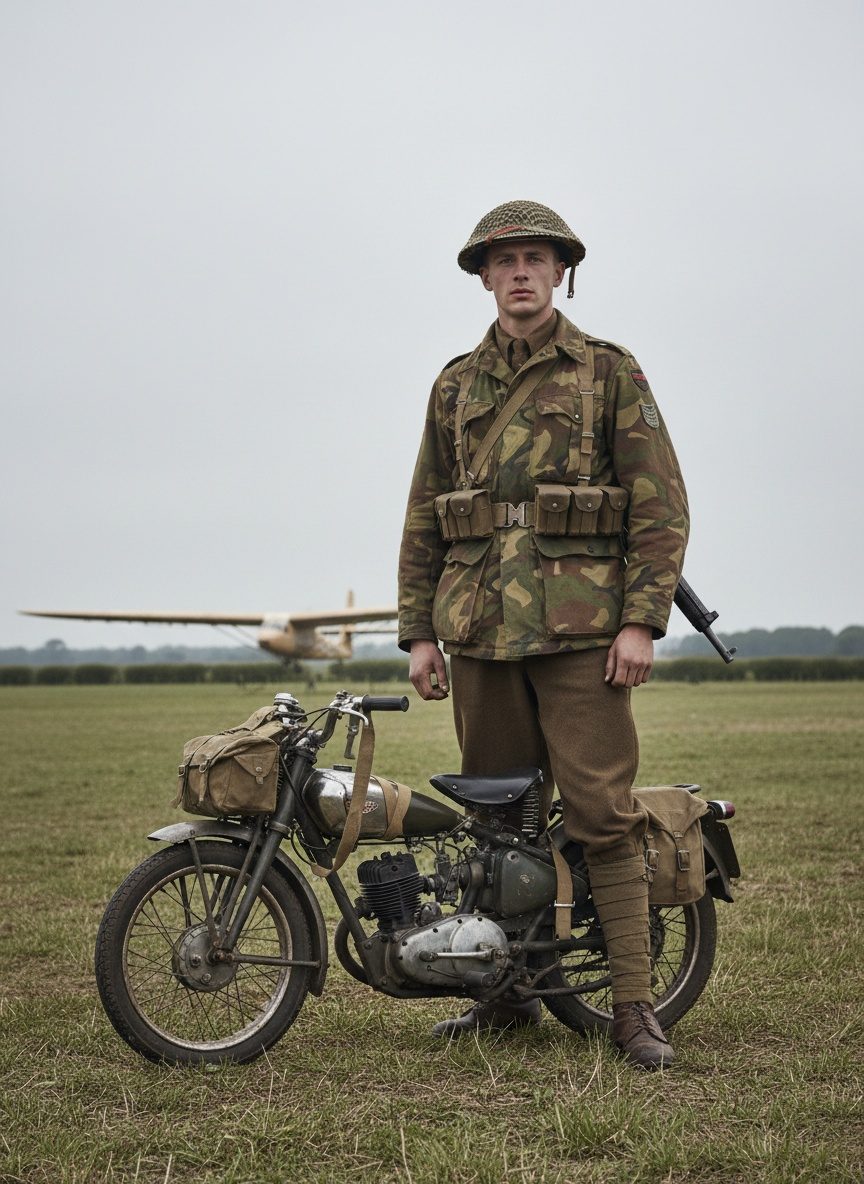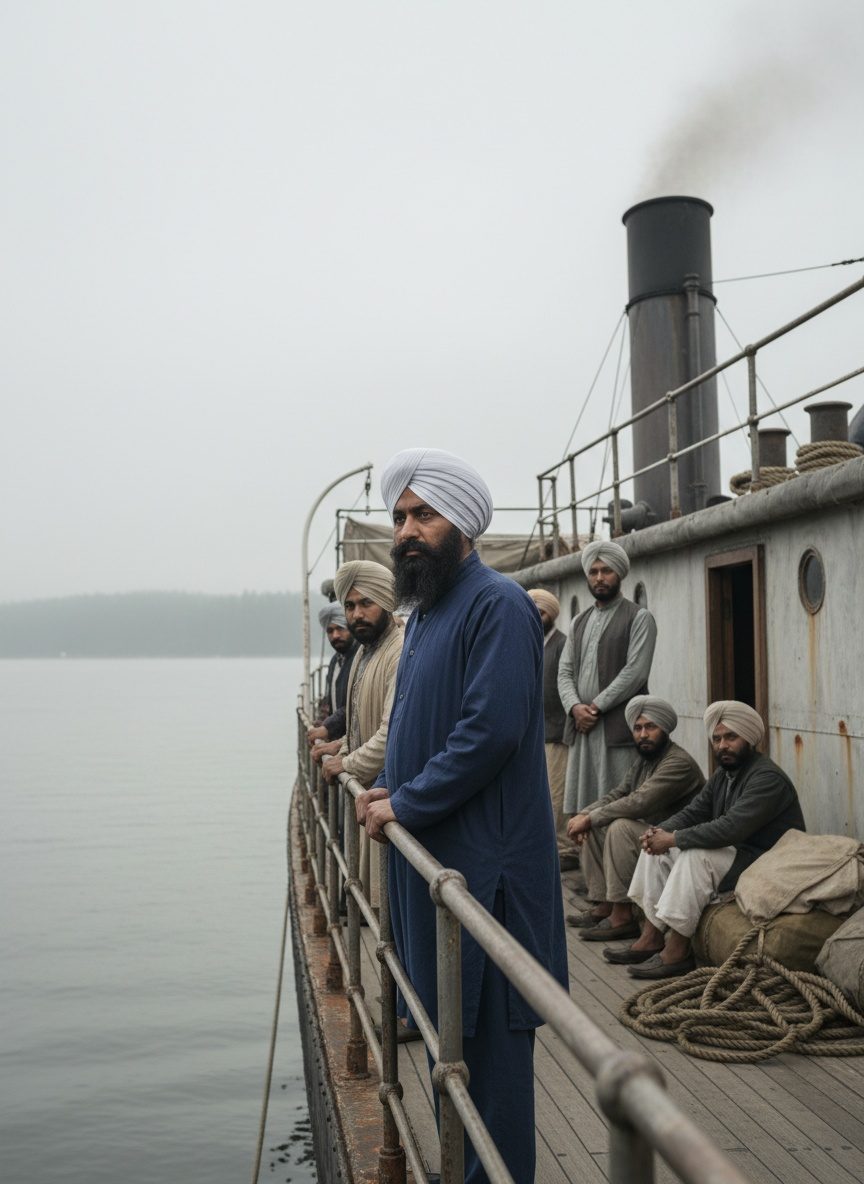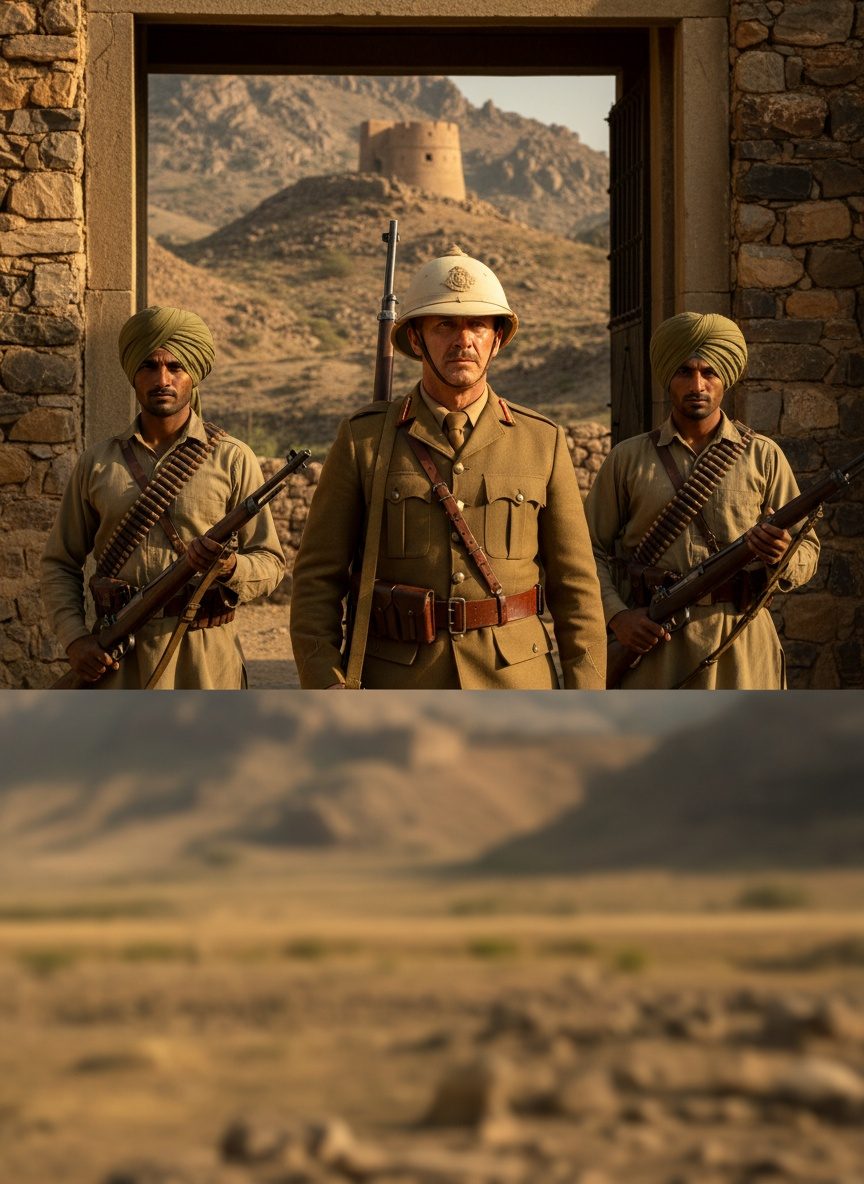
They called themselves "The Ghosts of the Frontier." Despite the grim moniker, no single shot made them flee. In this unforgiving terrain, lesser-known fighters managed to hold entire passes on their own terms.
Holding the World's Most Dangerous Border
Flanked by rugged mountains and riddled with narrow passes, the North-West Frontier of India was a place where geopolitics and guerrilla tactics converged perilously. It wasn't just a mere line on the map but a living, breathing entity fraught with layered danger. This tumultuous border demanded more than just the stiff formations and regimental precision of the British Indian Army. Instead, it found its guardians in a modest and mongrel force that one might overlook: the frontier constabulary. A unit unlike any other, they were a cavalcade of mixed tribals, ex-servicemen, and ardent volunteers, patched together with scarce resources and thin rations. They operated in loosely organized clusters—an antithesis to the large, orchestrated battalions of the British regulars. Their superpower? A deep understanding of the unforgiving terrain and its volatile inhabitants.
The Cost of Protecting Empire
The British Empire was a financial colossus, yet as expansive as it was, resources were finite and watching the company's coffers was an eternal concern. Here lay the genius of the frontier constabulary—supplementing imperial might without sapping its coffers dry. For every soldier manning a distant fort, there were multiple constables patrolling shadowed passes, each a cost-efficient sentry against tribal insurrection or foreign intrigue. Their strength lay not just in their foresight and familiarity with the terrain, but in their uncanny knack for diplomacy—with whispered words often halting the rivalrous fervor of feuding tribes. The constabulary served not only with guns and grit but also with compacts and alliances, stitching a veneer of stability along an ever-threatened edge of empire.
The Men Who Were More than Mere Soldiers
An eclectic group, the frontier constabulary were less about national identity and more about experience and expertise. These men were fluent in no less than half a dozen local dialects, and equally at home among treacherous ravines as they were in political palaver. They possessed the astuteness to interpret the tepid signs of tribal unrest long before it materialized into an uprising. In their coarse, sand-worn kits, they lived with the land and were legends among locals—known for turning the tides of skirmishes not with outright confrontation but through intelligence and infiltration. From meddling foreign spies to marauding gangs of horseback bandits, they thwarted one threat after another in what seemed a perpetual stalemate fought along the frontiers' jagged edges.
Still Standing Against Savage Storms
The frontier constabulary had an advantage so elemental it had vanished from larger military tactics—the wisdom of resonance with nature. Where regular troops saw only mountains to be crossed, these men saw natural bastions to be utilized. In an era where telegraphs took days and radio was yet to bridge the vast mountainscapes, their trust was in secret signals and encoded whispers traversing the night air. They rendered a hearty contradiction to sophisticated colonial hierarchies. Mirroring the unpredictability of the terrain they lorded over, their actions were as swift and enigmatic as the sudden southern winds that swept through the valleys.
Lessons Beyond Borders
Their tenure along the tumultuous frontier didn't merely mark time; it declared a different kind of dominion. These men proved that adaptable, lean units could outperform traditional forces, even within a grand empire. To the outside observer, the frontier appeared a landscape of simple skirmishes and negotiated ceasefires, but it offered more profound lessons in strategy, living within one's means, and capitalizing on local alliances. Perhaps more importantly, it showcased a tendril of resistance—one that would ripple through history to later inspire figures dreaming of self-determination. The frontier constabulary stood firm, not just as a line of defense but as an indelible reminder. In war and peace, it is sometimes the small, overlooked forces that wield the most formidable power.