June 1857. The sun beat mercilessly upon the city of Lucknow, casting long shadows across its bustling streets.
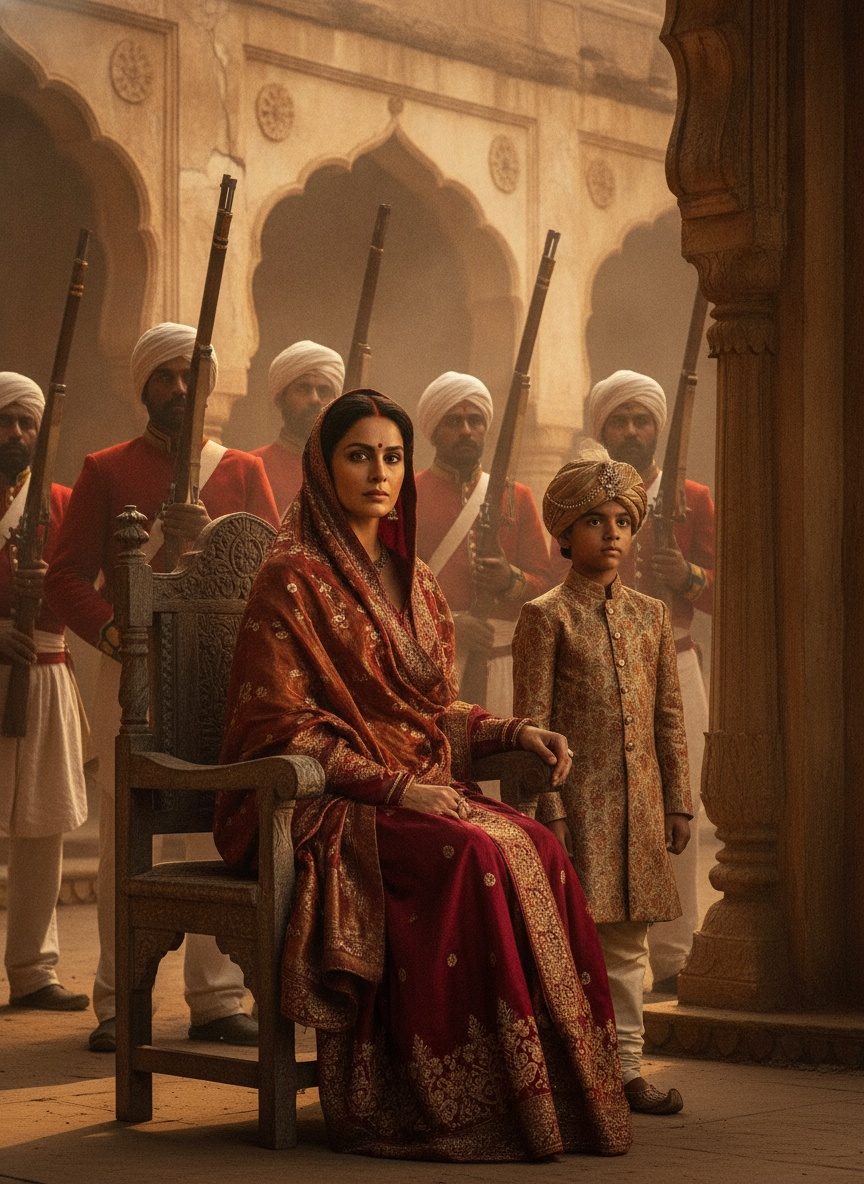
Amidst the haze rising from the sweltering heat, a figure emerged who would defy the relentless tide of colonialism: Begum Hazrat Mahal, the erstwhile queen of Oudh. Stripped not just of her title but of her homeland, she found herself thrust into the role of a leader in revolt — an astonishing metamorphosis steered by necessity and an unyielding will.
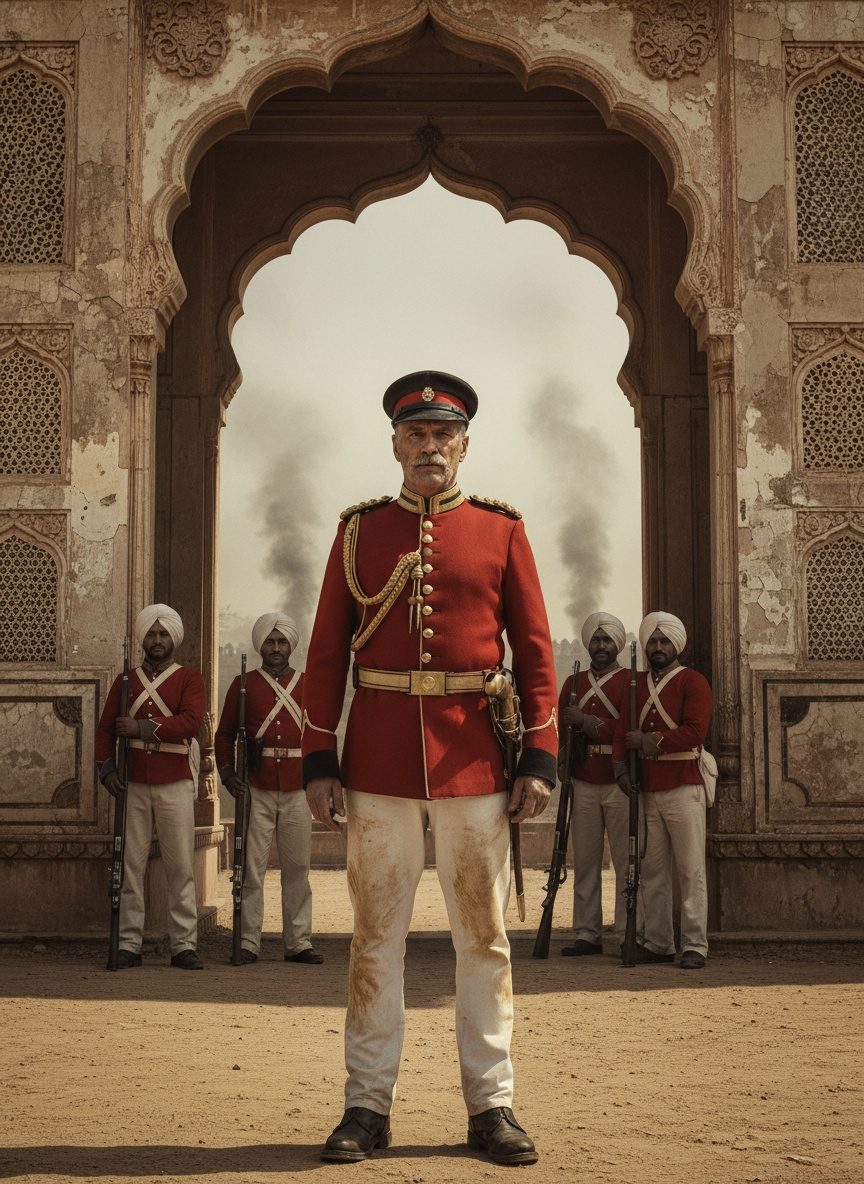
It was on the dusty plains of northern India that the British East India Company had exercised its ever-tightening grip. By the mid-19th century, the company had metamorphosed into an imperial juggernaut. The annexation of Oudh in 1856 was engineered under the guise of administrative efficiency, a thinly veiled pretext. It left the kingdom's last Nawab, her husband Wajid Ali Shah, dethroned and powerless, exiled to Calcutta under the harsh constraints of British supremacy. The annexation was swift and clinical, but the burgeoning resentment it sowed would ferment into an uprising of seismic proportions.
In an era where women were largely confined behind veils, Hazrat Mahal stepped into the glaring heat of political resistance. This was more than the stirrings of familial loyalty; it was the rise of a warrior queen unwilling to capitulate. Amid the rumblings of what the British would later term the "Sepoy Mutiny," Hazrat Mahal began to muster her forces and set her sights on claiming Lucknow from the clutches of the invaders.
The siege of Lucknow became a focal point in the uprising of 1857. Lucknow, with its labyrinthine streets and opulent palaces, was more than a mere contested territory. It was an embodiment of Oudh's heart and history, its nawabi culture etched into every courtyard and minaret. Through a combination of ingenuity and indomitable spirit, Hazrat Mahal transformed Lucknow into a formidable bastion of rebellion. It was here, in this fortified cityscape, that she would refuse the imperial narrative of submission.
Armed with more than just fervor, her sense of strategy became legendary. From behind the intricately carved jharokhas of her haveli, she orchestrated defenses with a keen intellect. Her ability to motivate and command a diverse force was unparalleled; soldiers followed her lead with unwavering loyalty, eager to reclaim their honor and homeland from foreign hands. Her son, a young figurehead of legitimacy, stood beside her — a living symbol carried before troops to rally the heartland’s spirit beneath the blazing Indian sun.
British accounts dehumanized the rebellion, branding it as disorderly — but within the sepoy ranks, and among the peasants, landlords, and nobility who joined the cause, there was the recognition of a unifying struggle. Villages and towns across northern India became echo chambers of revolt, amplifying Hazrat Mahal’s clarion call. Embodying resistance, she was the architect of audacious raids and staunch defenses that bloodied the company’s hands and stained its pride.
Yet the price exacted in flames and ruin came at a terrible cost. The onrush of British reinforcements was relentless. Ailing from superior weaponry and resources, the defenders saw their stronghold encircled. The clangor of fighting filled the days, while nights swelled with toil — trenches were dug, barricades fortified, and hearts steeled for battles yet to come.
The imperial assault crescendoed with the retaking of Lucknow by the British, an event characterized by ruthless force and blazing artillery barrages. These final, desperate days tested the very core of Hazrat Mahal’s resolve. Her defiance could only bend so far before the flood of British might. Defeated but not diminished, she withdrew into the surrounding rural tapestry of Oudh, continuing to rally support long after Lucknow had fallen.
As she wielded her improbable power from the fringes of the conquered, Hazrat Mahal persisted as a specter who haunted the imperial conscience. While many among the dispossessed and disillusioned fell into obscurity, she refused to be relegated to history's shadowy margins. There was timelessness in her refusal to yield, an undying flame against the dark backdrop of imperial dominion.
To Western victors, she was reduced to the footnotes of rebellion, her story marginalized. Yet within India, she remains a beacon of resistance, a courage that defied convention and a narrative that soared above imposed silence. Her struggle was not merely for a throne or territory but for identity itself, battling the narrative of submission that colonizers sought to impose upon an ancient land rich with its own legacy of queens and warriors.
In the tapestry of India's long fight for independence, Hazrat Mahal occupies a place of indomitable resilience. Her spirit is woven into the annals, reminding us that history is not solely composed of victors but of those who stand against overwhelming odds. She bids us to remember the legends they left out, to listen for the echoes of resistance that sometimes are only heard between the lines of history's grand designs.