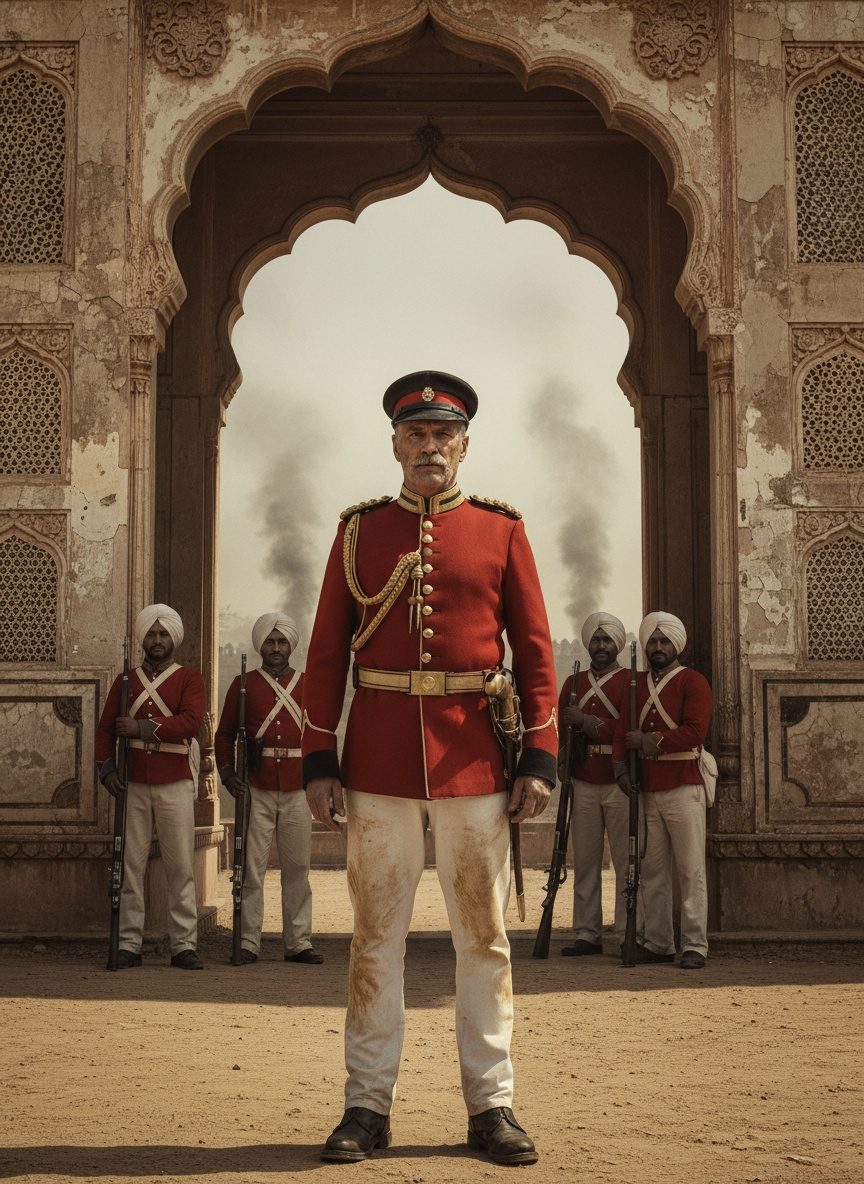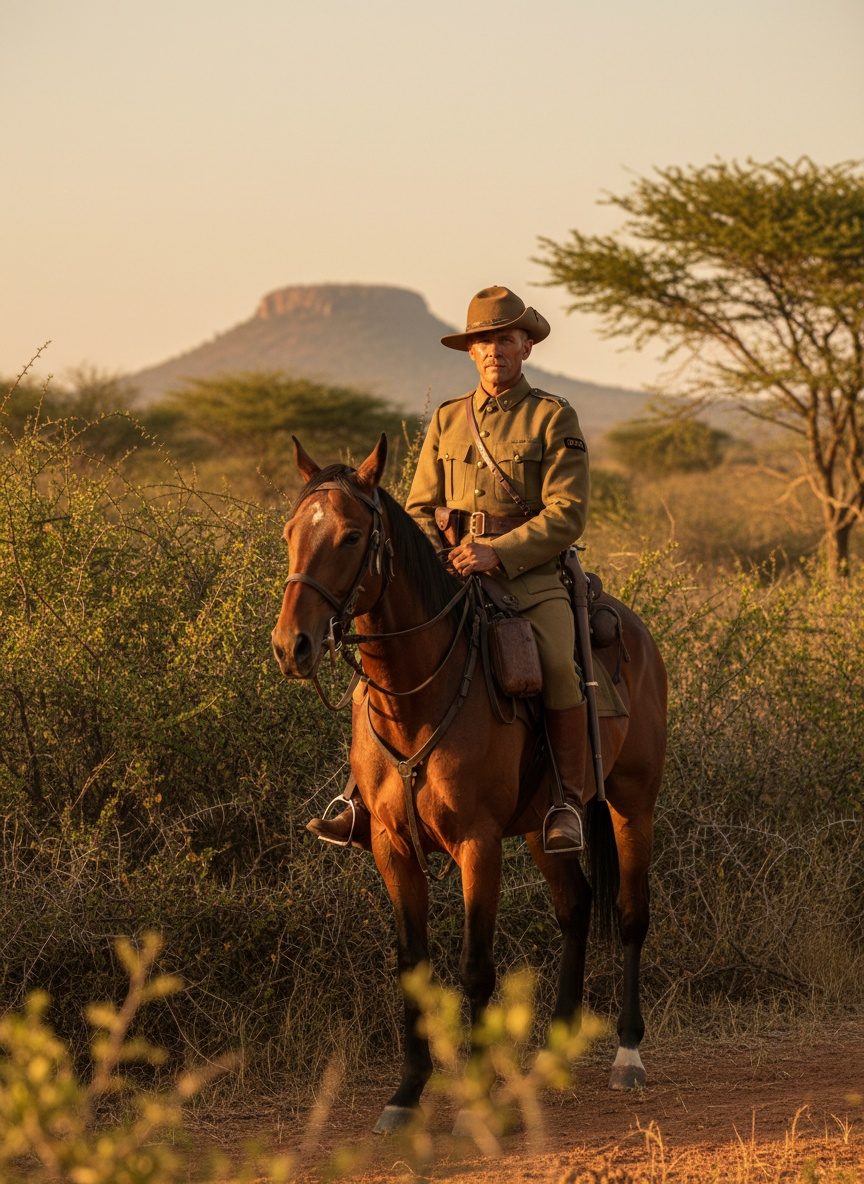
July 15, 1902. The dust rose into a sun-baked haze over the savannah.
The Birth of a Different Kind of Regiment
In the late 19th century, the British Empire was a formidable global power. Yet, much of its rigorously trained military personnel found themselves tethered by bureaucracy, protocol, and hierarchy. The men who formed the British South Africa Police (BSAP) were a different breed entirely. Founded in 1889 and sent to police the vast, rugged territories of Rhodesia, they were adventurers, explorers, and sometimes outlaws who sought something rawer than the crowded streets of London could offer.
At the heart of their mission was the drive to bring order to a territory sprawling over what would become modern-day Zimbabwe and Zambia—lands that were as untamed as they were promising. But unlike the famously regimented British Army, the BSAP operated in a world where improvisation was as crucial as discipline. To police a territory the size of France, these men adopted a mode of operation that was dramatically different from back home.
Mounted on horseback, equipped with little more than rifles and steely resolve, the BSAP officers engaged in their duties with verve and vigor unbecoming of traditional redcoats. They faced the fierce resistance of indigenous populations and the harsh, often unfathomable, conditions of the African bush. There was no road map, no lines of supply; they learned to live off the land, guided by sheer instinct and the occasional local guide who allied themselves with the colonial officers for varying reasons—be it allegiance or necessity.
Their achievements were as varied as the challenges they faced. Whether it was chasing raiders through thorn-strewn scrublands or engaging in skirmishes against rebellious chiefs, the men of the BSAP were driven by an indefinable code of ruggedness. Their stories, rarely mentioned in mainstream history books, paint a picture of colonial policing that was as much about survival as it was about law and order.
From the Saddle in Uncharted Lands
The BSAP was more than a mere police force; it was a unit crafted for an environment that defied the ordinary. Known for patrolling vast areas that conventional forces would find insurmountable, their expertise lay in their mobility. These men would cover distances unimaginable to foot patrols. Mounted with only a vague notion of terrain and a smattering of intel, they braved the bush armed with an uncanny understanding of the land.
Operating alone or in small contingents, the BSAP moved with a freedom unavailable in European theatres. Their adventures, sometimes as wild as the comic book tales of heroes, were underpinned by a reality that would astonish today's armchair historians. The thornbush lands of what would become Zimbabwe were often marked by encounters with wildlife far more threatening than any human adversary.
Their tasks ranged from combating cattle rustlers to intersecting tribes in rebellion against newly imposed colonial rule. Without GPS or telecommunication, their network was one of basic human instinct and hard-earned experience. They became adept at reading the signs: bent grass, a scarred rock, or the distant smoke that signaled a village that had been disrupted. Each officer, in pursuit of maintaining the Pax Britannica, was a law unto himself, negotiating peace through parleys under the shade of acacias or negotiating justice with the crack of a .303 rifle shot.
But theirs was also a world where laws needed to flex, where every confrontation, whether with colonial resisters or the elements, required cunning over sheer force—a strategy that often defined the survival of the fittest in the unforgiving terrains of Southern Africa.
The Legacy Beyond the Thornbush
From 1890 to 1940, the BSAP stood as an island of British imperialism surrounded by seismic cultural and technological changes. Yet their true hallmark was more than enforcing British rule; it was shaping a profound heritage in Rhodesia, a kingdom of contradictions where imperial zeal met local survival strategies.
Ironically, as political climates shifted, so did the public image of the BSAP. What had once been lauded as the vanguard of British toughness gradually morphed into something more controversial. Here lay a story not only about rigid colonial enforcement but also the complexities of the colonial past that required understanding. Indigenous cultures that intersected with BSAP's diverse operations gave rise to relations that straddled alliances and animosities alike.
This tale of horsemen lost to history is not one of mere conquests, but one that asks us to consider the essence of humanity in conflict. How could bands of men riding through unforgiving miles, functioning both as protectors and threats, come to represent a story seldom told? Empire Untold seeks to unearth those tales that linger in the fringes of what we understand about colonialism’s past and impact.
Even today, the legacy of the BSAP remains a matter of introspection. It speaks of human resilience and, at times, overreach. In commemorating their endeavors, we also acknowledge the myriad ways in which history is not black-and-white but replete with hues formed in the chaotic interplay of ambition, resistance, and survival. It forces us to consider not only the myths and truths of imperial might but our ongoing relations with lands and peoples reshaped by those very myths. It makes one wonder, what will we ride into next? And will we know when to look back?