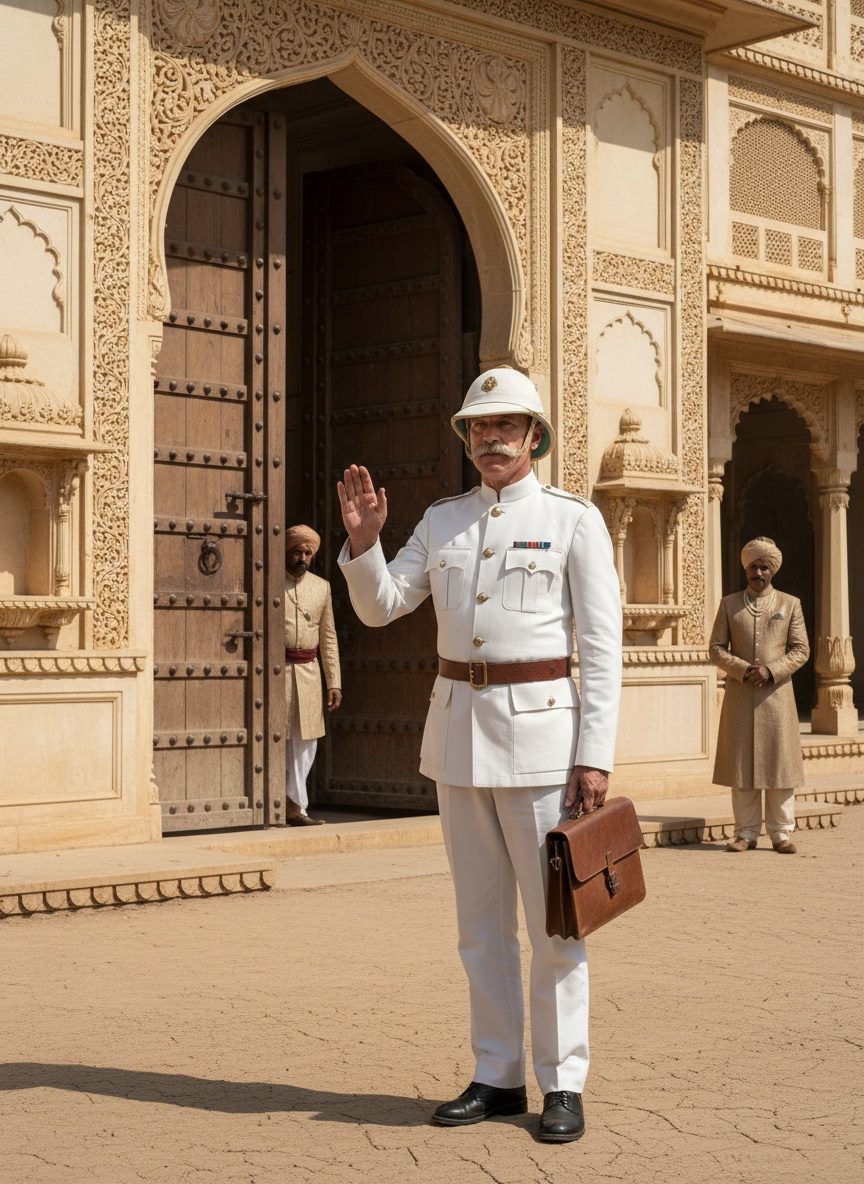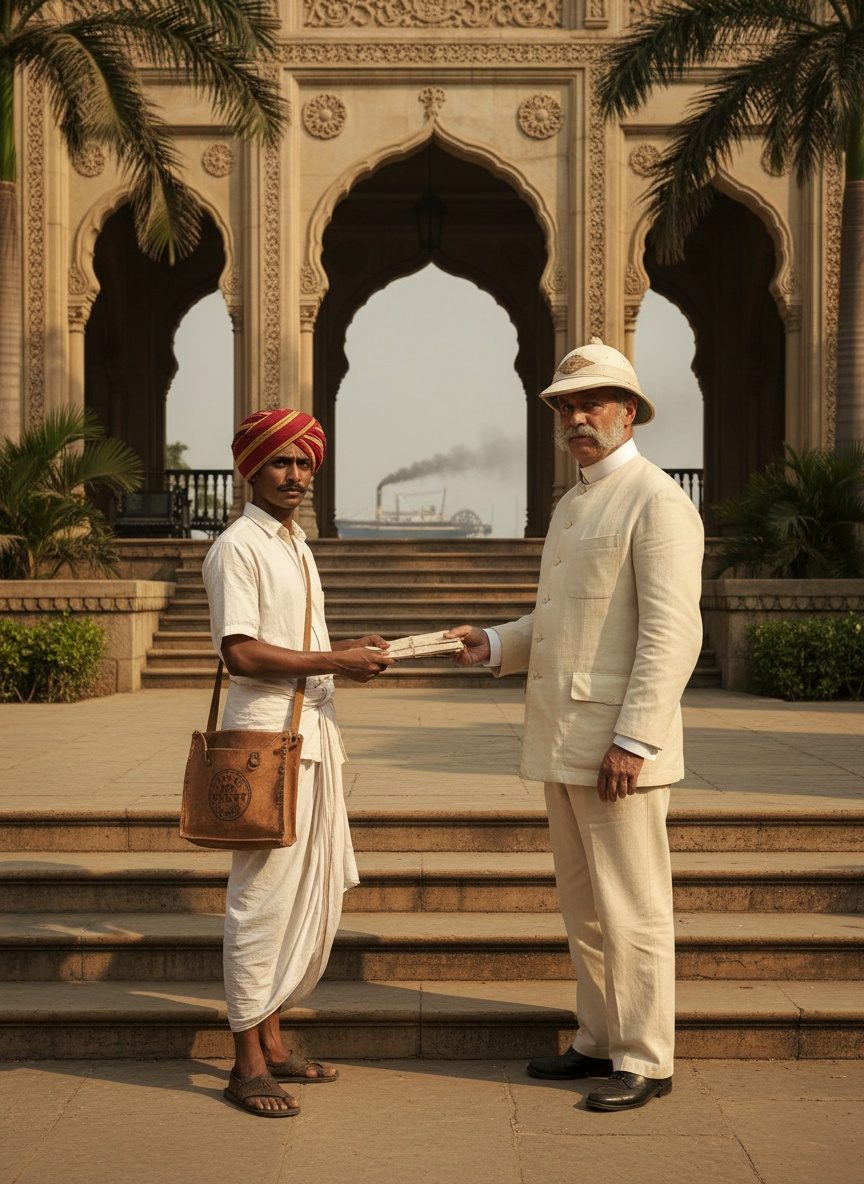
1866. The scent of salt hung thick in the Bombay air, blending with the exotic spices that defined the sprawling city.
The Birth of a Communication Revolution
In the labyrinthine alleys of London, few innovations had implications quite as profound as Rowland Hill's Penny Post. It began humbly enough, a simple notion that a single penny stamp could democratize communication across vast stretches of land and sea. By the mid-19th century, this concept had fundamentally reshaped interpersonal connectivity, both in Britain and its sprawling Empire.
The audacious idea became practical reality as a letter posted in the throbbing financial nerve center of Threadneedle Street could reach the far reaches of Bombay in merely thirty days. This was not just a triumph of logistics and engineering — it was the victorious conquest of distance itself. In 1840, when Hill implemented the uniform postal rates, few could have foreseen the speed at which this network would grow, tentacling its way across continents and oceans, and drawing disparate cultures and peoples into a closer-knit fabric.
Railways, Steamers, and Runners: The Routes of Empire
Facilitating such an extensive postal service required remarkable ingenuity and infrastructure. The railways, which were a relatively novel feature of the era, played their part in this stunning intercontinental ballet, ferrying sacks of correspondence across Great Britain's verdant countryside to ports bustling with commerce and adventure.
Steamers, the brawny workhorses of imperial logistics, cut through the ocean waves like arrows, linking continents with the precision of a Swiss watch. They transformed long, arduous voyages into predictable, if still lengthy, passages. Upon reaching the coasts of the Indian subcontinent, the mail was deftly transferred into the hands of steadfast runners, who — despite the searing sun and torrential rains — navigated the rugged terrains and bustling cities to ensure that each letter reached its intended address.
The Rebirth of the Indian Post Office
After the dust of the Indian Mutiny had settled, the British Empire took considerable steps to stamp its authority and improve administrative efficiency across its territories. One such venture was the comprehensive restructuring of the Indian Post Office, an expansive operation which had become the largest postal network on earth by 1866.
Hill's Penny Post model offered the perfect blueprint. The old, unwieldy system was meticulously dismantled and rebuilt in Hill's image, emphasizing speed, reliability, and accessibility. This transformation was not merely administrative; it was emblematic of a new age where information could travel as freely as the empire's ambition.
The Human Element of a Vast Machine
Amidst the relentless march of progress, it was the individuals — the invisible cogs within the intricate postal machinery — who truly carried the system's weight. From the clerks who painstakingly sorted the endless reams of newspapers, letters, and parcels to the stalwart sailors guiding vessels through treacherous seas, each played an indispensable role.
In Bombay, postmen on bicycles or foot weaved through the swarm of ox carts and bustling marketplaces, delivering news from home to officers, merchants, and expatriates longing for a connection to their distant homeland. Every missive, to them, was more than ink on paper; it was a whisper of familiarity, a reminder of the world beyond their immediate horizon.
The Empire's Temporal Triumph
Rowland Hill's Penny Post did more than carve a practical path for the written word across continents — it connected lives in unanticipated ways, reducing the world to a more navigable size. Brown-papered packets and ink-stained envelopes became vital threads weaving together the complex tapestry of the British Empire, connecting its constituency not just physically, but emotionally and politically.
The promise of the Penny Post lay not in its efficiency or reach, impressive as those were, but in its profound human impact: the newfound ability to share ideas, emotions, instructions, and intimacies across swaths of the globe. It was a taste of global community before the term was common currency, quietly echoing across realms both colonial and indigenous. Distance was not dead, perhaps, but it had been effectively subdued, curating the first early notes of our interconnected planet's present-day symphony.